Yes, massage may help you sleep, particularly when poor sleep is linked to stress, muscle tension or pain. A 2024 systematic review and meta-analysis of 23 randomised controlled trials involving 1,780 people with insomnia found that tuina, a form of therapeutic Chinese massage, improved sleep-quality scores. However, the researchers noted the evidence has limitations and that massage is less likely to help with underlying sleep disorders.
Key Takeaways
- Massage may support better sleep, especially when stress, muscle tension or pain are contributing to poor sleep.
- Research suggests potential benefits, although evidence varies by massage technique and study, and it should not be considered a treatment for sleep disorders.
- A gentle massage 30 minutes before bed may help you wind down.
- Self-massage of the neck, shoulders, temples and feet can provide a simple way to melt tension as part of an evening routine.
- A massage chair can support a calming pre-bed ritual through gentle massage, reclining and optional heat.
Does Massage Actually Help You Sleep?
Yes, massage may help improve sleep, especially when poor sleep is linked to stress, muscle tension or pain. However, its benefits may be less pronounced when sleep problems are caused by an underlying sleep disorder, as a massage for sleep does not directly address conditions such as sleep apnoea or chronic insomnia.
What Does the Research Say About Massage and Insomnia?
Does massage help you sleep? Research suggests massage may support better sleep, although evidence varies on the type of massage and the people studied.
A 2024 review published in Frontiers in Neurology examined 23 randomised controlled trials involving 1,780 people with insomnia, which focused specifically on administering tuina, a traditional Chinese massage that uses techniques such as pressing, kneading and stretching. It found that tuina was linked to an average 2.34-point improvement in Pittsburgh Sleep Quality Index (PSQI) scores compared with control or other treatments, suggesting a potential benefit for sleep quality. The study noted that the available evidence has limitations, however.
Tuina for insomnia has certain therapeutic advantages and can significantly improve sleep quality […]” Frontiers in Neurology, 2024.
More recent research has also examined relaxation massage directly. In a 2025 Healthcare (Basel) randomised study of 20 people with symptoms of chronic insomnia, a 45-minute relaxation massage before bed was associated with improved sleep efficiency compared with the study’s other conditions. However, because the study included only 20 participants, these findings are promising but still preliminary, and do not establish massage for insomnia as a treatment.
Why Do You Sleep Better After a Massage?
A massage may make it easier to settle into sleep by influencing several of the factors that can keep the body feeling alert or uncomfortable at night.
Do you sleep better after a massage? Research has explored its effects on cortisol, a hormone involved in the stress response; serotonin, a neurotransmitter involved in mood and sleep regulation; and muscle tension, where massage may make physical relaxation more comfortable.
- Cortisol: Massage may reduce cortisol levels, potentially easing some of the physiological effects of stress. When the body feels less tense and alert, it may be easier to transition into a restful state.
- Serotonin: Some research suggests massage may influence serotonin levels. As serotonin plays a role in mood and the body's sleep-wake processes, changes in this neurotransmitter may contribute to feelings of calm and relaxation.
- Muscle Tension: Tight, uncomfortable muscles in areas such as the neck, shoulders or lower back can make it harder to prepare for restful sleep. Massage uses pressure and movement to relax soft tissue and release some of this tension, potentially creating a more comfortable state for sleep.
Note: As the evidence is not equally strong across all three areas, massage should not be viewed as a direct treatment for sleep disorders.
Which Type of Massage Is Best for Sleep?
Depending on your needs and lifestyle, the best massage for sleep for you may differ. Explore some of the massage types below.
| Type | How It Feels | Best For | When to Have It |
|---|---|---|---|
| Swedish & Relaxation Massage | Gentle to moderate pressure, flowing strokes and a soothing, unhurried rhythm | Stress, general tension and winding down | Late afternoon or evening When you have time to relax afterwards |
| Deep Tissue & Sports Massage | Firmer, more targeted pressure focused on areas of tightness or muscular discomfort | Persistent muscle tension, soreness and recovery | Earlier in the day May depend on whether the treatment tends to leave you feeling tender or energised |
| Acupressure & Shiatsu | Rhythmic pressure applied to specific points, often through clothing May feel focused and therapeutic | Tension, relaxation and a calming bedtime ritual | Afternoon or evening May depend on how your body responds |
Swedish and Relaxation Massage
Swedish and relaxation massage are gentle, flowing treatments designed to encourage the body to slow down and release everyday tension. Long, rhythmic strokes and light-to-moderate pressure can create a deeply calming experience, making this style a natural choice for massage for stress and anxiety.
Rather than focusing on one area, the treatment typically works across the body to promote an overall sense of ease. Helpful Hint: For an evening treatment, allowing some quiet time afterwards may help you maintain a relaxed feeling going into bedtime.
Deep Tissue and Sports Massage
Deep tissue and sports massage use firmer, more focused techniques to address areas of muscular tightness, soreness and physical strain. If aches or tension persist at night, releasing some of this physical discomfort may make rest feel more attainable. These treatments are generally more intensive than a relaxation massage, however, and some people may experience temporary tenderness afterwards.
Helpful Hint: An earlier appointment in the day may be preferable to a treatment immediately before bed, as deep tissue and sports massages are more focused on addressing physical discomfort that may interfere with sleep, rather than as a direct treatment for insomnia.
Acupressure and Shiatsu
Acupressure and Shiatsu use deliberate pressure at specific points on the body, creating a more focused and therapeutic experience than a traditional relaxation massage. Shiatsu is traditionally performed through clothing and combines pressure with stretching and rhythmic movements. Some research has explored both approaches in relation to sleep, with findings suggesting potential benefits, although the evidence varies in quality and does not establish either technique as a treatment for sleep disorders. Deepen your understanding of the differences between these massages with Shiatsu and acupressure explained.
Helpful Hint: If tension or a busy mind makes it hard to decompress in the evenings, a slower-paced massage with focused pressure can be a soothing addition to your bedtime regimen.
Where Should You Massage to Help You Sleep?
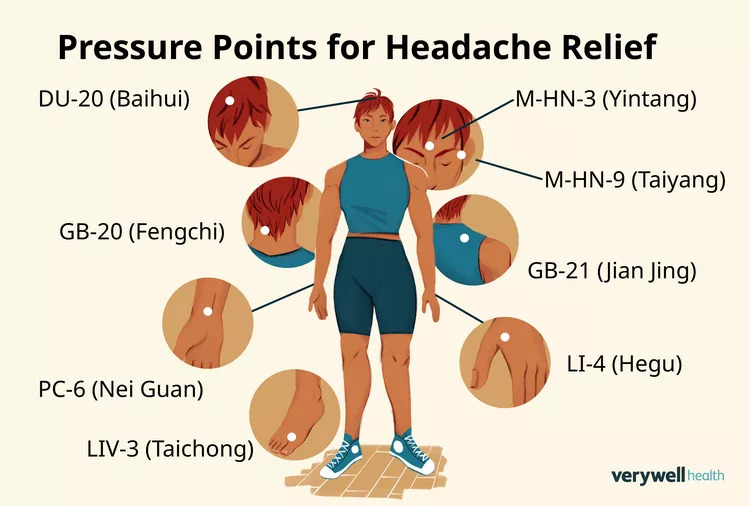
A few minutes of gentle self-massage may help release areas where tension tends to accumulate before bed. Wondering where to massage to induce sleep? Your neck and shoulders, head and temples, and feet are manageable to reach yourself. Try the following techniques using a comfortable pressure and slow, controlled movements.
Neck and Shoulders
Focus on the muscles across the tops of your shoulders and the sides and back of your neck.
- Hand Position: Place your fingertips or palms on the tops of your shoulders, keeping your shoulders relaxed.
- Direction: Slowly sweep from the base of your neck outward towards your shoulders, then return to the starting position.
- Pressure: Use light to moderate pressure that feels soothing, while avoiding the front of the neck.
- Duration: Repeat for 2–3 minutes, then switch sides or use both hands together.
Head and Temples
A gentle massage around the temples, forehead and scalp can be a calming addition to a pre-bed routine if you carry tension in your face or head.
- Hand Position: Place your fingertips lightly on your temples, with your remaining fingers resting along your forehead or scalp.
- Direction: Make slow, small circular movements around the temples, then move your fingertips across the forehead and into the scalp.
- Pressure: Use light pressure around the temples and forehead.
- Duration: Continue for 1–2 minutes, breathing slowly and allowing your jaw and facial muscles to relax.
Feet
Massaging your feet can provide a simple way to shift your focus away from the day's activity and towards relaxation.
- Hand Position: Hold one foot with both hands, placing your thumbs on the sole and your fingers around the top of the foot.
- Direction: Glide your thumbs from the heel towards the toes, then make slow circular movements across the arch and ball of the foot.
- Pressure: Start with light pressure and gradually increase to a comfortable, soothing level.
- Duration: Massage each foot for 2–3 minutes, finishing with several slow strokes from the heel towards the toes.
When Is the Best Time to Massage Before Bed?
For most people, aim to finish your massage around 30 minutes before bedtime. This gives your body time to flow from the massage into a more relaxed state without making the habit feel rushed. Keep the massage gentle and unhurried, then move straight into other calming bedtime habits such as dimming the lights, reading or practising slow breathing.
Helpful Hint: If you find that massage leaves you feeling energised rather than relaxed, try moving it earlier in the evening instead and consider massage chairs for home use as part of your evening relaxation routine.
What Else Causes Poor Sleep?
If massage and a calming bedtime are not improving your sleep, another factor may be the reason.
Common causes of poor sleep include:
- Stress, Anxiety or Worry: The cycle of worrying and ruminating can lead to heightened anxiety and difficulty in unwinding.
- Caffeine, Nicotine or Alcohol: Caffeine and nicotine are stimulants that can keep the body alert and delay sleep. Because caffeine can stay in your system for several hours, even an afternoon coffee may still affect you at night.
- Alcohol is different: it may help you drift off at first, but it often disrupts sleep later in the night. Late or Heavy Meals: Eating a large meal close to bedtime can cause digestive discomfort that makes it harder to settle.
- An Uncomfortable Sleep Environment: Noise, light or a room that is too hot or cold can cause disruption, as the body relies on a consistent, slightly cool environment to maintain deep sleep.
- Irregular Routines: Shift work, jet lag, using electronic devices before bedtime, or changing sleep times can affect your body clock and clash with your need to regulate your circadian rhythm.
- Pain, Physical Discomfort or Poor Posture: These can make it difficult to settle or stay asleep, as the head, neck and spine need to be properly aligned.
- Sleep Disorders or Health Conditions: Sleep apnoea, restless legs syndrome and menopause can also affect sleep.
Understanding the underlying causes of poor sleep can help you implement effective solutions. For persistent sleep problems, visit the NHS guide to insomnia for further information on possible causes, self-care and when to speak to a GP.
Can a Massage Chair Help You Sleep?
A massage chair may help you wind down before bed by combining massage with a comfortable reclined position and heating, with some models classified as zero gravity massage chairs. An evening or relaxation programme can be a convenient way to create a consistent pre-bed ritual, while reclining help your body to settle rather than remaining upright and active. Gentle heat may add another layer of comfort when muscle tension is contributing to restlessness.
Helpful Hint: For the best experience, keep the session soothing rather than intense before approaching bedtime.
Do:
- Choose a gentle evening or relaxation programme rather than an intense massage.
- Use the recline function or zero gravity to find a comfortable, supported position.
- Try moderately heated massage chairs if it feels soothing and comfortable.
- Finish your session around 30 minutes before bed to leave time to wind down.
Do Not:
- Use the most intense setting immediately before bed if it leaves you feeling stimulated or tender.
- Use heat if you find it uncomfortable or overly warm.
- Treat a massage chair as a replacement for professional advice if sleep problems are persistent.
When to See a GP About Your Sleep
Speak to your general practitioner if:
- Poor sleep quality lasts for more than four weeks or is regularly affecting your daily life.
- You snore loudly and feel excessively sleepy during the day, which can be associated with sleep apnea.
- You regularly fall asleep during the day when you do not intend to.
- Low mood occurs alongside ongoing poor sleep or changes in your usual sleep pattern.
Ready to Build a Wind-Down Routine?
A consistent wind-down routine can signal to your body and mind that it is time to slow down. If you enjoy massage as part of your evening ritual, browse our massage chairs as a convenient way to bring soothing massage, recline and heat into your pre-bed routine, without needing to leave home.