
Amid the pace of modern living, finding moments of stillness has become a luxury in itself, with studies suggesting that a significant proportion of adults regularly experience high levels of stress*.
One way to counteract the effects of stress: tension-reducing massage. Massage provides a refined wellness experience that invites the body to unwind, offering a sense of calm, comfort and restoration.
Read on to understand the link between massage and stress relief, find ways to support emotional well-being, and learn why it has become an increasingly valued part of self-care rituals.
Key Takeaways
- Massage offers more than relaxation; it creates an opportunity to restore balance between body and mind.
- By supporting the nervous system’s relaxation response, massage may help ease the physical and emotional effects of stress.
- A personalised massage routine can support everyday wellbeing, from improved rest to a greater sense of calm.
- Choosing the right massage approach allows for a more tailored experience, aligned with individual needs and preferences.
- At-home massage solutions provide accessible relaxation, helping create consistent moments of calm within a modern wellness routine.
Can Massage Really Help With Stress and Anxiety?
Massage can play a valuable role in supporting relaxation and emotional wellbeing. Through intentional touch and focused techniques, massage may help encourage a calmer state of mind while easing the physical tension usually associated with stress. As part of a holistic self-care routine, it offers a considered approach to reconnecting with balance in everyday life.
Although it is not a replacement for professional mental health support, stress massage is a complementary wellness practice that helps create moments of physical harmonisation and emotional stabilisation.
What Stress and Anxiety Do to Your Body
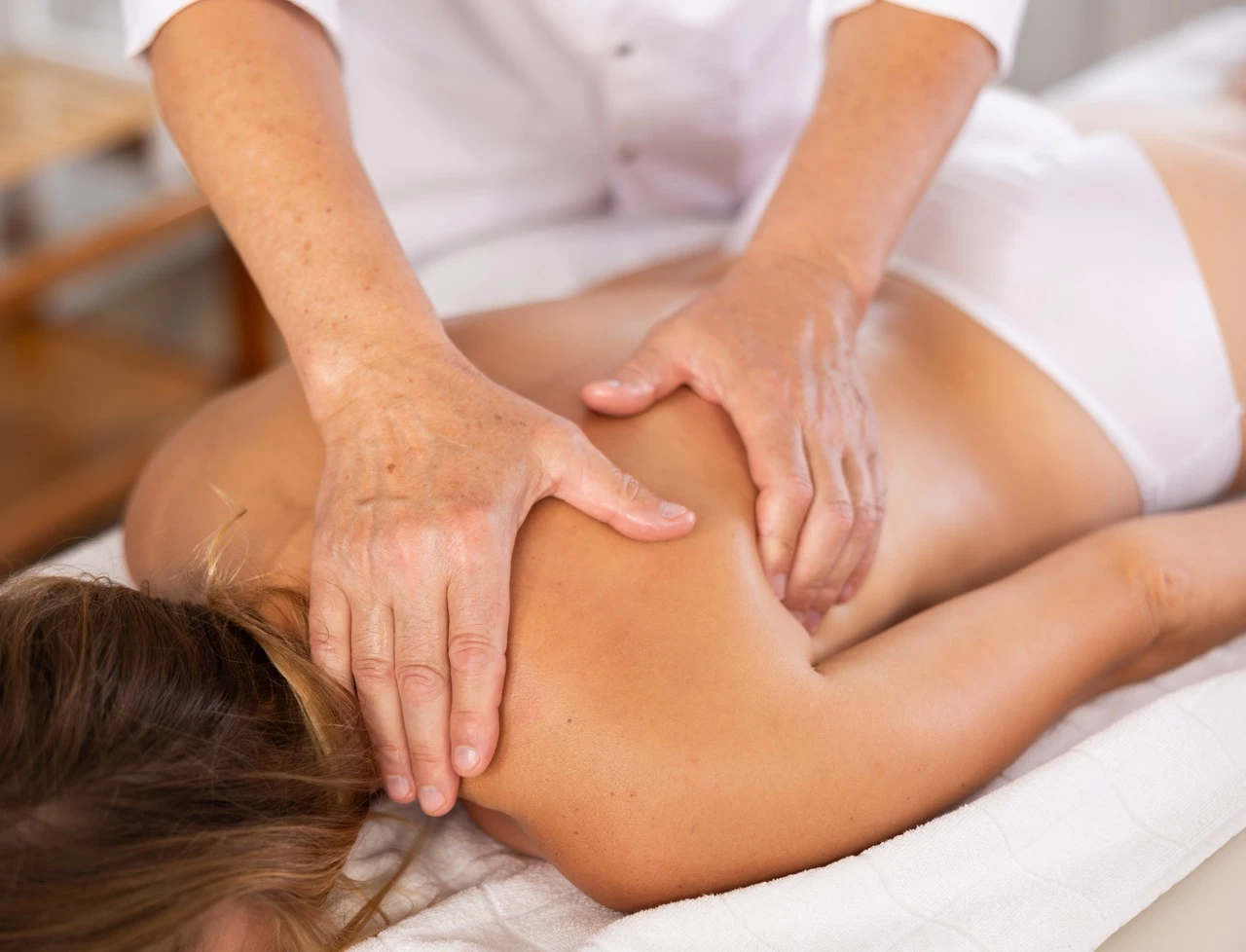
Stress and anxiety are not only emotional experiences, but they also physically manifest within the body.
When the nervous system remains in a heightened state for prolonged periods, it can contribute to muscle tension, fatigue, disrupted sleep and a general sense of physical unease. Over time, these responses can influence the body’s internal stress regulation, including key hormonal processes such as cortisol.
Cortisol and the Stress Response
Known as the stress hormone, cortisol is produced by the adrenal glands and stimulated by the hypothalamus, and plays a key role in how we respond to pressure and perceived threat.
In small amounts, cortisol maintains our focus and endurance during challenging moments, being vital for our sympathetic nervous system, which drives the fight-or-flight mode.
However, too much cortisol leads to the appearance of anxiety and depression, while overstimulated cortisol elevates our body’s inflammatory response, increasing our sensorial perception of pain or reducing our capacity to fight infections. Cortisol levels have been found to rise by up to nine times during periods of acute stress compared to relaxed states, according to a study in the National Library of Medicine, highlighting the strength of the body’s hormonal stress response system.
How Massage Relieves Stress
Massage supports stress relief by working directly with the body’s physical and neurological responses to tension. Through slow, intentional techniques, it helps ease muscular tightness while encouraging the nervous system to shift into a more relaxed state.
This combined effect of massage for anxiety can create a noticeable sense of calm, allowing both body and mind to move out of an elevated stress response and into a more balanced state of ease.
Key Benefits of Massage for Stress and Anxiety
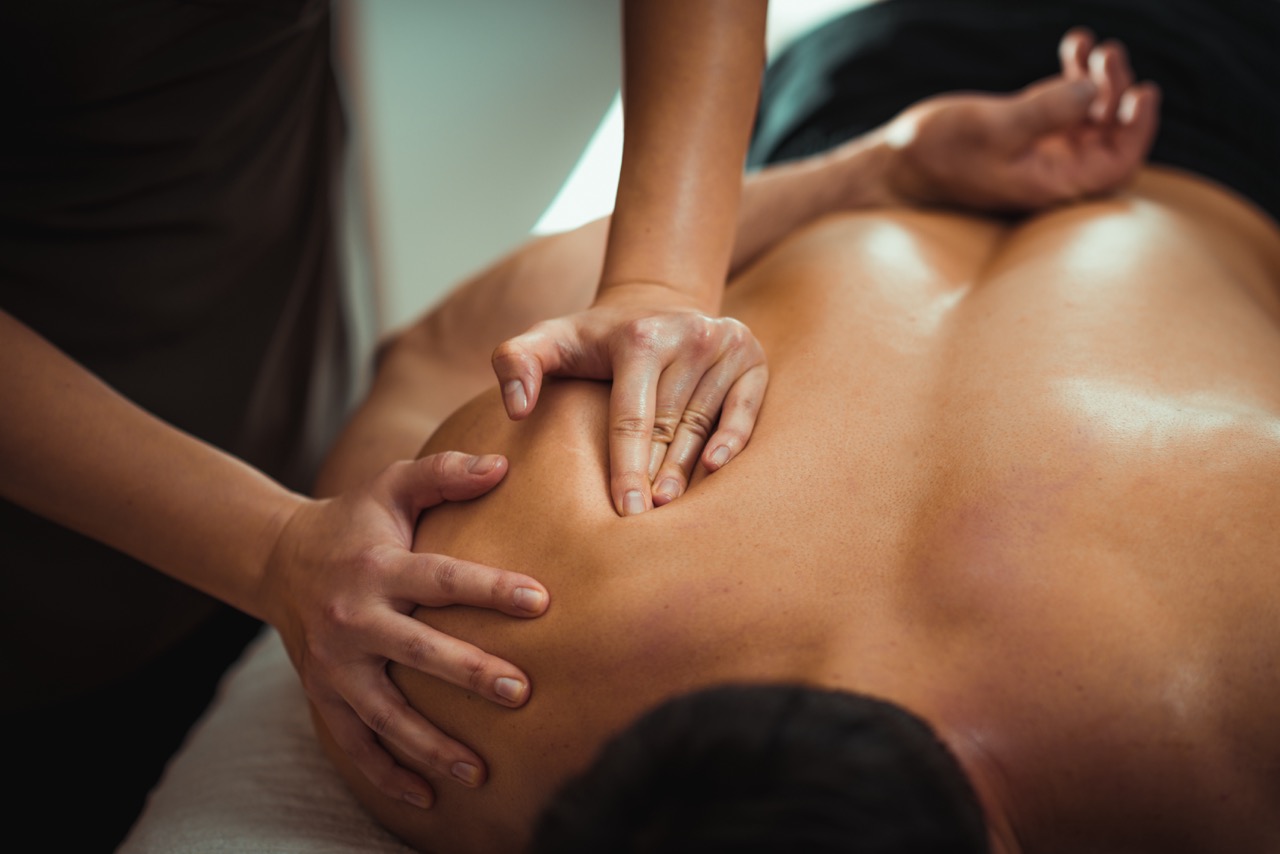
Massage offers a range of benefits that extend beyond physical relaxation, supporting both the body’s stress response and overall emotional wellbeing. Through consistent, intentional treatment, it can help create a greater sense of calm, ease and internal balance.
The key benefits of massage and stress reduction can be understood through its positive impact on the following four areas:
- Cortisol: Lowering cortisol while easing muscle tension.
- Mood: Boosting mood-regulating hormones.
- Sleep: Improving sleep quality.
- Calm: Calming the mind and lowering anxiety.
Lowers Cortisol and Eases Muscle Tension
One of the benefits of massage is its ability to support the body’s stress response by encouraging a reduction in cortisol levels, while simultaneously easing physical muscle tension.
Research suggests that massage can influence key physiological stress markers through activating the parasympathetic nervous system (PSNS), helping to calm the body after danger or stress, and controlling the body's rest-and-digest mode). Essentially, this means it creates a sense of physical release, allowing held muscular tension to gradually soften.
Boosts Mood-Regulating Hormones
Beyond its calming physical effects, research has also examined how massage therapy may influence key biochemical processes linked to mood and emotional wellbeing. Research published in the International Journal of Neuroscience found that massage therapy was associated with reduced cortisol levels, with massage therapy linked to releasing positive hormones, reflected in a 28% increase in serotonin and 31% increase in dopamine. This finding suggests a positive effect on physiological stress regulation and mood-related processes.
Improves Sleep Quality
Through massage, the body may experience improved sleep quality by encouraging a deeper state of relaxation. By easing physical tension and helping to calm the nervous system, there is a supportive shift away from sympathetic nervous system activity (the body’s stress and fight-or-flight response) toward greater parasympathetic nervous system activity (the rest-and-digest state).
Due to this shift, massage can create more favourable conditions for falling asleep and maintaining restful sleep, potentially helping with insomnia when performed before bedtime. Over time, this relaxation response may contribute to a more consistent and restorative sleep pattern, one of the benefits of a massage chair lifestyle.
Calms the Mind and Lowers Anxiety
With massage, there is commonly a sense of calm, as it encourages the body to shift out of an increased stress response and into a more relaxed state. Through slow, intentional techniques, it can ease physical tension while supporting a greater sense of mental clarity and emotional ease.
Research has found that multiple massage therapy sessions may be associated with reducing trait anxiety and depression levels, highlighting its role in supporting overall wellbeing. To understand the effects of regular massage on the mind, explore how massage chairs support mental health.
| Body Aspect Affected | Sympathetic Activity (Fight-or-Flight) | Parasympathetic Activity (Rest-and-Digest) |
|---|---|---|
| Skeletal Muscle | Contracts Dilates blood vessels to increase movement | Relaxes Maintains baseline resting |
| Hormones | Triggers adrenaline Floods the body with cortisol Elevates dopamine Inhibits or downregulates serotonin | Inhibits adrenaline production Lowers cortisol levels Balances dopamine Produces and supports serotonin |
Best Types of Massage for Stress and Anxiety
As not all massage styles are the same, when it comes to stress and anxiety, certain techniques are especially effective at encouraging relaxation and emotional ease. The most suitable approach for massage and stress generally depends on personal preference, sensitivity to pressure and the level of tension held within the body. Discover the different types of massage that may best align with your body’s needs and desired sense of relaxation, such as:
- Aromatherapy Massage: Combines touch with essential oils to support emotional balance and help reduce feelings of anxiety.
- Deep Tissue Massage: Targets deeper muscle layers to release built-up tension, which can reduce physical stress held in the body.
- Hot Stone Massage: Uses warmth to relax tight muscles and promote a soothing, grounding effect on the body and mind.
- Reflexology: Applies pressure to specific points on the feet or hands to encourage overall relaxation and stress relief.
- Swedish Massage: Encourages deep relaxation through gentle, flowing techniques that help calm the nervous system and ease general stress.
Massage and Anxiety: What the Evidence Shows
Research into massage therapy suggests that it may support the management of stress and anxiety symptoms by encouraging relaxation, reducing physical tension and influencing the body’s stress response. Studies have linked massage and stress reduction with changes in physiological stress markers, including lowered cortisol levels and increased parasympathetic activity, which may contribute to a greater sense of calm and wellbeing. However, massage should be regarded as a complementary wellbeing practice rather than a cure or replacement for professional mental health support.
Health Tip: If stress or anxiety feels overwhelming, persistent or begins to affect daily life, seeking guidance from a qualified healthcare professional is recommended.
The Vagus Nerve and Anxiety
The vagus nerve, or the vagal nerves (which send signals between the brain, heart, lungs, and digestive system), plays an important role in regulating the body’s relaxation response by supporting parasympathetic nervous system activity. Through its influence on heart rate, breathing and stress regulation, this pathway helps the body transition from being hyperalert into a calmer condition.
Vagus nerve massage for anxiety may support the body’s relaxation response by easing stress-related tension and encouraging vagus nerve activity associated with parasympathetic balance. This helps the body return to a calmer, more regulated state of homeostasis. Originating from Greek, homeo- means "similar" or "same", while -stasis means "standing still," "stable," or "a state of balance," forming a term that describes the body’s natural ability to maintain internal balance while adapting to external changes.
How Often Should You Have a Massage for Stress?
The ideal frequency of massage for stress depends on individual needs, lifestyle demands and personal wellbeing goals. Some people may benefit from occasional sessions during stressful periods, while others incorporate massage as a regular wellness ritual to support ongoing relaxation and balance. Finding a consistent approach that aligns with your body’s needs can help create a sustainable routine for managing everyday tension.
| Stress Level/Need | Recommended Frequency | Purpose/Benefit |
|---|---|---|
| Acute Stress Periods | Weekly | Supports relaxation and helps reset the nervous system. |
| Ongoing Stress Management | Every 2-3 weeks | Helps maintain balance and reduce accumulated tension. |
| General Wellbeing Maintenance | Monthly | Supports consistent calm and emotional regulation. |
| Light or Occasional Stress | As needed | Provides support during particularly demanding periods. |
Using a Massage Chair for Daily Stress Relief at Home
If you are looking to incorporate regular stress relief into your routine, a massage chair offers a convenient way to experience consistent relaxation at home. Designed to support muscle comfort and encourage a calmer state of mind, it provides an accessible option for daily wellbeing without the need to schedule appointments.
With standard features of massage chairs integrating some of the most popular routines adjustable by pressure and duration, it allows users to ease tension and support a more balanced lifestyle. If you are interested in creating your own restorative moments through regular, convenient care, view the collection of home massage chairs for daily relaxation.
Bring Calm Home With Komoder
Craft a more restorative daily ritual with a considered approach to at-home wellbeing. Designed to support relaxation, ease muscular tension and encourage a greater sense of balance, a massage chair offers a refined way to unwind within the comfort of your own space. To discover how this experience can fit into your lifestyle, explore our full massage chair range. Step into a curated selection of premium massage chairs for home or business, and speak to our team.
FAQs
Can massage get rid of anxiety completely?
Massage cannot eliminate anxiety entirely, as anxiety is a complex condition influenced by a range of emotional, psychological and environmental factors. However, it may help reduce physical tension and promote relaxation, which can make symptoms feel more manageable. For many people, it works best as a supportive practice alongside other wellbeing or therapeutic approaches.
How long does the calming effect of a massage last?
The calming effects of a massage may be felt immediately and can last for around 24 to 48 hours as the body remains in a more relaxed state. For some, benefits such as reduced muscle tension, improved mood and better sleep can continue for several days, depending on lifestyle and stress levels. Regular sessions may help extend and maintain these effects over time.
What is the best massage for stress and anxiety?
The most suitable massage for stress and anxiety is often a Swedish massage. Its gentle, flowing techniques are designed to promote deep relaxation, easing muscular tension and supporting a reduction in stress-related physical responses, such as elevated heart rate. However, the best choice can vary depending on personal preference and how the body responds to different levels of pressure and technique.
Can you do self-massage for stress at home?
Yes, you can use self-massage as an effective way to help release physical tension and encourage relaxation at home. It allows you to focus on common stress areas such as the neck, shoulders and scalp using your hands or simple aides or devices. While it is not a replacement for professional treatment, it can be a helpful part of a daily stress management routine.
Is it safe to use a massage chair every day?
Yes, for most people, it is safe to use a massage chair on a daily basis when used in moderation. Short sessions, capped at 20 minutes, twice daily, are generally recommended to avoid overworking the muscles and to allow the body to respond comfortably to the massage. As with any wellness tool, listening to your body and adjusting frequency and intensity is important for a positive experience.
When should you speak to a doctor about stress or anxiety?
You should speak to a doctor about stress or anxiety when it begins to affect your daily life, work, relationships, or overall wellbeing, or when symptoms feel difficult to manage on your own. Seek medical advice if you experience frequent panic attacks, ongoing sleep disturbances, or physical symptoms such as chest pain or a rapid heartbeat. A General Practitioner (GP) can help assess your symptoms, rule out underlying conditions, and guide you toward appropriate treatment options.