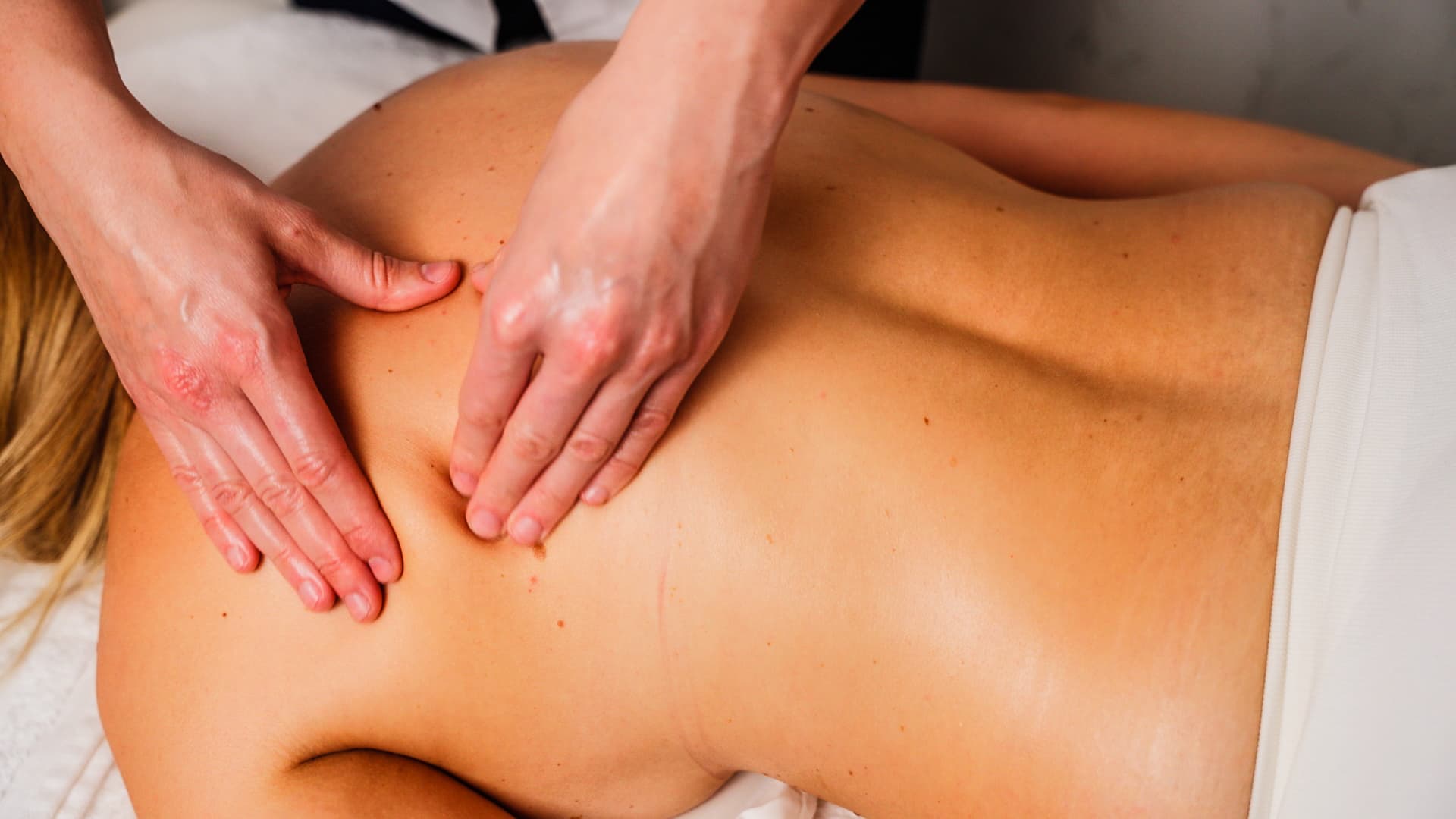
Rooted in Japanese wellness traditions, shiatsu massage therapy reflects the influence of traditional Chinese medicine, reinterpreted through a uniquely Japanese philosophy of balance, touch, and energy flow.
Designed to restore the body’s vital energy, shiatsu combines intentional pressure techniques with deeply restorative relaxation. While traditionally delivered by skilled practitioners, modern luxury massage chairs now offer a sophisticated way to experience shiatsu-inspired therapy within the comfort of your own home.
Understand what is shiatsu massage and the ways you can enjoy it in a contemporary, customisable setting.
The Origins of Shiatsu Therapy
Shiatsu therapy originates in Japan, with its name derived from the Japanese words shi (指), meaning “finger,” and atsu (壓), meaning “pressure”, together forming “finger pressure” therapy. While shiatsu is distinctly Japanese in its development, it has been influenced by traditional East Asian healing philosophies.
The two therapy approaches share very similar concepts of:
- Ki (pronounced “key”): The Japanese interpretation of vital life energy; closely related to Qi.
- Qi or Chi (pronounced “chee”): The Chinese concept of natural flow of energy within the body.
The modern form of shiatsu massage therapy is generally credited to the early 20th century in Japan between 1911-1925, an evolved version of earlier Japanese manual therapies, like anma. Similar to anma, shiatsu is a type of bodywork founded on the idea of restoring balance and harmony to this energetic flow, using precise pressure techniques to encourage relaxation, alignment, and overall wellbeing.
How Shiatsu Massage Works
Activating the Ki, or our body’s life force, Japanese shiatsu massage therapy focuses on detecting areas in which our energy flow is hindered or blocked, manipulating various points of pressure through stretching, kneading, and tapping. Practitioners connect to our energy levels by starting each session from the hara, or the abdominal area, and then working along the meridian energy system. The shiatsu practitioner or therapist operates within a holistic framework by observing and assessing both internal and external concerns and the recipient’s individual needs to restore the body's harmony.

Ki Energy and Meridian Channels
Meridian channels are believed to form an interconnected network of pathways running throughout the body, linking different organs, muscles, and systems within a holistic wellness philosophy.
In shiatsu therapy, these channels are thought to carry Ki energy from head to toe, with each meridian associated with specific physical and emotional functions. By applying measured pressure along these points and pathways, shiatsu seeks to encourage equalisation, release areas of tension, and support a more restorative sense of wellbeing.
The Hara Assessment Process
Within shiatsu therapy, the hara refers to the abdominal centre of the body and is traditionally regarded as a focal point of physical and energetic alignment. During a hara assessment, a practitioner gently places their palms across different areas of the abdomen and observes energy through touch.
By using palpitations, a practitioner evaluates the body’s energetic condition through touch and sensitivity.
During this tactile phase, shiatsu practitioners perceive areas as:
- Hard or “Full”, known as Jitsu (Representing fullness): May suggest excess tension, a blockage or stagnation
- Soft or “Empty” areas, known as Kyo (Representing emptiness/deficiency): These are interpreted as depleted or lacking energy.
This tactile assessment helps guide the rhythm, pressure, and focus of the shiatsu treatment, allowing the practitioner to apply informed, careful manoeuvres to correct and finely tune the abdominal, or hara, space.
Core Shiatsu Techniques
Shiatsu therapy is built upon a series of foundational hands-on techniques designed to work in harmony with the body’s natural energy flow and physical structure. Various manual techniques may be used, applying fingers, thumbs, palms, and knees to deliver a sequence of stretching, tapping, pressure, kneading, and soothing movements.
Technique | Method | Effect |
Kenbiki | Gentle rocking motion applied rhythmically across the body | Eases the body into deeper relaxation and calm |
Sustained Pressure | Thumbs, palms, elbows, or knees guided by body weight along meridian pathways | Releases tension and energetic stagnation |
Assisted Stretching | Practitioner gently moves or extends the limbs using controlled body weight | Encourages openness, alignment, and energy flow |
Joint Rotations and Mobilisation | Subtle circular motions of the ankle, knee, or hip | Supports joint freedom and structural alignment |
Throughout a session, practitioners may also guide the body through subtle positional changes to access specific meridian points more effectively, ensuring the treatment remains responsive, intuitive, and tailored to the individual.
Key Benefits of Shiatsu Massage
As shiatsu massage offers a holistic approach to wellbeing, it is a practice focused on providing physical ease and emotional stability. Rooted in traditional Japanese techniques, it works through targeted pressure and gentle manipulation to help release tension and encourage a deeper sense of relaxation. The benefits of shiatsu massage may extend to supporting the body and mind across several areas of everyday health and comfort.
Shiatsu massage may help with:
- Muscular tension, poor posture, sciatica, and arthritis-related stiffness
- Stress, anxiety, fatigue, and insomnia
- Hormonal balance and premenstrual discomfort
- Digestive comfort and appetite regulation
- Circulation and energy flow throughout the body
- Sleep quality and nervous system regulation
Muscle Tension and Pain Relief
Shiatsu is also widely used to ease muscular tension and support recovery during periods of physical strain, including sports-related activities. There are claims that it may contribute to improving comfort in cases of poor posture, sciatica, and arthritis-related stiffness.
Additionally, there are studies from the Journal of Advances in Medicine and Medical Research on shiatsu as a preventative measure for work-related stress.
As a result, it is often incorporated into wellness routines focused on supporting mobility and overall physical comfort.
Stress and Anxiety Reduction
Beyond the physical, shiatsu is recognised for its deeply calming effects, supporting relief from fatigue, stress, anxiety, and insomnia. It is also associated with promoting a more harmonious emotional state and a sense of mental clarity. In some contexts, it is additionally referenced in relation to hormonal wellbeing, including premenstrual discomfort and vitality.
Sleep, Circulation and Digestion
Shiatsu is often associated with supporting digestive comfort, including appetite regulation and relief from sensations of nausea, through its focus on restoring overall internal equilibrium. It is also believed to encourage healthy circulation, helping to support the efficient flow of energy and promote a greater sense of physical ease throughout the body. In addition, its deeply relaxing nature is widely valued for its role in encouraging improved sleep quality and a calmer, more settled nervous system.
Shiatsu vs Other Massage Types
Shiatsu offers a distinctly holistic understanding of massage, focusing on both physical ease and energetic balance through targeted pressure along the body's meridian pathways. While some techniques may appear similar at first glance, shiatsu differs from Swedish massage in its focus on energetic balance rather than general relaxation, and from deep tissue massage in its restorative approach rather than corrective muscular targeting.
You can explore these differences in more detail in our dedicated guides on comparing shiatsu and Swedish styles and deep tissue versus shiatsu compared.
The table below shows how shiatsu compares across a broader range of massage styles.
Massage Type | Core Focus | Key Technique | Overall Experience |
Shiatsu | Energetic balance and holistic wellbeing. | Rhythmic pressure along meridian pathways using thumbs, palms, and body weight. | Deeply restorative, combining physical release with energetic rebalancing. |
Deep Tissue Massage | Chronic tension and muscular tightness. | Slow, firm pressure targeting deeper muscle layers. | Intense and targeted, often focused on specific problem areas. |
Hot Stone Massage | Relaxation through heat therapy. | Heated stones are placed and glided over the body. | Warm, deeply relaxing, and sedative. |
Lymphatic Drainage | Fluid movement and gentle detoxification support. | Light, rhythmic strokes to encourage lymph flow. | Extremely gentle, calming, and subtle. |
Prenatal Massage | Comfort and support during pregnancy. | Gentle, adapted techniques for safety and relaxation. | Nurturing and supportive, focused on comfort and wellbeing. |
Sports Massage | Performance, recovery, and injury prevention. | A combination of deep pressure, stretching, and mobilisation. | Functional and results-driven, often used around training cycles. |
Swedish Massage | General relaxation and stress relief. | Long, flowing strokes and light-to-medium pressure. | Soothing and calming, focused on overall relaxation. |
Thai Massage | Flexibility and energetic flow. | Assisted stretching and rhythmic compression. | Dynamic and movement-based, often described as energising. |
Trigger Point Massage | Localised muscular tension release. | Focused pressure on specific “knots” or trigger points. | Precise and corrective, often targeting pain referral areas. |
What to Expect in a Session
A shiatsu massage session typically lasts about 60 minutes and is uniquely adapted to the client’s specific needs. Unlike most massage therapies, shiatsu is performed fully clothed on a floor mat or futon, with no oils or equipment required. Loose, comfortable clothing is recommended to allow for gentle stretching and movement throughout the session.
The practitioner will begin with a short consultation covering your health and any areas of concern, before moving into the hands-on treatment using a combination of pressure, stretching, and joint mobilisation techniques.
When to Avoid Shiatsu
Shiatsu is generally a gentle, non-invasive therapy, but it may not be suitable in certain health situations. Always approach therapies with care where medical conditions are present.
Shiatsu should be avoided in cases such as:
- Musculoskeletal Conditions: Not recommended in cases of recent injury, fractures, herniated discs, advanced osteoporosis, or inflammatory joint conditions where pressure may be unsuitable.
- Acute Illness: Should be avoided during fever, infection, or periods of acute physical strain, as manipulation may cause dizziness or discomfort.
- Medical Conditions Requiring Caution: While variations of shiatsu have been reported to help some cancer patients as a complementary treatment according to the National Library of Medicine (NIH), extra care and medical approval are advised for individuals undergoing cancer treatment or managing blood-related conditions.
- Localised Contraindications: Shiatsu should not be applied over open wounds, surgical sites, inflamed areas, or visible varicose veins.
As with all therapeutic practices, suitability depends on individual health circumstances, especially if you, as the recipient, are pregnant or diagnosed with chronic health conditions. Professional advice should always be sought where uncertainty exists.
Note: Some individuals may experience mild, short-lived soreness, fatigue, stiffness, or headaches following a session. This is similar to post-exercise recovery and typically resolves within 24 to 48 hours.
Experiencing Shiatsu at Home
Modern wellness technology now allows the essence of shiatsu to be experienced at home, offering a convenient way to integrate restorative practices into daily life. Dedicated shiatsu massage chairs are designed to replicate key shiatsu techniques, including targeted pressure, rhythmic movement, and full-body relaxation sequences. This creates a personalised experience that supports relaxation, ease, and overall wellbeing without the need for external appointments.
Ready to Experience Shiatsu Benefits?
Today, the shiatsu experience can be recreated at home through advanced massage chair technology. Komoder’s full range of massage chairs incorporates shiatsu-inspired functions, using targeted pressure points and gentle heat to replicate elements of traditional technique. Present in most models of massage chairs, the shiatsu function operates through adjusted tension points and gentle heat flow, which mimics the energy transmission targeted by practitioners in their techniques.
Bring balance into your everyday wellbeing with a shiatsu massage chair. Speak to our team today to discover the ideal solution for your home.
FAQs
How much does a shiatsu massage session cost in the UK?
A shiatsu massage session in the UK typically costs around £45-£60 for 60 minutes. In premium spa settings or London-based practices, prices can rise to £90-£100 or more per hour. The final cost generally depends on location, practitioner experience, and session duration.
How often should you have shiatsu to notice a difference?
To notice a meaningful difference from shiatsu, many practitioners recommend scheduling between 3 and 5 sessions. Sessions are often spaced weekly or fortnightly to allow the body time to respond and rebalance between treatments. Ongoing frequency can then be adjusted based on individual needs and wellbeing goals.
Is shiatsu massage painful?
Although shiatsu can feel quite intense due to the pressure applied to specific points, it is not intended to be painful. Some areas may feel tender, especially where there is muscular tension, and may give a “good discomfort” sensation rather than sharp pain. It should never feel unbearable, and pressure is typically adjusted to remain within a comfortable range.
How do you find a qualified shiatsu practitioner in the UK?
To find a qualified shiatsu practitioner in the UK, it is best to use recognised professional registers and accredited certifications. Look for practitioners with:
- Shiatsu Society UK - MrSS (Member of the Register of the Shiatsu Society) status
- Complementary and Natural Healthcare Council (CNHC) - accredited register
- Federation of Holistic Therapists (FHT) - directory of insured and qualified practitioners
How is shiatsu different from acupressure?
Shiatsu is different in that it is a Japanese, holistic, whole-body therapy that uses consistent pressure with the thumbs, palms, and sometimes elbows, often combined with gentle stretching to support overall energetic balance. Acupressure is rooted in Traditional Chinese Medicine (TCM), and centres on stimulating specific points with more targeted, circular or intermittent point-specific pressure to address particular symptoms.
Can you do shiatsu self-massage at home?
Yes, shiatsu self-massage can be performed at home to help ease stress, release tension, and encourage relaxation. It typically involves applying steady pressure with the thumbs, fingers, or palms to key areas of the body for a few seconds at a time. Shiatsu may help where tension often accumulates, mainly the neck, shoulders, hands, and abdomen.