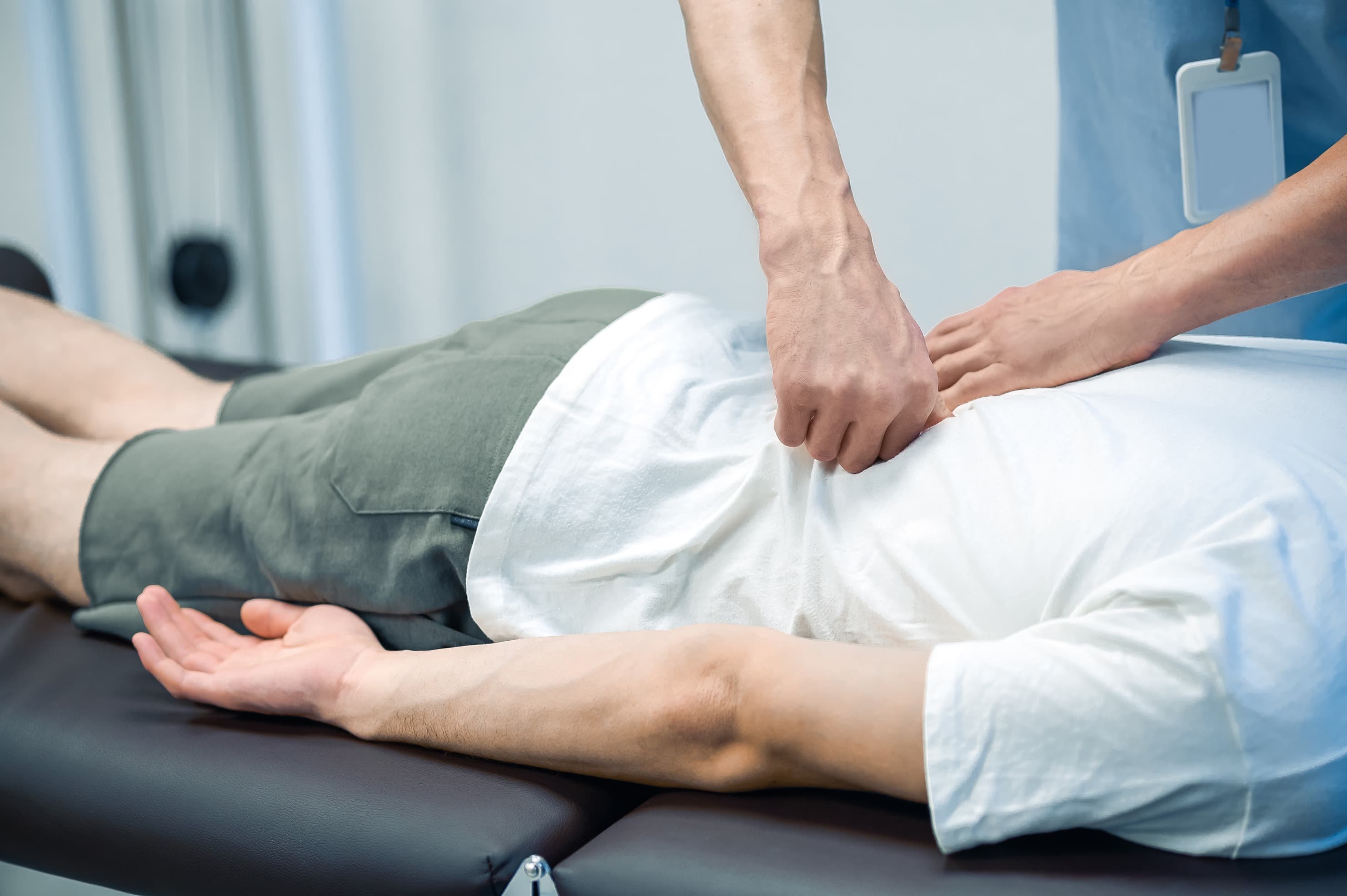
When it comes to choosing the perfect massage chair, there are several factors to consider that can make all the difference. Depending on your preferences, you can choose a massage chair that meets your specific needs. Thanks to technology, the market now offers a variety of products equipped with modern functions and techniques, capable of meeting even the most demanding requirements. So, today, we invite you to discover the differences between Shiatsu, Thai, and Swedish massage techniques in modern massage chairs.
How modern massage chairs simulate Shiatsu techniques
In an era where wellness meets technology, modern massage chairs have transcended basic vibration functions to become sophisticated wellness hubs. Among the most revered styles of massage incorporated into these chairs is Shiatsu, a Japanese technique rooted in traditional Chinese medicine. Shiatsu focuses on applying pressure to specific points on the body to stimulate energy flow and promote healing.
Advanced massage chairs replicate Shiatsu techniques using an array of rollers and airbags strategically positioned to target acupressure points. These rollers mimic the thumbs and palms of a Shiatsu practitioner by applying rhythmic pressure along the body's meridians. Many chairs now integrate 3D and 4D technology, allowing rollers to move not just up and down, but also in and out, and in circular motions, which more accurately simulates the human touch.
Some high-end chairs also include body scanning technology, which maps out an individual's body shape and pressure points before starting the massage. This customization ensures the Shiatsu technique is applied precisely where it's needed, enhancing both effectiveness and comfort.
Thai massage elements in advanced massage chairs
Thai massage is known for its dynamic and stretching-based techniques. Unlike Shiatsu, which focuses on pressure points, Thai massage incorporates assisted yoga-like stretches to improve flexibility and energy flow.
Modern massage chairs that simulate Thai massage use extended leg rests, flexible reclining systems, and robust airbags that can compress and release with calculated timing. These components work together to gently stretch limbs and mobilize joints. Advanced models may even raise the legs and lower the torso simultaneously, imitating the back-bending stretches of traditional Thai practitioners.
Some chairs also offer guided stretching programs, which sequentially move different parts of the body to simulate the effect of a Thai massage session. This not only improves circulation but also helps in alleviating muscle stiffness and enhancing overall mobility.
Swedish massage simulation in modern chairs
Swedish massage is characterized by long, gliding strokes, kneading, and circular movements. It is primarily aimed at relaxation and improving blood flow. To mimic these techniques, massage chairs are equipped with multiple roller settings and speed adjustments.
The simulation begins with slow, broad strokes to warm up the muscles. Then, rollers perform kneading and tapping actions that replicate the Swedish techniques of petrissage and tapotement. Advanced AI-based systems can adapt the massage intensity in real-time based on muscle tension detected through sensors.
Many chairs also offer heat therapy in conjunction with the massage, enhancing the Swedish experience by further relaxing the muscles and increasing blood flow.
Comparative analysis: which massage style works best for different conditions?
Back pain: Shiatsu vs. Swedish vs. Thai approaches
Shiatsu is often preferred for chronic back pain due to its targeted pressure on acupoints. The precision of 3D rollers in high-end chairs ensures deep tissue relief, which is ideal for long-term pain management.
Swedish massage, while less intense, is excellent for general muscle relaxation and is often recommended for individuals with mild to moderate back discomfort.
Thai massage can be beneficial for structural issues and stiffness, offering the added advantage of passive stretching. It’s particularly effective for those experiencing mobility-related back issues.
Stress relief: the most effective technique according to research
Scientific studies suggest that Shiatsu and Swedish massages are both effective in reducing cortisol levels and promoting the release of serotonin and dopamine. However, Swedish massage tends to lead in this category due to its soothing, repetitive motions which activate the parasympathetic nervous system.
Shiatsu offers deeper emotional release for those attuned to Eastern wellness philosophies, as its focus on meridians can influence internal energy balance. Thai massage, while invigorating, is less focused on relaxation and more on revitalization, making it slightly less effective for pure stress relief.
Recovery from physical activity: optimal massage styles
For athletes or individuals engaged in regular physical activity, Thai massage is often the most beneficial due to its focus on muscle stretching and joint mobility. It helps in faster recovery by alleviating lactic acid buildup and improving flexibility.
Shiatsu also plays a role here, especially for targeting sore spots and accelerating muscle recovery through deep pressure.
Swedish massage, while less aggressive, is excellent for post-workout relaxation and can prevent muscle soreness if used regularly.
Customisation options in premium massage chairs
Modern massage chairs are marvels of customization. They offer a plethora of settings to tailor each session to individual preferences and needs.
How to blend different techniques for personalised therapy
Many chairs now come with hybrid modes that allow users to combine elements from Shiatsu, Thai, and Swedish massages into one session. For instance, a session could start with the stretching elements of Thai massage, followed by the pressure of Shiatsu, and end with the soothing strokes of Swedish techniques.
This level of personalization ensures that each user receives a holistic experience, addressing multiple physical and mental health needs in a single session.
Programmable sessions for varying needs
Users can now program their own sessions based on specific needs like "Stress Relief," "Post-Workout Recovery," or "Deep Tissue Relief". These programs automatically adjust roller intensity, speed, airbag pressure, and heat settings to deliver the desired outcome.
Some high-end models even offer memory settings, storing user preferences and biometric data to enhance each subsequent session.
Making the right choice based on your specific health needs
Choosing the right massage chair ultimately comes down to understanding your own body and health goals. If you suffer from chronic pain, especially in the back, a chair with strong Shiatsu capabilities and deep tissue functions will be ideal.
For those seeking relaxation and mental wellness, a chair that excels in Swedish simulation with heat therapy and calming presets will provide the most benefit.
Athletes or physically active individuals may want to invest in a model with strong Thai massage capabilities and guided stretching programs.
Lastly, consider chairs with advanced customization options if you have diverse needs or if multiple people in your household will use the chair at home. The ability to tailor each session ensures that everyone can enjoy a personalized wellness experience.
Modern massage chairs are no longer just luxury items. They are comprehensive health tools. With the ability to simulate Shiatsu, Thai, and Swedish techniques and offer deep customization, they provide a flexible and effective alternative to in-person therapy, making wellness more accessible than ever.