
Sports massage is more than post-workout relief. Rather, it’s regarded as a specialised approach to muscle care designed to support an active lifestyle. Although it was associated primarily with athletes, sports massage is now widely embraced as part of a modern wellness routine if you are seeking to move and feel your best.
Whether before activity, after exertion or as ongoing maintenance, sports massage is a valued ritual in both performance and recovery. Discover what sports massage involves, the benefits of sports massage and what to expect from the experience.
Key Takeaways
- Sports massage supports recovery and performance, helping ease tension, improve mobility and maintain movement quality.
- Sports massage is not just for athletes; it benefits anyone experiencing physical strain from lifestyle, work or exercise.
- Timing plays a key role, with pre- and post-exercise massage sessions for targeted recovery and performance purposes.
- Different massage techniques target different needs, from warming muscles to releasing deeper tension and improving tissue mobility.
- Massage chairs offer ongoing support at home, complementing professional treatment with convenient, daily relief.
What Is a Sports Massage?
A sports massage is a specialised form of therapeutic bodywork focused on the soft tissues of the body, particularly the muscles used during physical activity. If you have ever wondered what is sports massage therapy, it can be described as a refined, targeted approach to help release tension, improve circulation and support the body’s natural recovery processes. While usually associated with athletes, it is equally beneficial for anyone experiencing muscular strain from daily movement, exercise or lifestyle demands.
How Sports Massage Differs From a Regular Massage
While both sports massage and regular massage aim to promote relaxation and wellbeing, their purpose, technique and overall focus are more distinctive. To help you choose the approach best suited to your needs, it is useful to understand their defining elements:
- Sports Massage: Is more targeted and functional, working on specific muscle groups to support recovery and performance.
- A Regular Massage: Is typically broader, designed to encourage general relaxation and stress relief.
| Element | Sports Massage | Regular Massage |
|---|---|---|
| Primary Intention | Restorative muscle care for active bodies | Holistic relaxation and calm |
| Approach | Targeted, purposeful, and focused on specific areas of tension | Flowing, full-body treatment centred on relaxation |
| Technique Style | Deeper, more precise work on muscle groups | Gentle to medium pressure with rhythmic flow |
| Best Recommended For | Active lifestyles, post-exercise recovery, and muscular fatigue | Stress relief, downtime, and overall wellbeing |
| Overall Experience | Energising, releasing, and function-led | Soothing, restorative, and deeply calming |
| Desired Outcome | Greater ease of movement and physical readiness | A sense of balance, ease, and relaxation |
For a more comprehensive comparison, explore the different types of massage and their intentions, benefits and ideal use cases, each offering a distinct approach to supporting the body’s wellbeing.
What Does a Sports Massage Actually Do?
Sports massages work by applying focused pressure and specialised techniques to areas of muscular tension and fatigue. This helps release tightness in the soft tissues, encouraging healthy circulation and supporting the body’s natural recovery processes. Rather than offering a generalised experience, it is intentionally targeted, working with the body where it needs attention most. The result? Many experience a sense of renewed ease, mobility and physical clarity.
Sports Massage Techniques Explained
Sports massage is not defined by a single method, but by a combination of techniques chosen around the body’s needs.
Each approach works in a slightly different way, targeting specific layers of muscle and soft tissue to help release tension, improve mobility and support recovery.
The 5 main sports massage techniques covered below are:
- Effleurage
- Petrissage
- Cross-fibre friction
- Trigger point therapy
- Myofascial release and stretching
Effleurage: Warming the Tissue
Effleurage is a gentle, flowing technique that is typically used at the beginning of a sports massage to prepare the body for deeper work. Using long, sweeping strokes, this phase helps warm the muscles by encouraging circulation and creating a sense of ease within the tissues.
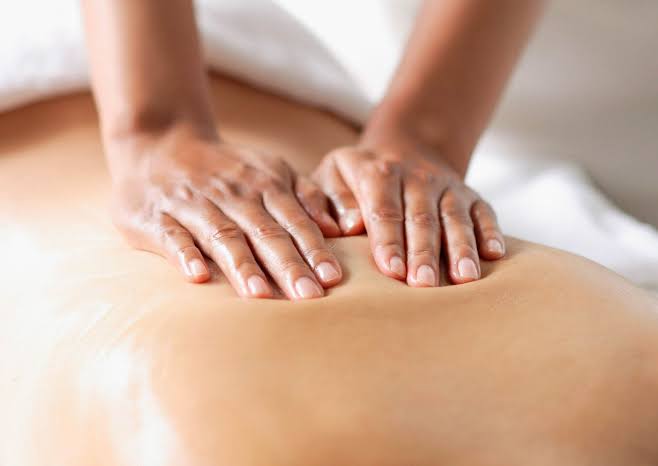
Technique Purpose: As the foundational technique, the therapist assesses areas of tension and works towards a more targeted treatment during the session.
Petrissage: Kneading Out Tension
Petrissage involves a deeper, kneading action that works into the muscles to release built-up tension and stiffness by gently lifting, rolling and compressing soft tissues. It can be used to address areas of fatigue, leaving the body feeling more supple and restored.
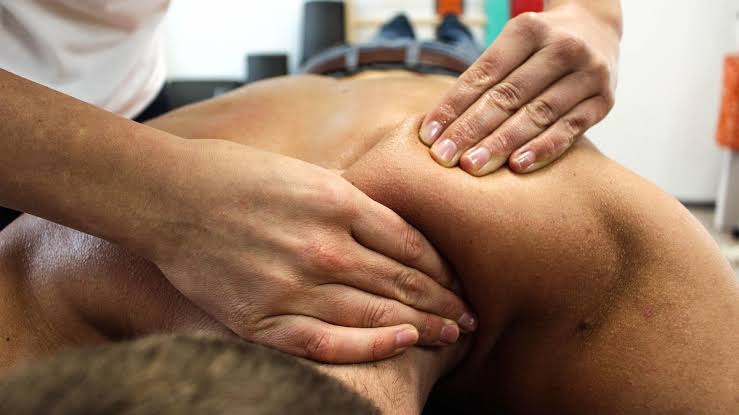
Technique Purpose: It improves circulation and encourages greater flexibility within the muscle fibres for the next massage phases.
Cross-Fibre Friction: Breaking Down Adhesions
Cross-fibre friction is a more precise, focused technique used to address deeper areas of tension within the muscle and connective tissue. Muscles are made up of fibres that naturally run in a specific direction, and this technique works across these fibres to gently release tight, restricted areas. By applying controlled pressure across the grain of muscle fibres, usually in shorter, targeted bursts, this action helps soften and release adhesions that restrict movement or contribute to discomfort.
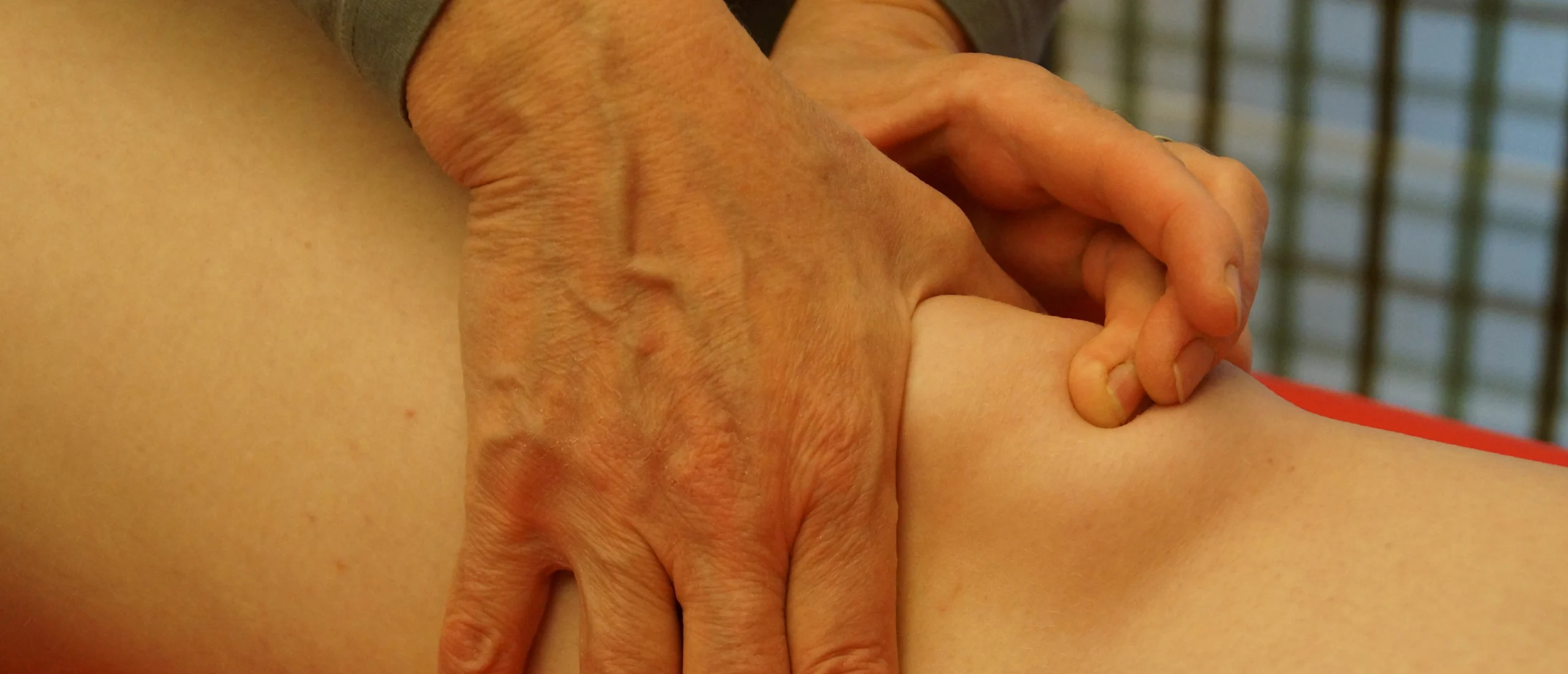
Technique Purpose: Encourages improved tissue mobility and long-term functional ease.
Trigger Point Therapy: Releasing Knots
This therapy focuses on specific areas of tightness within the muscle, often referred to as “knots”, but in clinical terms are known as trigger points. These are not literal knots, but rather small, hypersensitive areas within a tight band of muscle fibres that can develop when the muscle becomes overworked or remains in a contracted state.
These points can create localised tension and may even refer discomfort to other areas of the body. Trigger point therapy is performed by applying sustained, controlled pressure directly onto a specific tight point in the muscle until the tension gradually softens and releases.
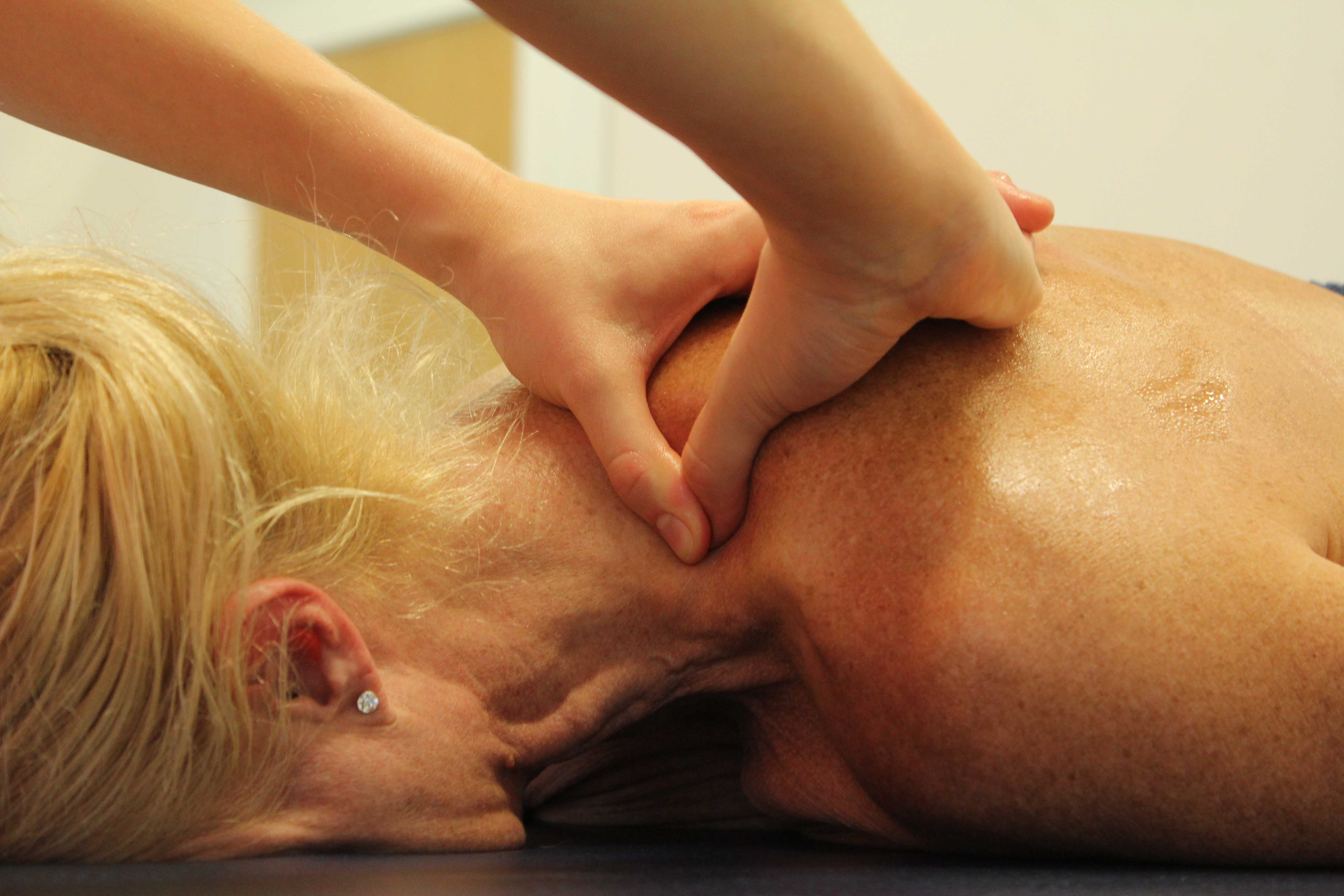
Technique Purpose: Helps encourage the release of these restricted points, supporting improved comfort and ease of movement
Myofascial Release and Stretching
Myofascial release, with “myo” meaning muscle and “fascial” referring to fascia, focuses on addressing this thin, fibrous connective tissue that surrounds and supports the muscles throughout the body. This technique uses slow, continuous pressure alongside guided stretching to target the stiff, dehydrated tissue to restore elasticity. Ultimately, myofascial release encourages greater freedom of movement, resulting in a body that moves with improved ease and balance.
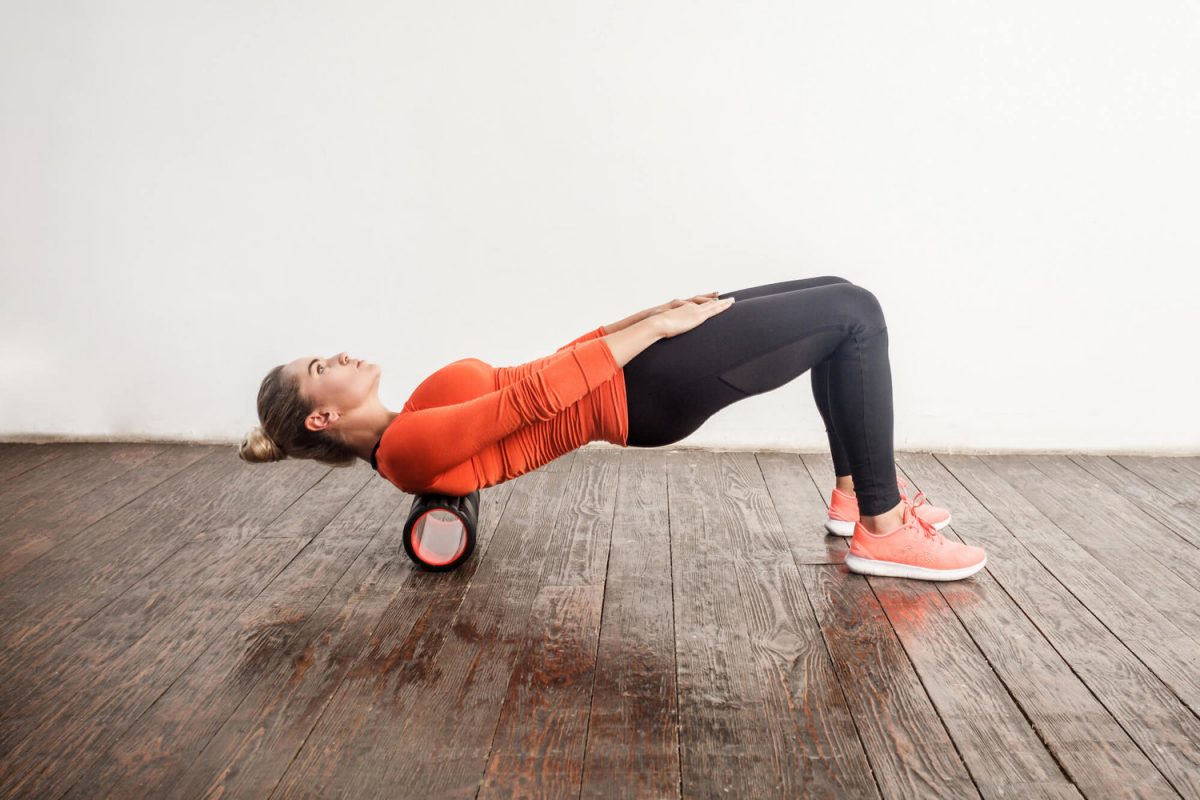
Technique Purpose: Eases restrictions within the fascia, improves mobility and restores a greater sense of fluid movement.
Key Benefits of Sports Massage
The benefits of a sports massage extend far beyond a moment of relaxation, supporting both physical recovery and overall movement quality. Through targeted techniques and intentional muscle work, sports massage is designed to help the body recover, adapt and perform more comfortably over time.
The potential outcomes of sports massage that make it a valued part of modern wellness and recovery routines include:
- Easing post-workout soreness and DOMS
- Improving circulation and speeding up recovery
- Increasing flexibility and range of motion
- Helping reduce the risk of injury
- Lowering stress and sharpening mental focus
Eases Post-Workout Soreness and DOMS
Sports massage may help reduce feelings of muscle tightness and discomfort following physical activity, making recovery more comfortable. This can be especially beneficial when experiencing delayed onset muscle soreness (DOMS), the temporary stiffness and tenderness that can appear after unfamiliar or intense exercise.
Good to Know: DOMS is not caused by lactic acid, but by microscopic tears (or microtraumas) in your muscle fibres during intense or exercise the body is not accustomed to, triggering a repair response in the form of inflammation 12-48 hours following exercise, and may linger for 2-3 days.
Improves Circulation and Speeds Recovery
Sports massage uses targeted pressure and movement to encourage healthy blood flow through the muscles and surrounding tissues. Improved circulation helps deliver oxygen and nutrients where they are needed while supporting the body’s natural recovery processes after activity.
Increases Flexibility and Range of Motion
Sports massage works into tight or restricted muscle tissue to help reduce stiffness and encourage greater ease of movement. Targeted pressure and sustained strokes help warm the muscle tissues, improving hydration and sliding between tissue layers, making them more pliable and responsive to stretch. Over time, this can support improved flexibility and a more comfortable, natural range of motion (ROM) in everyday activity and exercise.
Helps Reduce the Risk of Injury
By helping to release muscular tension and address areas of tightness, sports massage can support better movement quality and reduce strain on overworked muscles. This encourages the body to move more efficiently, which may help lower the likelihood of injury during physical activity.
Fun Fact: Among the many benefits of sports massage, research suggests it may also help reduce delayed onset muscle soreness (DOMS) by up to 13% after exercise, according to a study published by the National Library of Medicine.
Lowers Stress and Sharpens Mental Focus
Sports massage not only works on the body but also encourages a calmer nervous system through slow, targeted touch and release of physical tension. This can help reduce feelings of stress while supporting a clearer, more focused state of mind.
Explore how massage helps relieve stress and anxiety to gain a deeper understanding of its calming effects and how it may elevate your overall wellbeing.
Who Is Sports Massage For?
Sports massage is not limited to professional athletes, but it is suited to anyone placing regular demand on their body, whether through training, work or everyday movement.
Individuals who may benefit from sports massage include:
- Runners and Endurance Athletes: Who require recovery support, reduced repetitive strain and help maintaining consistent performance.
- Gym-goers and Strength Trainers: Who require relief from muscle tightness and support for balanced, effective training.
- Weekend Athletes: Who benefit from easing post-exercise soreness and supporting recovery after occasional sport or activity.
- Desk-based Professionals: Who require relief from tension caused by prolonged sitting and repetitive postural strain, particularly in the neck, shoulders, upper back and lower back.
- Older Active Adults: Who benefit from maintaining mobility, comfort and ease of movement in daily life, especially in the hips, knees, lower back and shoulders, where stiffness and reduced flexibility are most commonly experienced over time.\
If you have reduced mobility or time-pressed schedules, you may enjoy the benefits of a massage chair for a refined and accessible way to experience personalised, customisable comfort.
Sports Massage Before or After Exercise
The timing of a sports massage can influence how the body responds, whether it is used in preparation for physical activity or as part of post-exercise recovery. Each approach serves a slightly different purpose, working in harmony with the body’s natural rhythm to support movement, performance and restoration.
To optimise your sports massage timing, it can be used either before and after exercise, or both, to support performance and recovery in different, but complementary ways:
- Before Exercise/Pre-Event: Sports massage may help prepare the body for movement by warming the muscles, increasing circulation and easing areas of tightness that could limit performance, encouraging a more fluid and effortless experience during activity.
- After Exercise/Post-Event: Sports massage may assist in recovery by easing muscular tension, reducing stiffness, and supporting the body’s natural repair processes, while also promoting a deeper sense of relaxation following physical exertion.
Does a Sports Massage Hurt? What to Expect
A sports massage is not typically described as painful, although it can involve moments of deeper pressure, particularly when working on areas of tight or overworked muscle. While you may encounter varying levels of sensation during a sports massage, learning how to distinguish between therapeutic discomfort and pain can help you better understand the experience and what to anticipate.
Here is how to identify the experiences of sports massage:
“Good Discomfort”: This sensation is sometimes referred to as a productive release that feels intense, but ultimately relieving, such as:
Feelings: Intense, but manageable.
Described as: Deep pressure or “release” sensation.
Breathing: Usually remains steady and relaxed.
Sensation: The client can relax, rather than resist it.
After pressure is released: The area may feel less tight.
Often accompanied by: A feeling of “melting” or easing after a few seconds.Main Difference: It feels like something is “working through” the muscle.
“Bad Pain”: Which signals strain or irritation, and may be indicated by:
Feelings: Pain does not ease or release when pressure is held.
Described as: Sharp, stabbing, or electric-type pain.
Breathing: Can become held or shallow.
Sensation: Feels increasing, rather than settling.
Causes the body to: Tense, flinch or pull away.
May cause: Lingering soreness that feels “wrong” rather than therapeutic.Main Difference: It feels like something is being irritated, not released.
Understanding these marked differences helps set expectations and allows the body to respond more effectively during treatment.
Health Tip: Always communicate with your therapist. Mild discomfort can be part of a sports massage, but sharp pain, numbness or tingling are signs to pause. Massage should support your wellbeing, not push beyond your body’s limits.
When to Avoid Sports Massage
While sports massage can be a valuable part of a recovery and wellness routine, it is not suitable for every situation. Certain conditions, injuries or stages of recovery may require rest, medical guidance or an alternative approach before massage is considered.
Use these signs as a guide for when to avoid sports massage, to keep the treatment safe and supportive for the body:
- Acute Injuries: Recent sprains, strains, fractures or swelling may require initial healing time before massage.
- Inflammation or Infection: Areas with active inflammation, fever, skin infections or open wounds should be avoided.
- Recent Surgery: Massage may need to be postponed until cleared by a healthcare professional.
- Certain Medical Conditions: Some conditions affecting circulation, blood clotting or tissue health may require medical advice before treatment.
- Severe or Unexplained Pain: Persistent pain without a known cause should be assessed before receiving deep tissue work.
Medical Advisory: Sports massage generally does not require a doctor’s referral and can be accessed directly through a qualified therapist. However, individuals with existing injuries, medical conditions or post-surgical concerns may be advised to seek medical guidance beforehand to confirm the treatment is appropriate.
Getting Sports Massage Benefits at Home With a Massage Chair
Advancements in wellness technology now make it possible to experience many of the principles of sports massage in the comfort of your own space. With the ability to tailor sessions to individual preferences and enjoy recovery support on your own schedule, a premium massage chair offers a personalised approach to relaxation and wellbeing.
Designed to support muscle comfort, encourage circulation and ease everyday tension, home massage chairs for daily recovery and provides a convenient way to incorporate restorative wellness benefits into a modern lifestyle.
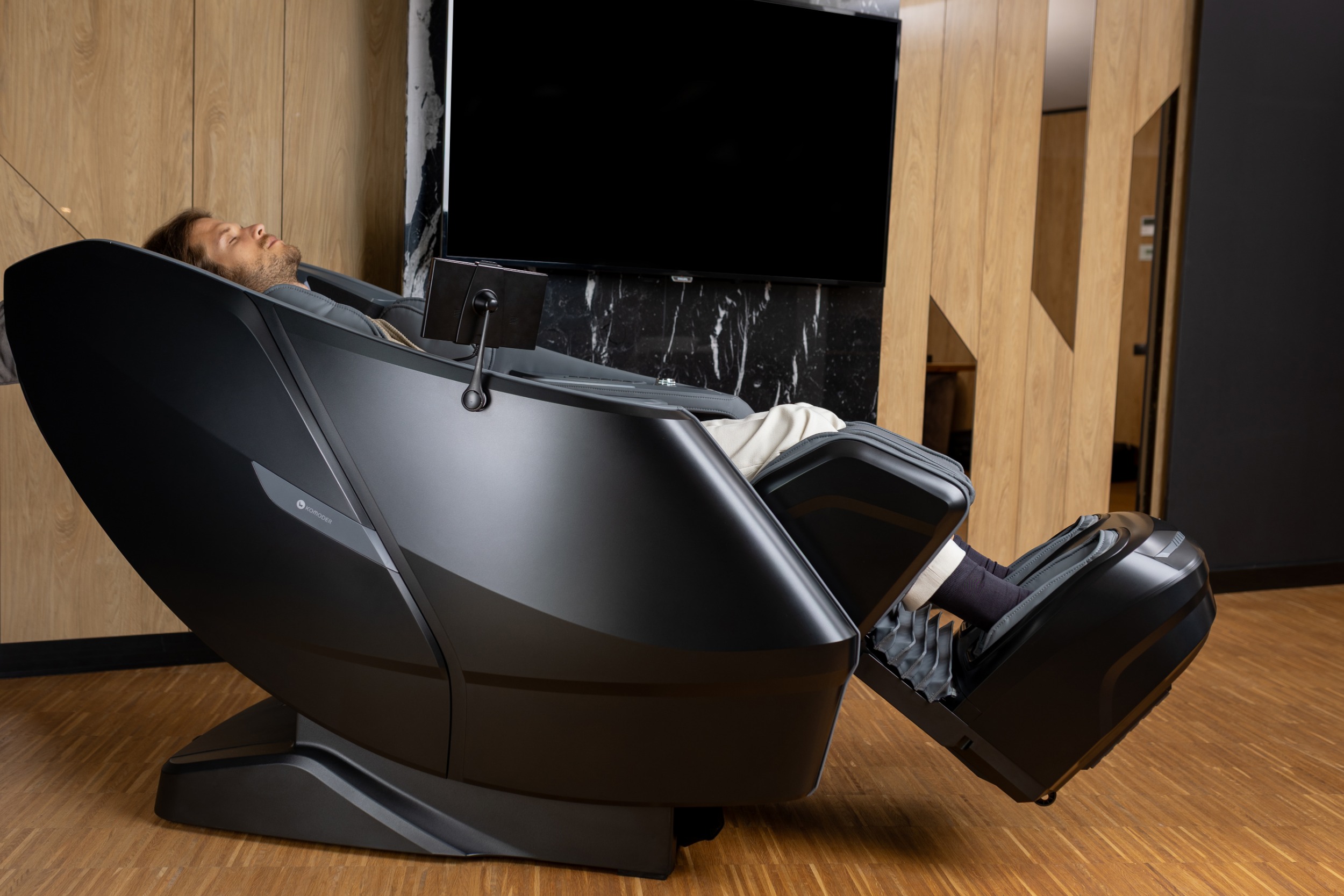
Bring Recovery Home With Komoder
Bring recovery home with a more considered approach to everyday wellbeing. Modern massage chair technology offers a refined way to experience comfort, relaxation and muscle support without leaving the home, blending convenience with a sense of luxury. Explore our full massage chair range to start creating a lifestyle rhythm of recovery and relaxation.
FAQs
How often should you get a sports massage?
How often you should get a sports massage depends on your activity levels, recovery needs and overall goals. For active individuals, a session every few weeks is typically enough to support muscle health and prevent building tension. If you are intensively training or in a recovery period, you may benefit from frequent treatments, while occasional sessions within a broader wellness routine suit general lifestyles.
How long does a sports massage last?
A sports massage can last anywhere from around 30 to 90 minutes, depending on individual needs and treatment focus. Most sessions are typically scheduled for about an hour to address key areas of tension and support overall muscle recovery. The ideal duration varies based on activity levels, training demands and whether the massage is for preparation, recovery or maintenance.
Is it normal to be sore after a sports massage?
Mild tenderness after a sports massage can be a normal response, especially when focused techniques are used to address areas of tension or muscle tightness. This temporary sensitivity occurs as the body adapts to the treatment and should subside in a day or two. As the muscles recover, many people notice improved comfort, flexibility and ease of movement.
How much does a sports massage cost in the UK?
A sports massage in the UK generally costs between £40 and £90 for a 60-minute appointment. Pricing is usually influenced by factors such as the practitioner’s qualifications, location, the duration of the session, and the level of tailored support offered, sometimes ranging up to £130+ for longer sessions.
Should you have a sports massage before or after training?
Whether a sports massage is best before or after training depends on your goals and the intensity of the session. If you are looking to support recovery and ease muscle soreness, try an after-exercise massage, whereas if you want to prepare the body by improving mobility and highlighting areas of tension, have a massage before training.
Can a massage chair replace a sports massage?
A massage chair does not replicate the hands-on expertise, adaptive techniques or precise soft-tissue work of a sports massage therapist. However, a massage chair offers a refined, at-home wellness solution that integrates seamlessly into modern living. It provides accessible, on-demand support and wellbeing in your space, complementing professional treatment, rather than replacing it.