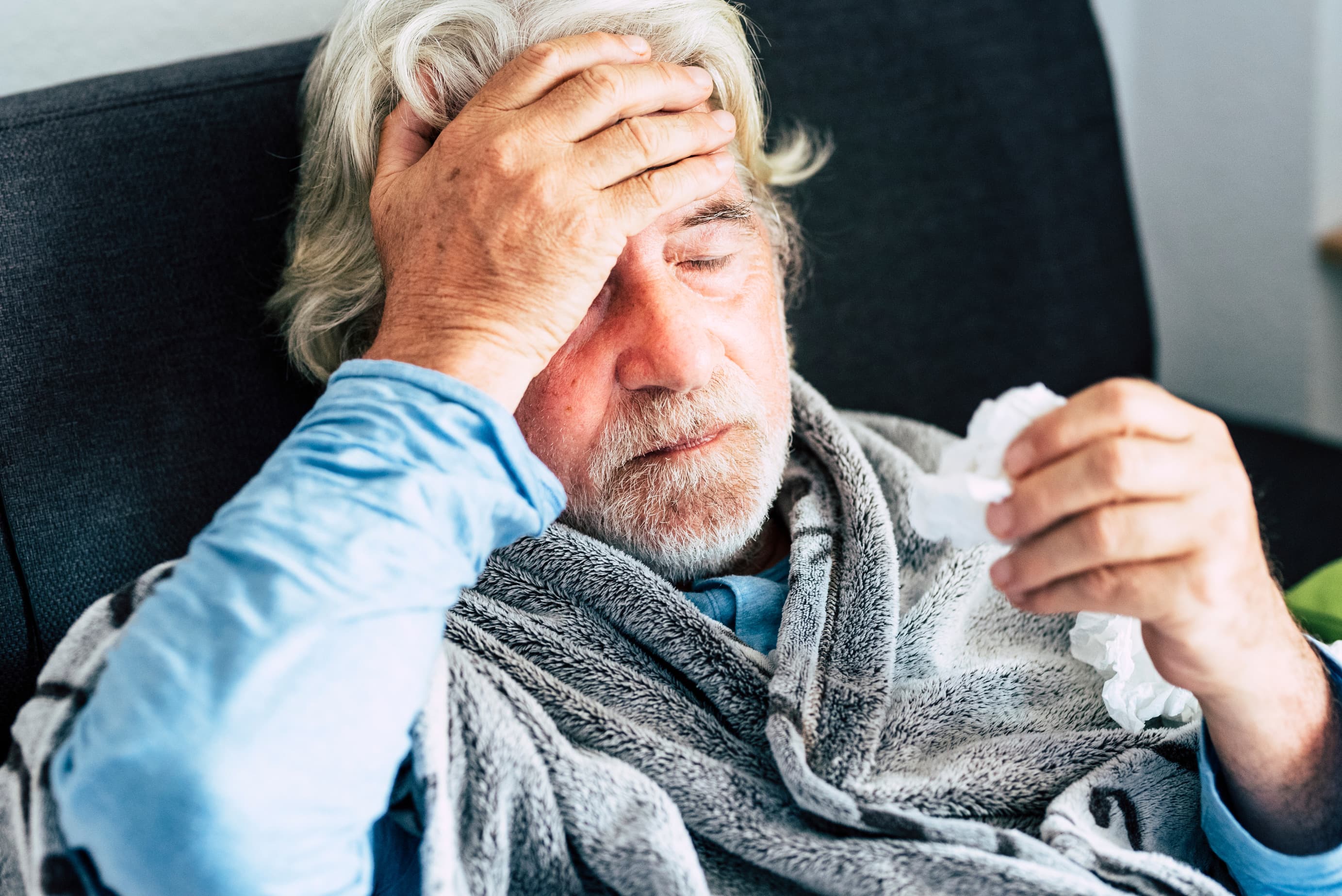
Massage can be safe when you are sick, provided your symptoms are mild and limited to above the neck, such as a stuffy nose or mild headache. However, avoid massage if you have a fever, significant symptoms below the neck, or may still be contagious, as rest and recovery should take priority.
Key Takeaways
- Gentle massage may be suitable when cold symptoms are mild and limited to above the neck.
- Avoid massage if you have a fever, significant fatigue, chest symptoms, substantial body aches or an active contagious illness.
- Massage may temporarily ease muscle tension, facial pressure and discomfort, while supporting relaxation and restful sleep.
- Sinus massage can provide temporary relief from facial pressure, but it does not treat an underlying infection or cure sinusitis.
- When you are unwell, prioritise rest, hydration and appropriate medical care over intensive massage or “detox” treatments.
Can You Have a Massage When You Are Sick?
Yes, you can have a massage when you are sick if your symptoms are mild and located above the neck, such as a runny or blocked nose, sneezing or a mild headache. A gentle massage may foster relaxation and ease some muscle tension while your body recovers.
The general answer to “does massage help when sick?” is to postpone your appointment if you have a fever, significant fatigue, body aches, chest congestion, vomiting or diarrhoea. You should also avoid massage while you are contagious to reduce the risk of passing the illness to your therapist or other clients.
What Are the Benefits of Massage When You Are Sick?
If your symptoms are mild and you are otherwise well enough for a massage, gentle treatment may facilitate feeling more comfortable while you recover.
Does massage help cold symptoms? If your symptoms are mild, potential benefits may include:
- Easing muscle aches and stiffness
- Making it easier to settle down for restful sleep
- Relieving tension around the neck, shoulders and face
- Supporting relaxation when you are feeling uncomfortable
- Providing temporary relief from some tension-related discomfort
Aches and Muscle Stiffness
Being sick can leave you feeling achy, tense or stiff, usually if you have spent more time resting in bed or on the sofa. Gentle massage may aid in loosening tense muscles and provide temporary relief from this discomfort. Techniques such as light kneading and broad, comfortable strokes can encourage relaxation without placing additional strain on the body.
However, massage is not a treatment for the underlying infection and should not be used to push through significant body aches or exhaustion. If muscle pain is widespread or accompanied by a fever, chills or marked fatigue, it is better to rest and postpone your appointment. To best address how to relieve body aches from cold, use a combination of pain relievers and heat therapy (bath or heating pad) to help mitigate muscle aches.
When you are feeling well enough for treatment, tell your therapist that you have been unwell so they can adjust the pressure and duration accordingly.
Sinus and Facial Pressure
A blocked or runny nose can sometimes create a feeling of pressure around the forehead, cheeks, temples and nose. Gentle sinus massage around the face, scalp, neck and shoulders may promote relaxation and temporarily ease some of the muscular tension associated with this discomfort. Some people also find light touch around the temples or forehead soothing when they have a mild headache linked to congestion.
A sinus massage for congestion may temporarily ease facial pressure or tension, but it cannot clear the underlying infection or cure sinusitis. Pressure should always remain gentle, particularly around the face and sinuses.
Note: If your facial pain is severe, persistent or accompanied by a high fever, significant swelling or other concerning symptoms, skip the sinusitis massage and consider speaking with a healthcare professional instead.
Sleep and Relaxation
Rest is an important part of recovering from illness, but congestion, muscle tension and general discomfort can make it harder to ease into deep relaxation. A gentle massage may contribute to relaxation by reducing physical tension and creating a calm environment. This can be useful if you are feeling restless or unable to transition into quality sleep.
Your massage should aim for relaxation, with slow, gentle techniques being more appropriate when you are under the weather, rather than deep-tissue work or vigorous massage. Massage should also not replace the basics your body needs while recovering, including adequate sleep, understanding the causes of poor sleep, fluids and appropriate care for your symptoms.
Note: If you feel increasingly tired, weak or unwell during a session, stop the treatment and prioritise rest.
When Should You Avoid Massage Completely?
Some symptoms mean it's best to avoid massage altogether. Postpone your appointment if you have:
- An active contagious illness
- A fever or elevated temperature
- Chills or pronounced body aches
- Chest congestion or breathing symptoms
- Symptoms severe enough that you would not feel well enough to work
Important Note: Avoid deep-tissue or otherwise intensive massage while you are ill. If you are experiencing significant symptoms, prioritise rest and recovery over a massage. When in doubt, postpone your appointment until you are feeling better and are no longer likely to pass your illness to others.
Will a Massage Make Your Cold Worse?
If you are wondering, “Will a massage make my cold worse?”, a gentle massage is unlikely to make a mild cold worse, provided you are well enough for treatment and do not have a fever or significant symptoms.
Massage does not treat the virus causing a cold, but gentle techniques may help you relax and temporarily ease muscle tension or discomfort. However, a massage that is too intense may leave you feeling more fatigued when your body is already using energy to recover. If your symptoms are worsening, you feel unusually weak, or you develop a fever, chest symptoms or significant body aches, it is better to postpone your appointment.
Do Massages Boost the Immune System?
Does massage boost the immune system? Massage may have short-term effects on some measures of immune function, but there is not enough evidence to say that massage boosts the immune system or assists the body in fighting off an infection.
Massage is better understood as a relaxation therapy, as it helps to reduce tension and promote relaxation. While it may support overall wellbeing, it should not be considered a way to prevent, treat or accelerate recovery from a cold or other illness. If you are already unwell, prioritising sleep, hydration and appropriate medical care is more important than seeking massage for an immune-system boost.
Does Massage Release Toxins When You Are Ill?
| Myth | Fact |
|---|---|
| “Massage releases toxins from your muscles and helps flush illness from the body” | Massage may support relaxation and temporarily ease muscle tension, but it does not cure an illness. |
|
|
How Do You Massage Your Sinuses at Home?
How to Massage Sinuses: Warm the area first and place a comfortably warm, damp flannel over your face for a few minutes before beginning. The gentle warmth can help you relax ahead of a sinus relief massage for a more soothing experience.
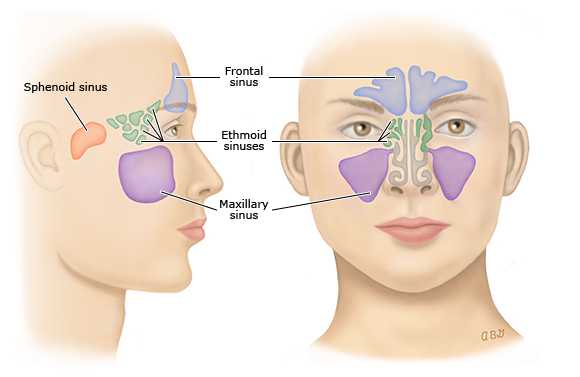
Frontal Sinus Massage
This type of nasal massage for congestion begins with a central focus, between the brow bones:
- Placement: Place the pads of your index or middle fingers just above the inner ends of your eyebrows.
- Direction: Using small, slow circular movements, work outward along the brow bone towards the temples.
- Pressure: Use light, comfortable pressure. The area should feel soothing, rather than tender or painful.
- Duration: Continue for around 30–60 seconds, repeating the outward movement several times.
Maxillary Sinus Massage
This sinus drainage massage supports discomfort around the cheek area:
- Placement: Place your index and middle fingers on the soft area of the cheeks, beside the nose and below the cheekbones.
- Direction: Make gentle circular movements, gradually working outward from beside the nose towards the cheekbones and ears.
- Pressure: Apply light pressure without pressing directly into the eyes, nostrils or any painful area.
- Duration: Massage for around 30–60 seconds on each side.
Ethmoid and Sphenoid Sinuses
For those experiencing discomfort around the eyes, this particular massage works on facial sinus acupressure points:
- Placement: Place your index fingers alongside the upper bridge of your nose, close to the inner corners of the eyes, then move your fingertips gently outward towards the temples.
- Direction: Begin with small, gentle downward and outward strokes along the sides of the upper nose. Continue towards the temples, finishing with slow circular movements at the temples and along the hairline.
- Pressure: Keep the pressure very light around the eyes and bridge of the nose. Avoid pressing directly on the eyes or applying firm pressure to the temples.
- Duration: Continue the sequence for approximately 30–60 seconds, moving slowly and comfortably between the nose and temples.
Pressure Points for Congestion
How do you drain your sinuses with massage? Gentle pressure around certain areas of the face may help relieve the sensation of nasal congestion and facial tension. Common areas include the points beside the nostrils, along the inner eyebrows and at the temples. Use the pads of your fingers to apply light, steady pressure or small circular movements for around 20–30 seconds at a time.
Note: The pressure should feel comfortable and soothing, never sharp or painful. Avoid pressing directly on the eyeballs, inflamed skin or tender areas. These techniques may provide temporary comfort by using massage to clear sinuses, but they do not clear an infection or replace appropriate treatment when congestion is severe or persistent.
Where Should You Massage When You Have a Cold?
When you have a mild cold and feel well enough for massage, applying gentle acupressure around the sinuses and other areas of tension may bring some relief, while other specific areas can also be targeted.
- Temples and Forehead: A light massage for headaches may help ease tension associated with headaches or facial pressure.
- Face and Jaw: Gentle movements can help relax facial muscles that may feel tense with congestion.
- Neck and Shoulders: A gentle massage for neck and shoulder pain may help ease muscle tension that can build up from resting, coughing or spending more time in bed.
- Upper Back: A gentle massage may soothe stiffness and general muscular discomfort.
- Hands and Feet: Soothing massage can promote relaxation and provide a calming sensory experience.
- Learn more about reflexology and pressure point massage, and depending on your symptoms, it may guide you towards answering whether can you get a massage when sick.
Can Lymphatic Drainage Massage Help When You Are Ill?
Should you do lymphatic drainage when sick? Lymphatic drainage massage is a gentle technique designed to assist the movement of lymph fluid, but it is not a treatment for colds, flu or other infections. If you feel unwell, especially if you have a fever or an active infection, postpone lymphatic drainage massage unless a qualified healthcare professional advises otherwise.
For mild symptoms, speak with your massage therapist about whether gentle lymphatic drainage massage is appropriate for your sinus symptoms.
Which Techniques and Oils Are Safe?
When you are mildly unwell, gentle massage techniques are generally more appropriate than deep or vigorous work. Light Swedish-style strokes, gentle kneading and soothing facial or scalp massage can welcome relaxation without placing unnecessary strain on the body. If using massage oils, choose a simple, skin-friendly carrier oil and avoid heavily fragranced products if you are sensitive to strong scents or experiencing nausea, headaches or respiratory symptoms.
Essential oils should be used cautiously and properly diluted, as oils labelled “natural” do not necessarily mean risk-free. Always let your therapist know about your symptoms and any skin sensitivities before treatment.
Can You Use a Massage Chair With a Cold or Flu?
This raises the question: can you use a massage chair when you have a cold? A massage chair may be suitable when you have a mild cold and feel well enough for gentle treatment, but it should not be used to treat the illness itself. Choose a light setting and a shorter session rather than intense massage if you are feeling tired or achy. Avoid using a massage chair if you have a fever, chills, significant weakness, chest congestion or other symptoms that make rest more appropriate.
Note: If you are contagious, using a massage chair in a shared public space could also expose others to your illness; waiting until you have recovered is a more considerate choice, or consider using massage chairs for home use.
When Should You See a GP?
A cold will often improve with rest and time, but some symptoms warrant medical advice rather than massage. Speak with your general practitioner if your symptoms are severe, getting worse, lasting longer than expected, or interfering significantly with your daily activities. Seek prompt medical attention for difficulty breathing, chest pain, confusion, severe dehydration or other concerning symptoms.
Ready to Feel Better at Home?
When you are feeling under the weather, small comforts can make rest and recovery feel a little more restorative. Prioritise sleep, hydration and gentle self-care, and when symptoms persist, see your doctor. For soothing at-home treatments when your symptoms are mild and your situation allows, browse our massage chairs.