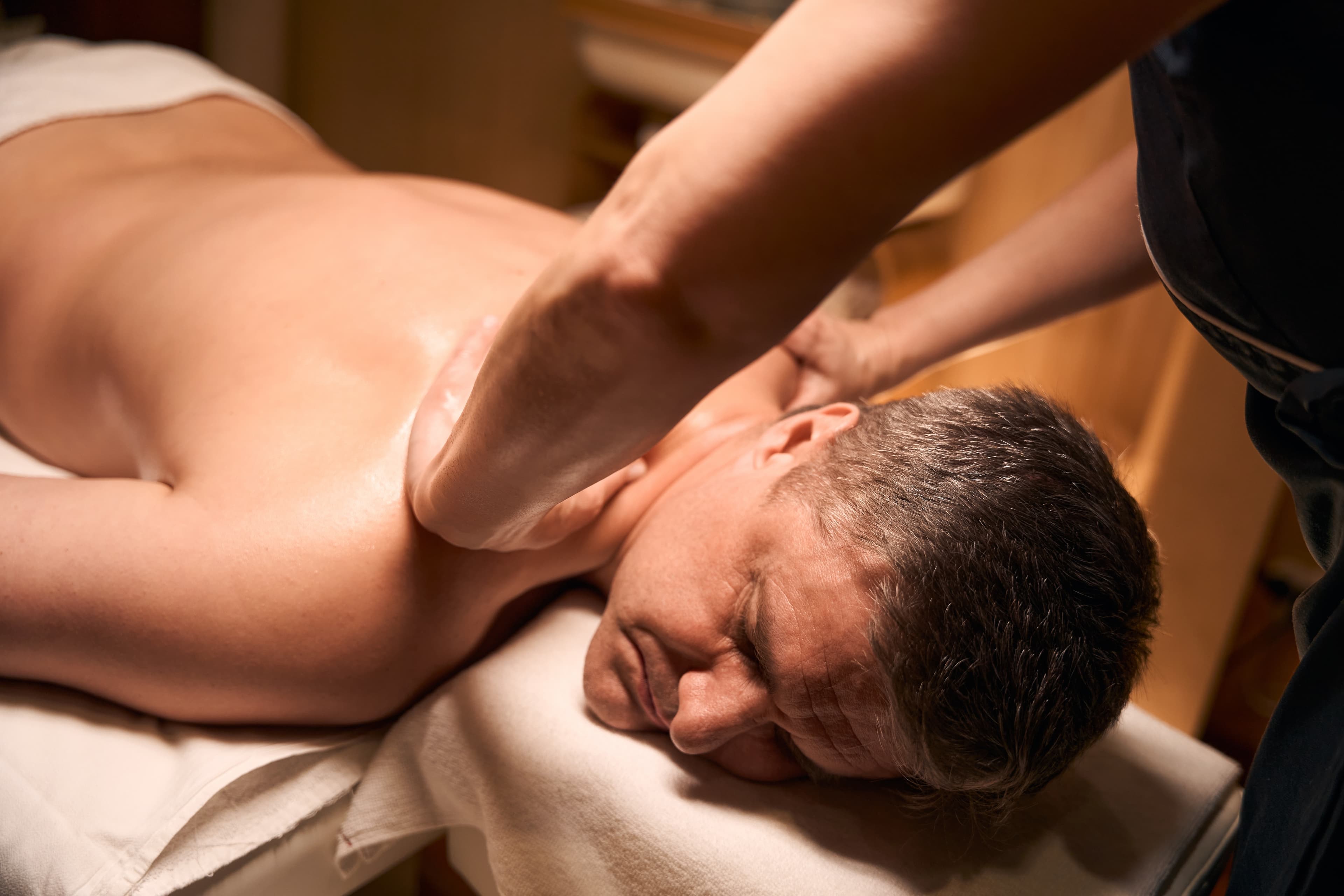
Autoimmune disorders are conditions where the immune system mistakenly attacks healthy cells in the body. These disorders can lead to inflammation, pain, and various symptoms that affect quality of life. While medications can help manage autoimmune conditions, many individuals are turning to massage therapy as a natural way to support inflammation reduction and overall well-being. In this article, we'll explore the role of massage in managing autoimmune disorders and its potential benefits.
What are autoimmune disorders and inflammations?
Autoimmune disorders occur when the body’s immune system attacks its own tissues, mistaking them for harmful invaders. This can lead to chronic inflammation, which damages healthy cells and tissues. Common autoimmune disorders include rheumatoid arthritis, lupus, multiple sclerosis, and psoriasis.
Inflammation is a key feature of these conditions, contributing to symptoms like pain, swelling, and fatigue. Managing inflammation is important for reducing symptoms and improving the quality of life for individuals with autoimmune diseases.
How chronic inflammation impacts the body
Chronic inflammation, often seen in autoimmune disorders, can have a widespread effect on the body. Over time, it can contribute to tissue damage, joint pain, and even impact organs like the heart and kidneys. Chronic inflammation also plays a role in exacerbating symptoms, making it harder for individuals to manage day-to-day activities. Left unchecked, inflammation can cause further complications, leading to more severe symptoms and greater discomfort.
How massage therapy benefits autoimmune conditions
Massage therapy has been shown to offer several benefits for individuals with autoimmune conditions. By promoting relaxation, improving circulation, and reducing muscle tension, massage can play an important role in supporting the management of autoimmune disorders.
Additionally, modern massage chairs, equipped with advanced features such as targeted pressure and heat therapy, provide a convenient at-home option for individuals seeking consistent relief. These chairs can simulate professional massage techniques, helping to ease muscle stiffness, reduce inflammation, and improve overall circulation, all of which are beneficial for managing autoimmune symptoms effectively.
Massage and the immune system
Massage therapy can positively influence the immune system by encouraging lymphatic drainage and reducing stress. A well-functioning lymphatic system helps clear out toxins and excess fluid, which can alleviate swelling and discomfort often associated with autoimmune disorders. Additionally, massage can help balance the immune response, allowing the body to focus on healing rather than inflammation.
Reducing inflammation through improved circulation
One of the primary benefits of massage is its ability to improve circulation. By stimulating blood flow, massage helps deliver oxygen and essential nutrients to tissues, supporting their repair and reducing inflammation. Improved circulation also helps remove metabolic waste products from the body, which can contribute to swelling and discomfort. This can be especially beneficial for individuals with autoimmune disorders who experience chronic inflammation.
Stress reduction and its role in managing autoimmune symptoms
Stress is a major trigger for autoimmune flare-ups, and managing stress effectively is essential for symptom relief. Massage therapy has been shown to reduce levels of cortisol, the body’s stress hormone, and promote relaxation. By alleviating stress, massage can help mitigate flare-ups and reduce the intensity of autoimmune symptoms. It also promotes a sense of overall well-being, which can support mental health and coping mechanisms.
Types of massage techniques for autoimmune disorders
Several massage techniques are particularly effective for individuals with autoimmune conditions. These methods focus on reducing pain, improving circulation, and supporting the immune system.
Lymphatic drainage massage
Lymphatic drainage massage focuses on stimulating the lymphatic system to help the body eliminate toxins and excess fluids. This technique can reduce swelling and improve immune function, making it beneficial for those with autoimmune conditions like rheumatoid arthritis or lupus. It’s a gentle and soothing approach to reducing inflammation.
Myofascial release for pain management
Myofascial release is a hands-on technique that targets the fascia, the connective tissue surrounding muscles and joints. This technique can release tension and pain caused by tight muscles or inflamed tissues. For individuals with autoimmune disorders that cause chronic pain and stiffness, myofascial release can provide significant relief and improve mobility.
Gentle swedish massage for relaxation
Swedish massage is a gentle form of massage that promotes relaxation by using long, smooth strokes. This technique is especially helpful for individuals with autoimmune conditions who may be sensitive to touch or experiencing pain. Swedish massage reduces muscle tension, promotes blood flow, and encourages deep relaxation, which can help manage stress and inflammation.
Can massage be a long-term solution for autoimmune disorders?
While massage therapy can be an effective tool for managing autoimmune disorders and inflammation, it is not a cure. However, regular massage sessions can serve as a long-term solution for reducing symptoms, managing pain, and improving overall well-being.
When combined with other treatments and lifestyle adjustments, massage can support the body’s natural healing processes and offer relief from chronic inflammation associated with autoimmune diseases. It’s important to work with healthcare providers to develop a comprehensive treatment plan that includes massage therapy for optimal results.
By incorporating massage therapy into a holistic approach to managing autoimmune disorders, individuals can experience significant improvements in their quality of life. Regular sessions can help reduce inflammation, relieve pain, and promote relaxation, offering a natural and effective complement to traditional treatments.