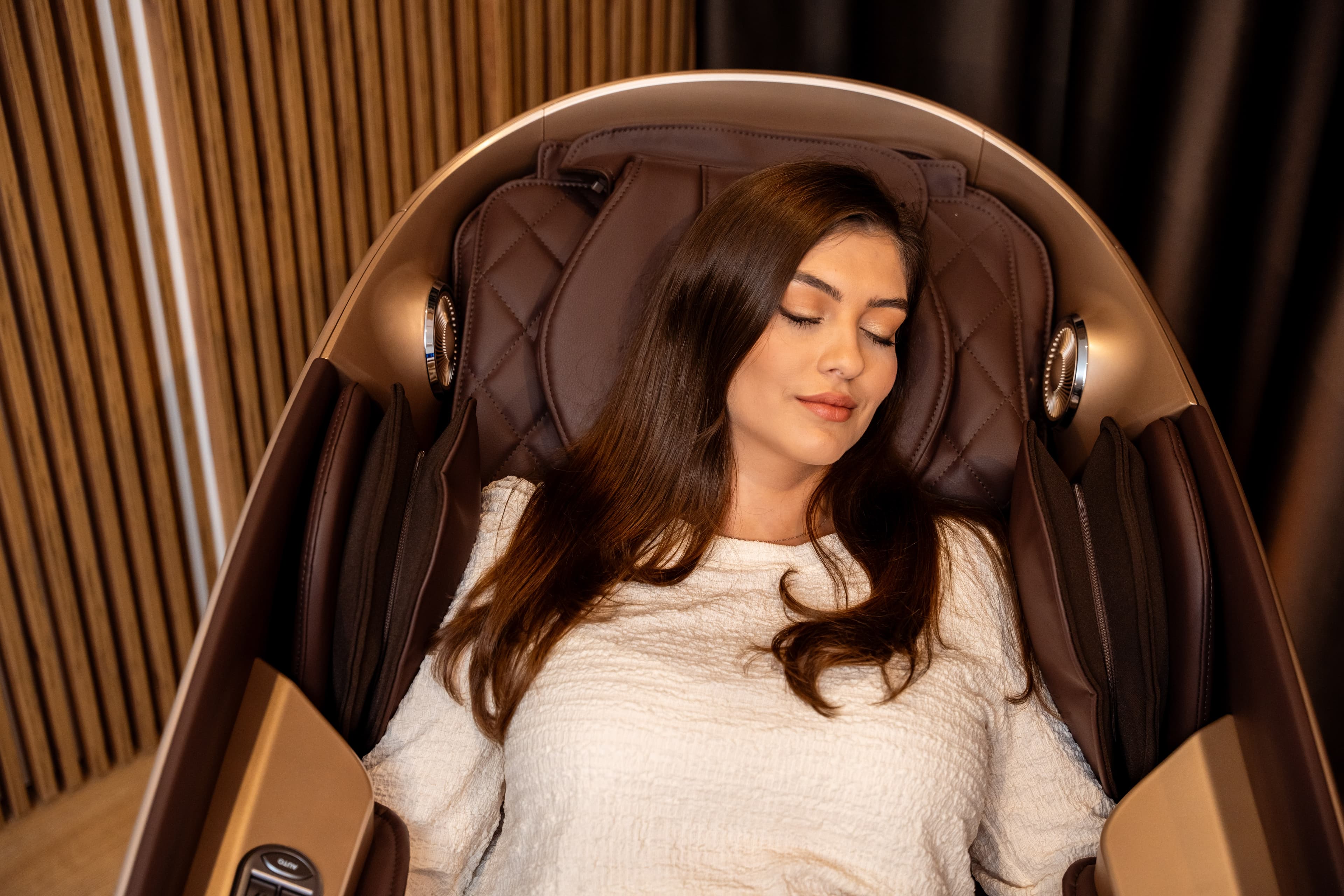
Relaxation isn't simply a feeling; it's a biological process. Understanding the connection between massage and the nervous system helps explain why it is one of the most effective ways to support this natural transition. Whether enjoyed through professional massage therapy or the consistent comfort of a luxury massage chair, regular massage can support both physical and emotional wellbeing. In this article, you'll learn how supporting your nervous system through regular massage can help you feel calmer, sleep better, and invest in your long-term wellbeing.
Key Takeaways
- Massage supports your nervous system by helping your body shift from fight- or-flight into a calmer rest-and-digest state.
- The body's relaxation response begins within minutes, with changes to heart rate, breathing, muscle tension, and mood occurring throughout a massage session.
- Regular massage may help relieve pain, reduce muscle tension, improve mobility, and support faster recovery by enhancing circulation and regulating the nervous system.
- Research suggests massage can lower cortisol levels while increasing serotonin and dopamine, helping support relaxation, emotional wellbeing, and better sleep.
- Consistent massage is key to long-term benefits, while a luxury massage chair makes it easy to enjoy a restorative massage from the comfort of home.
What Happens When You Receive a Massage
From the moment your body experiences the soothing touch of massage, it begins a remarkable series of physiological responses that promote relaxation, ease muscle tension, and support your nervous system. Although the full effects of a nervous system massage continue long after your session ends, many of the body's responses begin within minutes.
Here's what typically happens as your body relaxes and your nervous system shifts into a more restorative state:
| Stage | What Happens in Your Body | Approximate Response Time | Primary System Involved |
|---|---|---|---|
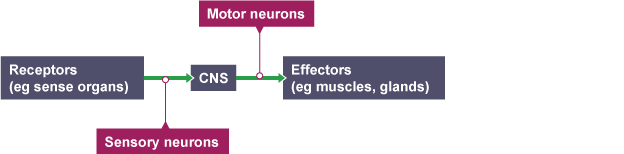
| 1. Sensory receptors are activated | Touch and pressure stimulate specialised receptors in the skin, muscles, and connective tissues, sending calming signals to the brain. | Within seconds | Sensory Nervous System |
| 2. Your body begins to leave fight-or-flight mode | The sympathetic nervous system (fight-or-flight response) becomes less dominant, while the parasympathetic nervous system (rest-and-digest response) becomes more active. | 1-5 minutes | Autonomic Nervous System |
| 3. Your muscles begin to release tension | As the nervous system relaxes, muscle fibres become less guarded, helping to reduce tightness and improve comfort. | 5-10 minutes | Muscular System |
| 4. Your heart rate and breathing naturally slow | Breathing becomes deeper and more regular, while heart rate may decrease as the body settles into a relaxed state. | 10-20 minutes | Cardiovascular & Respiratory Systems |
| 5. Your body releases feel-good chemicals | Levels of serotonin, dopamine, and endorphins may increase, while cortisol levels may begin to decline, contributing to improved mood and relaxation. | 15-30 minutes | Endocrine & Nervous Systems |
| 6. Your body enters a restorative state | With the parasympathetic nervous system in control, your body is better able to focus on recovery, digestion, tissue repair, and restorative sleep. | 30-60+ minutes | Whole Body Response |
What Happens in the Brain?
As signals from a soothing touch reach your brain, it begins interpreting the experience as safe and relaxing rather than stressful. This helps trigger the release of mood-supporting neurotransmitters while encouraging the body to transition into a calmer, more restorative state.
How Massage Affects the Nervous System
How does massage affect the nervous system? Massage does more than ease sore muscles; it influences one of the body's most important communication networks: the nervous system. By helping shift the body from an elevated state of stress into a calmer, more restorative mode, massage supports both physical and mental wellbeing.
Understanding these responses helps explain why regular massage can become an important part of a long-term wellness routine.
Central and Peripheral Nervous Systems
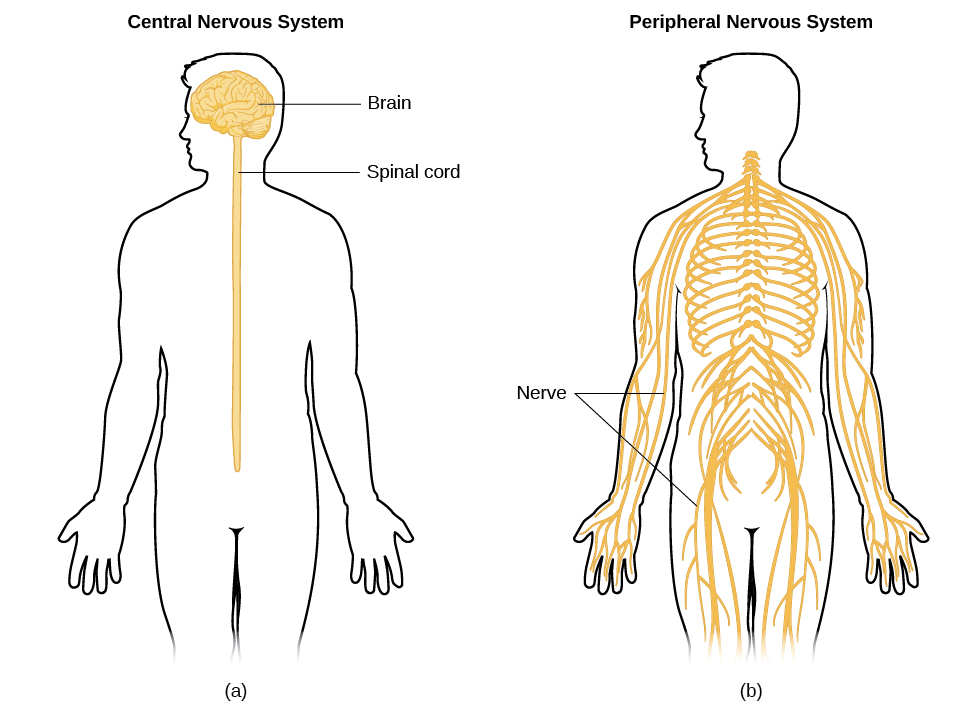
Your nervous system is divided into two main parts: the central nervous system and the peripheral nervous system.
- The Central Nervous System (CNS): Includes the brain and spinal cord, which act as your body's control centre, processing information and coordinating responses.
- The Peripheral Nervous System (PNS): Connects the brain and spinal cord to the rest of the body through a network of nerves that carry messages to and from your muscles, skin, organs, and joints.
Massage interacts with both main nervous systems through the power of touch. As pressure receptors in your skin and muscles are stimulated, the peripheral nervous system relays calming signals to the brain, which then sends messages back to the body that help reduce tension, encourage relaxation, and support overall wellbeing.
The Parasympathetic Response
One of the most important ways massage supports the nervous system is by activating the parasympathetic nervous system, often referred to as the body's rest and digest mode. As your body experiences the calming effects of a parasympathetic nervous system massage, it begins to shift away from the heightened alertness of the fight-or-flight response.
This process is closely linked to the vagus nerve, the body's longest cranial nerve, which helps regulate important functions such as heart rate, breathing, digestion, and relaxation. By encouraging healthy vagal activity (the body's natural way of promoting calm and recovery), massage helps support a balanced nervous system and creates the conditions for rest, repair, and recovery.
During this transition, massage activates the parasympathetic nervous system, helping your body to:
- Naturally slow heart rate and breathing
- Release muscle tension
- Redirect energy towards essential restorative functions, including digestion, tissue repair, and recovery
This calming response not only helps you feel more relaxed, but the experience also acts as a nervous system reset massage by supporting improved sleep, reducing stress, and promoting greater overall wellbeing over time.
Main Benefits of Massage for the Nervous System
When your nervous system is supported, the benefits of massage on the nervous system extend far beyond the massage itself. A calmer, more balanced nervous system can positively influence everything from your mood and sleep quality to your ability to recover from everyday stress.
Below are some of the ways regular massage helps nurture your nervous system and overall wellbeing.
Eases Pain Naturally
Massage helps ease pain by stimulating pressure receptors in the skin, muscles, and connective tissues, which send signals through the nervous system to the brain. These signals can help reduce the perception of pain while encouraging the release of natural pain-relieving chemicals, including endorphins.
At the same time, massage promotes healthy circulation, helping deliver oxygen and nutrients to tired muscles while supporting the removal of metabolic waste products (natural by products produced during muscle activity, such as carbon dioxide, excess fluid, inflammatory by products, and other metabolites) that can contribute to soreness.
Combined, these physiological responses help reduce muscle discomfort without relying solely on medication.
Relieves Facial and Muscular Tension
Massage gently stretches and manipulates soft tissues, helping reduce muscle tightness and improve flexibility. As tension is released, pressure on surrounding nerves may also decrease, allowing muscles to relax more fully and move with greater ease. Increased circulation delivers oxygen and nutrients to the affected areas, while aiding the elimination of metabolic waste products linked to stiffness.
These effects can overall help relieve tight shoulders, a tense jaw, facial muscle strain, and everyday muscular discomfort, leaving your body feeling lighter, more comfortable, and better able to move freely.
Increases Tissue Elasticity
As massage applies gentle pressure and movement to muscles, fascia, tendons, and other soft tissues, it helps to improve their flexibility and elasticity. By increasing circulation, these tissues receive a better supply of oxygen and nutrients, while applied warmth and movement help them become more pliable and responsive.
As tension decreases and mobility improves, the nervous system can also reduce the protective muscle guarding that often develops around tight or overworked areas. Together, these effects support a greater range of motion and more comfortable movement.
Supports Musculoskeletal Recovery
Massage also supports the musculoskeletal system by improving circulation to muscles, tendons, ligaments, and connective tissues. This increased blood flow helps deliver oxygen and nutrients needed for repair, while assisting the removal of metabolic waste products that can accumulate after physical activity or prolonged periods of tension. As muscles relax and the nervous system reduces protective muscle guarding, movement becomes more comfortable, and recovery can feel more efficient.
Whether you're recovering from exercise or simply managing the demands of everyday life, regular massage can help support healthy tissue function, reduce stiffness, and promote long term mobility.
Improves Reflexes and Mobility
Massage stimulates sensory receptors in the muscles, tendons, and joints that help the nervous system monitor body position and movement. As muscle tension decreases and tissues become more flexible, communication between the brain and body can become more efficient, allowing movements to feel smoother and more coordinated.
Improved circulation also supports healthy muscle function by delivering oxygen and nutrients where they're needed most.
Altogether, these effects can boost flexibility, increase range of motion, and support better balance, coordination, and everyday mobility.
Can a Massage Chair Help at Home?
A professional massage and a luxury massage chair each offer unique advantages. While a therapist can tailor treatment to your individual needs, a full body massage chair for home use provides convenient, on-demand access to nervous system regulation massage, making it easier to enjoy consistent support for your muscles, circulation, and nervous system.
Comparing Professional Massage vs Massage Chair Experience
| Nervous System Benefit | Professional Massage | Luxury Massage Chair |
|---|---|---|
| Eases Pain Naturally | Manual techniques target specific muscles and pressure points to: Help reduce discomfort Encourage the release of feel-good neurotransmitters | Consistent massage programmes help: Ease everyday aches Muscle tension Stiffness from the comfort of home |
| Relieves Facial and Muscular Tension | A therapist can adapt pressure and techniques to areas of tightness, including the: Jaw Neck Shoulders | Rollers, airbags, and targeted massage programmes help release built-up tension in commonly affected muscle groups, particularly the: Back Neck Shoulders |
| Increases Tissue Elasticity | Hands-on techniques stretch and mobilise soft tissues to improve: Flexibility Movement | Regular use helps keep muscles and soft tissues supple by: Encouraging gentle movement Increasing circulation |
| Supports Musculoskeletal Recovery | Personalised treatments can focus on: Overworked muscles Sports recovery Rehabilitation goals | Frequent sessions help support daily recovery by: Promoting relaxation Reducing muscle stiffness Encouraging healthy circulation between workouts or busy days |
| Improves Reflexes and Mobility | To support movement and body awareness, therapists can incorporate: Stretching Joint mobilisation | Regular massage helps: Reduce muscle tightness Supporting smoother movement, flexibility, and overall mobility |
| Activates the Parasympathetic Response | Soothing touch encourages the body to shift: From fight-or-flight mode Into rest-and-digest mode | Regular massage sessions help: Promote relaxation Support the body's natural recovery response whenever needed |
For the ideal massage chair for your needs or preferred experience, compare our massage chair models.
What the Research Says
Does massage calm the nervous system?
Research suggests that massage therapy can positively influence the nervous system by promoting relaxation, reducing pain, and supporting recovery. While results vary depending on the individual and the type of massage, a growing body of evidence indicates that massage can be an effective complementary therapy for both physical and mental wellbeing.
Some research highlights include:
- Massage Can Help Reduce Pain and Muscle Soreness: Massage therapy may provide short-term relief for musculoskeletal pain and reduce post-exercise soreness.
Key Finding: Up to 30% reduction in post-exercise muscle soreness following a 10-minute massage, in a study from the Journal of Athletic Training. - Massage Encourages the Body's Relaxation Response: Research suggests that autonomic nervous system massage may help encourage the body's natural relaxation response, specifically by increasing parasympathetic activity while reducing sympathetic activation.
Key Finding: Studies on manual therapies have shown that massage can increase parasympathetic or rest-and-digest activity, found in the International Journal of Osteopaththic Medicine. - Stress-management Techniques Can Lower Cortisol Levels: Relaxation-based interventions can produce measurable reductions in cortisol, the body's primary stress hormone, where massage is considered one of several relaxation approaches that may contribute to this response.
Key Finding: A 31% decrease in cortisol, the body's primary stress hormone, with increases in serotonin, the mood-balancing neurotransmitter (28%) and dopamine, the reward-motivating neurotransmitter (31%) after massage, published in the International Journal of Neuroscience.
| Statistic | Effect |
|---|---|
| 30% ↓ | Reduction in post-exercise muscle soreness* |
| 31% ↓ | Lower cortisol levels* |
| ~30% ↑ | Increase in serotonin and dopamine* |
| *Based on findings from published massage therapy research. | |
Overall, current research suggests that massage therapy offers measurable benefits for the nervous system, musculoskeletal system, and the body's stress response. While the results of massage to calm nervous system may vary depending on the individual and the type of massage, regular sessions may support relaxation, recovery, pain management, and overall wellbeing as part of a healthy lifestyle.
Ready to Support Your Nervous System?
Supporting your nervous system doesn't have to be limited to occasional spa visits or professional treatments. With a luxury massage chair, you can enjoy a restorative massage for stress and anxiety in the comfort of your own home, making it easier to relax, recover, and care for your wellbeing every day. Explore our range of premium massage chairs by booking a demo at our London store and discover how a regular sympathetic nervous system massage can become part of your long-term wellness routine.