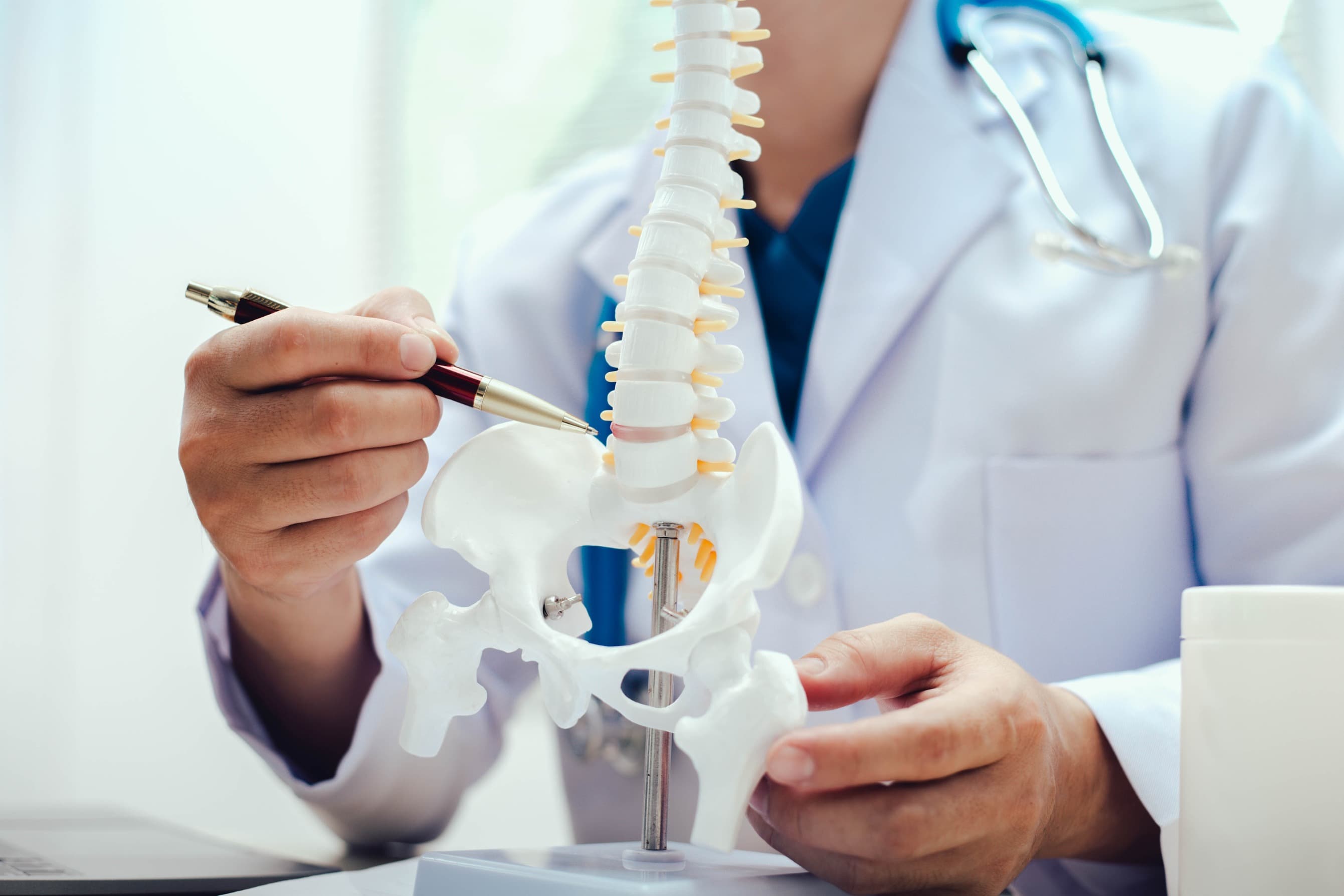
One of the common health issues faced by those who work in an office environment relates to problems with the spine. Spending long hours in front of a laptop starts to have a negative impact. Scoliosis is undoubtedly a frequently encountered condition among these individuals and not only them. To prevent such situations, as well as to stop existing ones from worsening, it is important to take specific measures.
One possible solution is the periodic use of a massage chair. Today, the market offers all sorts of high-performance models, capable of meeting even the most demanding requirements. Thanks to their advanced features and the technology used, massage chairs provide a range of benefits for the human body. If you are looking for such a device, the following article will help you with useful tips and recommendations that are important to consider.
The different spinal conditions and their massage requirements
Spinal health is a cornerstone of physical well-being, yet it's increasingly vulnerable due to modern sedentary lifestyles, poor ergonomics, and chronic conditions. Choosing the right massage chair for spinal issues requires a deeper understanding of how specific ailments affect the spine and what therapeutic interventions can support healing. Today’s massage chairs are not just luxury items. They are advanced tools that replicate human techniques, target key muscle groups, and adapt to the natural curvature of the body for customized spinal care.
Lower back pain and appropriate massage features
Lower back pain is among the most common musculoskeletal complaints. Whether it's triggered by muscle fatigue, poor posture, or degenerative disc conditions, managing this pain effectively calls for massage features that provide deep tissue kneading, consistent lumbar support, and gentle heating. The best chairs for lower back issues often combine rhythmic tapping and customizable roller pressure to stimulate blood flow and relax tight muscles. The aim is not aggressive manipulation, but targeted, controlled therapy that soothes and restores.
Herniated discs: special considerations for massage chair selection
Herniated discs involve the displacement of the inner disc material, which can press on spinal nerves and cause intense discomfort. For individuals with this condition, less is often more. Gentle, non-invasive massage settings are important, particularly those that promote spinal decompression. Chairs that offer zero gravity positioning and customizable roller depth reduce the spinal load, helping to alleviate pressure without triggering additional inflammation. The emphasis here is on comfort, not intensity.
Scoliosis and how certain massage techniques can help
Scoliosis, characterized by an abnormal sideways curvature of the spine, presents unique massage challenges. Tension in the muscles tends to be uneven, often requiring customized massage patterns that cater to the body's asymmetry. Ideal chairs for individuals with scoliosis feature body scanning technology and flexible massage programs that adapt to spinal irregularities. Functions such as mild stretching and targeted rolling can help alleviate muscle tightness and promote a sense of alignment and ease.
Cervical spine issues and neck support features
Neck pain, often stemming from cervical disc problems, poor head posture, or tech-related strain, demands precision therapy. The upper spine is sensitive, and proper neck support is essential. Massage chairs for home designed to relieve cervical discomfort often include height-adjustable rollers, dedicated neck airbags, and fine-tuned kneading options. Additionally, features like adjustable headrests and the ability to control roller movement in the upper back ensure safe and effective relief for this delicate region.
Essential massage chair features for spine health
Beyond the nature of the condition itself, the success of spinal massage therapy also depends heavily on specific design and technology elements. The right combination of track systems, roller mechanics, and body support structures can significantly enhance spinal wellness.
S-Track vs. L-Track designs: which is better for your spine?
Massage chairs typically incorporate either an S-track or an L-track design. An S-track follows the natural curve of the spine, offering consistent roller contact from the neck to the lower back. It’s especially useful for mid-to-upper spine issues. An L-track, meanwhile, extends further, continuing into the gluteal and upper hamstring areas. This provides more comprehensive muscle coverage and is beneficial for those seeking relief that encompasses both the back and lower body. Some chairs combine these into a hybrid SL-track for an even more effective experience.
Zero Gravity positioning and its impact on spinal decompression
Zero gravity positioning elevates the legs in alignment with the heart, reducing the strain of gravity on the spine. This posture is widely used to relieve pressure on vertebrae and enhance relaxation. For individuals suffering from spinal stenosis, disc issues, or chronic back tension, this feature can offer meaningful decompression and improved circulation. Multiple recline angles further personalize the experience, allowing users to find the most therapeutic position.
3D vs. 4D rollers: the difference in therapeutic effectiveness
Roller mechanisms are central to the effectiveness of any massage chair. While traditional 2D rollers move vertically and horizontally, 3D rollers add depth, allowing them to press more deeply into muscle tissue. 4D rollers take it a step further by varying speed, rhythm, and intensity, simulating a more lifelike massage. For those with chronic spinal pain or muscular imbalances, 4D technology provides a dynamic, responsive experience that closely mirrors hands-on professional therapy.
Heat therapy options for spinal muscles
Heat therapy enhances the muscle-relaxing effects of massage by improving blood flow and reducing stiffness. Modern chairs often include heating zones in the lumbar, thoracic, and cervical areas, which can be controlled independently. This allows users to apply heat where it's needed most, whether it's lower back tension after a long day or chronic neck stiffness. Heat, when combined with gentle massage, can lead to longer-lasting relief and improved muscle elasticity.
Customisation capabilities critical for spinal conditions
No two bodies are exactly alike, and this is especially true for those dealing with spinal conditions. Customisation is not just a luxury. It’s a necessity for safe and effective therapy. A well-designed chair should be able to adapt to the user's specific anatomical and therapeutic needs.
Intensity adjustment range: why it matters for sensitive spines
For individuals with sensitive spines or inflammatory conditions, pressure that’s too intense can do more harm than good. That’s why having a broad intensity range is vital. The ability to switch between light touch and deep kneading allows users to adjust based on their daily condition. Some chairs offer area-specific controls, letting users apply deeper pressure in some areas (like the lower back) and gentle massage in others (such as the neck or shoulders).
Spot massage functions for targeted relief
Chronic pain doesn’t always affect the whole back. It often concentrates in specific trigger points. Spot massage functions allow users to isolate and address these areas without running an entire massage cycle. This is especially useful for individuals who experience tension after work, have recurring muscle knots, or suffer from localized discomfort due to postural imbalances.
Body scanning technology: ensuring proper alignment
Body scanning systems in modern massage chairs use sensors to detect the user’s height, shoulder position, and spinal shape before the massage begins. This ensures the rollers follow the correct path, applying pressure accurately and safely. For users with spinal deviations or muscle asymmetries, accurate scanning is crucial. It not only enhances effectiveness but also prevents misaligned pressure that could exacerbate existing conditions.
Comparing top models for spinal health in the UK market
With the rising popularity of home wellness solutions, the UK market has seen a surge in high-quality massage chairs, particularly from reputable brands like Komoder. These models are specifically engineered for spinal care, offering unique features to support a range of conditions.
Best overall Komoder chairs for comprehensive spine care
The Komoder VELETA II stands out for its integration of 4D roller technology, intelligent body scanning, and full-body L-track design. It includes multiple zero gravity positions, advanced lumbar heating, and a stretch function tailored for spinal decompression. Its intuitive interface allows users to select from doctor-designed programs specifically targeting back pain, sciatica, and cervical discomfort.
Komoder budget-friendly options that don't compromise on spine support
For those on a tighter budget, the Komoder TITAN offers a solid selection of spine-supportive features without breaking the bank. While it lacks 4D rollers, it compensates with a reliable 3D system, ergonomic S-track design, and adjustable intensity levels. The TITAN also includes basic heat therapy and zero gravity positioning, making it a worthy entry-level investment for mild to moderate spinal conditions.
Komoder premium models with advanced spinal care technology
At the premium end, the THERAPEUTIX DUAL CORE Massage Chair exemplifies what high-end therapeutic chairs can offer. This model is equipped with multi-zone heating, AI-driven body scanning, SL-track mechanics, and real-time adjustment based on muscle feedback. It's designed for individuals who suffer from multiple spinal issues or seek a medically-informed massage experience with maximum customisation.
Choosing the right massage chair for spinal conditions isn't simply about luxury. It's about investing in a tool that can significantly improve quality of life. By understanding the nuances of different spinal ailments and matching them with the right features, you can find relief, restoration, and long-term support for your spinal health.