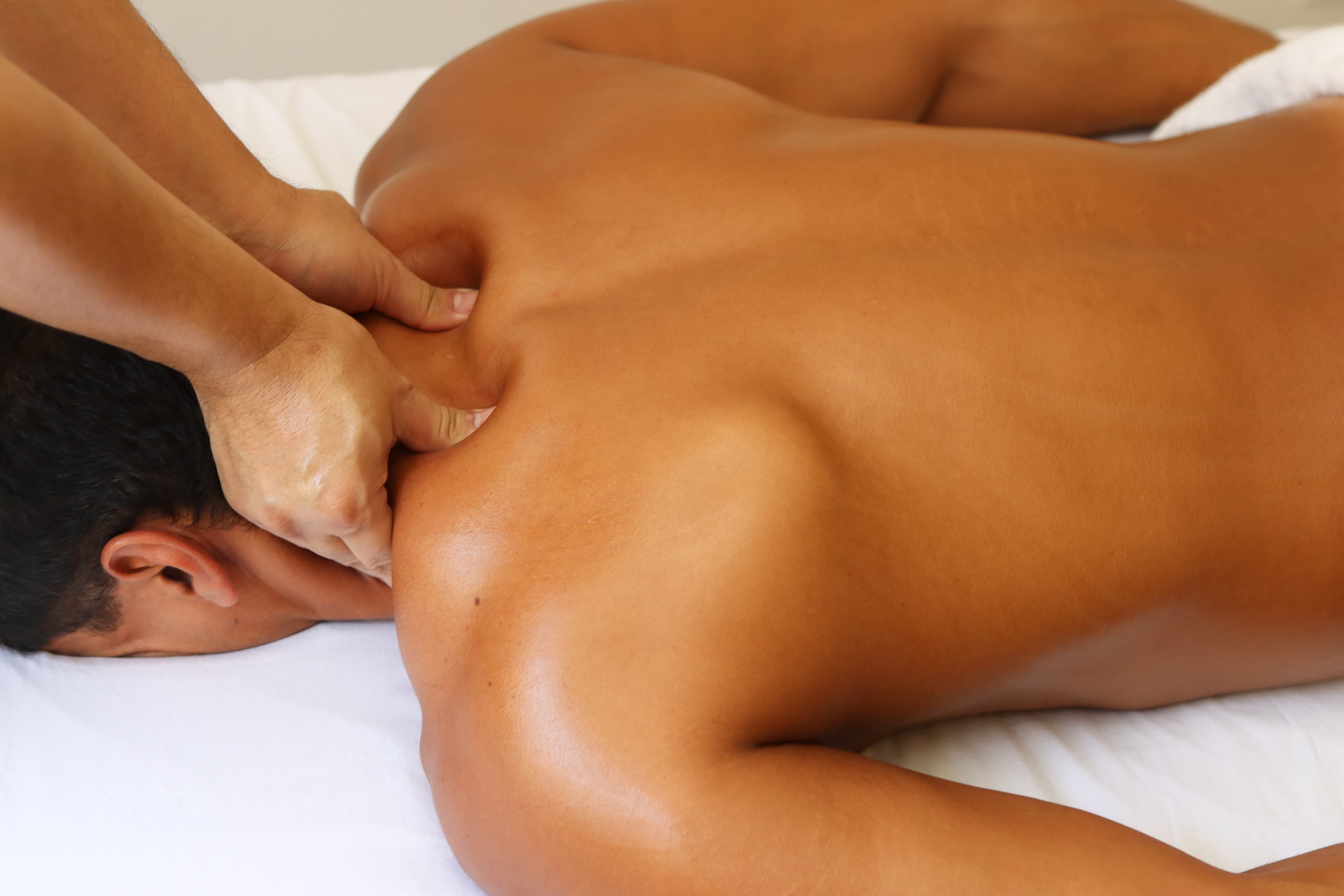
Deep tissue massage may be better suited to stubborn muscle pain, chronic tension and injury recovery, while Shiatsu can be a good choice for stress, general tension and relaxation or sleep support. Unlike deep tissue massage, Shiatsu is performed through clothing and typically uses no massage oil.
Key Takeaways
- Deep tissue massage uses slow, firm pressure to target deeper muscle tension, stiffness and discomfort.
- Shiatsu uses rhythmic pressure, stretching and movement and is usually performed through clothing without massage oil.
- Deep tissue massage may suit persistent muscle tension or post-training soreness, while Shiatsu may be preferable for stress, relaxation and general tension.
- Neither massage should be painful, although temporary soreness or tenderness can occur after treatment.
- Massage chairs can reproduce elements of both techniques through roller, airbag, pressure and 3D depth settings, but cannot fully replicate a therapist’s hands-on treatment.
What Is the Difference Between Deep Tissue and Shiatsu?
The main differences between shiatsu and deep tissue massage are how pressure is applied and the type of experience each one provides. Deep tissue massage uses slow, firm strokes and sustained pressure to target deeper layers of muscle and connective tissue, while a Shiatsu massage therapist or Shiatsu massage chairs may use rhythmic pressure, stretching, and other techniques along the body.
You can differentiate them by:
- Deep Tissue Massage: This technique uses firm pressure and slow strokes to reach deeper layers of muscle. It can be used to relieve persistent muscle tension, stiffness or discomfort. The therapist may use their hands, fingers, elbows or forearms to apply targeted pressure, often working directly on the skin with massage oil or lotion.
- Shiatsu Massage: Rooted in traditional Japanese medicine, Shiatsu (shee-AHT-soo, shi = finger; atsu = pressure) involves applying pressure to specific points on the body using fingers, palms, and elbows. This technique aims to balance energy flow, promote relaxation and ease tension. It is normally performed through loose, comfortable clothing and does not require massage oil.
Deep Tissue vs Shiatsu at a Glance
Refer to this comparison table to see how Shiatsu vs deep tissue massage styles differ and which may better suit your needs:
| Aspect | Deep Tissue | Shiatsu | Best For |
|---|---|---|---|
| Technique | Slow, firm strokes and sustained pressure | Rhythmic pressure, stretching and finger/palm pressure | Depends on your goals |
| PressureLevel | Firm to deep Focused, deeper pressure targeting muscles and connective tissue | Light to firm Rhythmic pressure applied to specific points and areas | Stubborn tension: Deep tissue General tension and relaxation: Shiatsu |
| Clothed or Oiled | Performed on bare skin with massage oil or lotion | Performed through loose, comfortable clothing No oil typically needed | Personal preference and comfort |
| Session Length | Around 30–90 minutes | Around 30–90 minutes | Shorter sessions: For targeted work Longer sessions: for full-body treatment |
| What it Targets | Muscle knots, chronic tension, stiffness and areas of muscular discomfort | Stress, general tension and areas of physical tightness | Deep tissue: Muscle-focused concerns Shiatsu: Relaxation and whole-body tension |
| Typical Cost | Varies by location, therapist and session length About £60–£85 for 60 minutes | Varies by location, therapist and session length About £50–£85 for 60 minutes | Compare like-for-like session lengths Prices vary by location, therapist and setting |
For further information, learn more about the differences between Shiatsu, Thai and Swedish compared.
What Is Deep Tissue Massage Best For?
Deep tissue massage may be suited to people experiencing:
- Stiffness and restricted movement
- Areas of chronic muscular discomfort
- Persistent muscle tension or tightness
- Muscle soreness after physical activity
Deep tissue massage uses slower strokes and sustained, targeted pressure to work on deeper layers of muscle and connective tissue. It is commonly chosen when a lighter massage does not provide enough pressure to address areas of persistent tension or stiffness.
The treatment can be especially useful for focusing on specific problem areas rather than providing a purely relaxation-focused experience. Pressure can be adjusted during the session based on comfort, and deeper pressure should not be assumed to be more effective or necessary for everyone. Discover more about the benefits of deep tissue massage to determine if it may suit your needs.
What Is Shiatsu Massage Best For?
Shiatsu massage may be more suited to people experiencing:
- Everyday stress or feelings of tension
- General muscle tightness or stiffness
- Difficulty when relaxing or winding down
- A preference for massage performed through clothing
Shiatsu uses rhythmic pressure, stretching and gentle movement to work across the body, with pressure applied using the fingers, thumbs and palms. Rather than focusing solely on deep muscle pressure, the treatment takes a broader approach that can promote relaxation and help ease areas of physical tension.
As Shiatsu is traditionally performed through loose, comfortable clothing without massage oil, it can also appeal to people who prefer a less hands-on or oil-free massage experience. Pressure and techniques can be adapted to suit individual comfort levels. Explore more about what Shiatsu therapy involves to inform your next massage session choice.
Which One Should You Choose?
When it comes to deciding between Shiatsu vs deep tissue massage, your choice may depend on what you want from the session, where you are experiencing discomfort, and how much pressure you prefer. The following scenarios can help you identify which approach may better suit your needs.
If You Have Chronic Pain or Muscle Knots
Considering Shiatsu or deep tissue for back pain? If persistent muscle tension, stiffness or knots are your main concerns, deep tissue massage may be more appropriate. Its slower strokes and sustained pressure are designed to work on deeper layers of muscle and connective tissue, allowing the therapist to focus on specific areas. However, massage is not a substitute for medical assessment when pain is persistent, severe or unexplained.
Verdict: Deep tissue may be a better fit for persistent, muscle-focused tension.
If You Are Stressed or Sleeping Badly
If stress is making it difficult to relax or wind down for sleep, Shiatsu may be worth considering. Its rhythmic pressure, stretching and flowing movements can create a calming experience without the deeper, more targeted pressure associated with deep tissue massage. Shiatsu is also performed through clothing, making it convenient if you prefer not to undress or use massage oil.
Verdict: Shiatsu may suit a relaxation-focused massage when stress is the main concern.
If You Are Recovering From Sport or Training
For people who regularly exercise or train, the choice may depend on what their body needs at the time. Deep tissue massage can be used to address areas of persistent muscular tightness or soreness, while Shiatsu offers a gentler, broader approach involving pressure and stretching. Neither should be used to push through an acute injury or significant pain.
Note: If you are recovering from an injury, consult an appropriate healthcare professional before using massage as part of your recovery.
Verdict: Deep tissue may suit targeted muscular tension, while Shiatsu may suit relaxation and general post-training tension.
Does Either Massage Hurt?
Neither deep tissue nor Shiatsu massage should be painful, although deep tissue massage can feel intense or uncomfortable when firm pressure is applied to tight muscles. Shiatsu may also create pressure or mild discomfort as the therapist works on areas of tension, but you should not feel sharp or severe pain. Tell your therapist if the pressure feels too strong so they can adjust the technique.
Are There Side Effects to Know About?
A few things to keep in mind ahead of your massage experience:
- Mild muscle soreness or tenderness can occur after either massage and may settle within a day or two.
- Deep tissue massage can occasionally cause bruising when firm pressure is used.
- Avoid either massage if you have a fever, an acute infection, an open wound or a recent injury that has not been assessed.
- Speak with a healthcare professional before having a massage if you have a medical condition, are taking medication that affects bleeding, or are unsure whether massage is appropriate for you.
Can a Massage Chair Do Both?
A massage chair can reproduce some of the pressure and movement associated with deep tissue and Shiatsu massage, but it cannot fully replicate a hands-on treatment. The capabilities of massage chairs for home use depend on their rollers, programmes and pressure settings.
| What a Massage Chair Reproduces Well | What It Cannot Fully Replicate |
|---|---|
| Shiatsu-inspired roller and airbag mechanisms can provide rhythmic pressure, kneading and compression. | A therapist's ability to assess your muscles by touch and the precise finger, thumb and palm pressure of a trained Shiatsu therapist. |
| 3D roller technology and adjustable depth settings can move the rollers forwards and backwards to increase or reduce the intensity of pressure. | A therapist's ability to feel muscle tension and adjust pressure and technique in response. |
| Repetitive pressure along the back and other areas | Precise adjustments based on how your body responds |
| Different pressure levels and massage programmes | The highly targeted pressure of an experienced therapist's hands, thumbs or elbows |
| Stretching or compression features on some models | A fully personalised treatment that changes throughout the session |
| Consistent massage at home without an appointment | Professional assessment of pain, injury or other underlying concerns |
Ready to Try Both at Home?
Ultimately, the best choice depends on your personal health needs and preferences. For many individuals, alternating between the two techniques can provide a well-rounded approach to wellness, and a massage chair can bring elements of both deep tissue and Shiatsu-inspired massage into your home, with adjustable programmes, roller pressure and airbag compression to suit different preferences. If you enjoy targeted, deeper pressure as well as gentler rhythmic massage, browse our massage chairs with adjustable 3D roller depth and multiple programmes for greater flexibility.