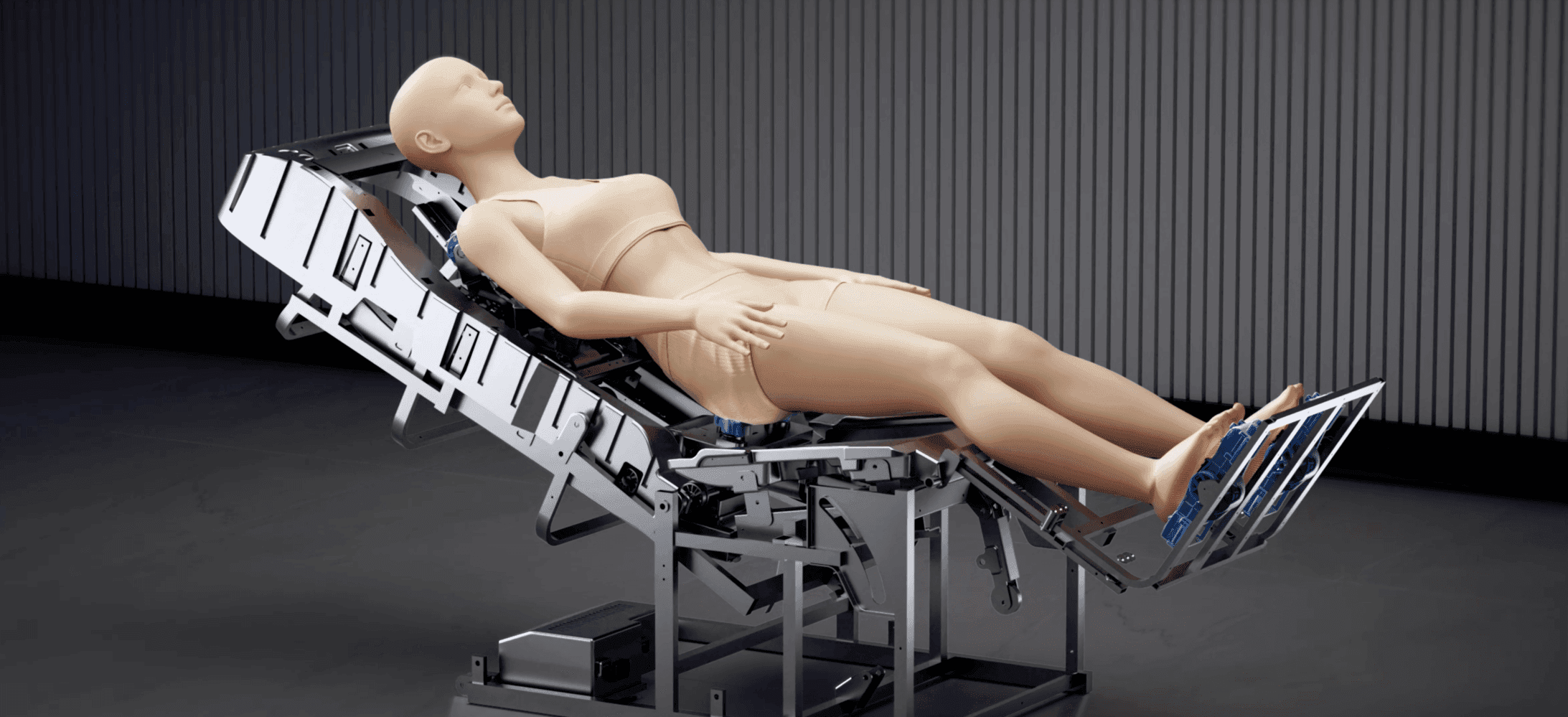
When it comes to health, it's important to take all necessary measures to keep problems at bay. In this regard, massage chairs for home or for business play an important role. They can help avoid long-term medical costs by preventing and alleviating common physical and psychological conditions. Thanks to their functions, they help relax tense muscles, reduce inflammation, and improve mobility. Another benefit is that they enhance blood circulation. Moreover, incorporating this habit into your lifestyle helps lower cortisol (the stress hormone) levels and increases serotonin and dopamine levels.
The rising healthcare costs in the UK and how preventative wellness matters
The UK's National Health Service (NHS) is under mounting pressure due to increasing demand, an ageing population, and soaring treatment costs. In 2023, the UK government allocated approximately £160 billion to the NHS, and the figure is expected to grow. Chronic conditions such as musculoskeletal disorders, especially back pain, significantly contribute to this financial burden. Preventative wellness strategies are gaining traction as a solution to this crisis. Rather than reacting to illness, investing in proactive health measures, such as proper ergonomics, stress reduction, and physical therapy, can alleviate the strain on public health services. Massage chairs, once considered a luxury, are emerging as a practical tool in this preventative health ecosystem.
Statistics on back pain treatment costs in the UK
Back pain is the leading cause of disability in the UK, affecting nearly 8 million people annually. According to the Office for National Statistics (ONS), musculoskeletal issues are responsible for over 30 million working days lost each year. The economic impact is profound:
- The NHS spends around £1 billion annually treating back pain.
- Indirect costs, including lost productivity and benefits, are estimated at over £10 billion.
- The average physiotherapy course can cost between £300-£600 per patient.
Clearly, there is both a health and economic incentive to reduce these figures through preventative care.
Understanding the initial investment in quality massage chairs
Modern massage chairs are technologically advanced, providing functions that replicate professional therapeutic techniques such as shiatsu, kneading, tapping, and air compression. While the upfront cost might seem steep, understanding the categories and long-term value changes the equation.
Price ranges for different categories of therapeutic massage chairs
Massage chairs vary significantly in features and price:
- Entry-Level Chairs (£500 - £1,200). Basic models with limited programs and manual controls.
- Mid-Range Chairs (£1,200 - £3,000). Enhanced features like zero-gravity positioning, heat therapy, and full-body coverage.
- High-End Chairs (£3,000 - £6,000+). Advanced models with AI body scanning, multiple massage styles, Bluetooth connectivity, and ergonomic design for daily therapeutic use.
Investing in a high-quality chair ensures durability, superior therapy, and a comprehensive wellness solution at home.
Comparing professional massage services costs to one-time chair investment
A typical professional massage session in the UK costs between £50 and £80. For someone seeking weekly treatment, this equates to £2,600 - £4,160 annually. Over five years, this totals up to £13,000 - £20,800.
In contrast, a one-time purchase of a top-tier massage chair (around £4,500) represents significant savings over time, especially for individuals with chronic pain or high stress levels.
Quantifiable health benefits that translate to financial savings
In an age when wellness and preventive care are taking center stage, massage chairs are emerging as more than a luxury. They’re becoming a smart health investment. Once seen as high-end gadgets for relaxation, these advanced devices are now proving their worth with real, measurable health benefits that can contribute to reduced medical costs and a better quality of life.
One of the most immediate advantages of using a massage chair regularly is relief from back and neck pain, two of the most common complaints among adults, especially those with sedentary lifestyles. By targeting deep tissue and realigning posture, massage chairs help alleviate chronic tension and muscular stiffness. The result is less reliance on pain medication or costly physiotherapy sessions.
Stress management is another area where massage chairs shine. Daily use can significantly reduce cortisol levels, helping users feel calmer and more focused. For many, this can mean fewer therapy appointments, lower use of anti-anxiety medications, and an overall improvement in mental wellbeing, all from the comfort of home.
The effects of reduced stress also extend to sleep. Regular massage therapy promotes deeper, more restorative sleep by calming the nervous system and releasing tension accumulated throughout the day. Better sleep means stronger immunity, increased energy, and fewer sick days, benefits that ripple across both personal health and professional productivity.
Improved circulation is yet another health perk. Through consistent, gentle stimulation of muscles and soft tissues, massage chairs encourage better blood flow. This not only helps with cardiovascular health but also supports faster muscle recovery after physical activity, reducing downtime and risk of injury.
And perhaps one of the most understated benefits is the impact on the immune system. A combination of reduced stress and enhanced circulation helps the body better defend itself against illness. In practical terms, this can translate into fewer visits to the doctor and a greater sense of resilience.
What sets massage chairs apart is their accessibility. Unlike scheduling and paying for regular spa appointments, a massage chair is available at any time. Whether after a long workday, during a lunch break, or before bed. It’s a consistent, convenient, and long-term ally in personal healthcare.
Workplace benefits and return on investment
Employers are beginning to recognize the role of wellness tools like massage chairs in improving workplace productivity and reducing absenteeism. Businesses that invest in employee wellness often see.
- Lower absenteeism rates: healthier employees take fewer sick days.
- Increased productivity: reduced stress and pain mean sharper focus and better performance.
- Boosted employee morale: offering wellness perks like massage chairs enhances job satisfaction and retention.
Some companies have even installed massage chairs in break rooms or wellness areas, providing accessible relief to employees without ongoing therapist fees.
Long-term financial projection: break-even analysis
A break-even analysis shows the point at which an investment pays for itself. With massage chairs, this happens faster than many expect.
The 5-year cost comparison: regular massage therapy vs. massage chair ownership
Let’s take a practical example:
- Professional Massage (Weekly at £60): £60 x 52 weeks = £3,120/year. Over 5 years = £15,600.
- Massage Chair Investment (High-End Model): £4,500 one-time purchase + £500 maintenance over 5 years = £5,000.
- Savings: £10,600 over 5 years.
Additionally, with unlimited daily use, massage chairs offer more value and flexibility than scheduled appointments.
Making the right investment: how to choose the most cost-effective model
Choosing the right massage chair ensures maximum health benefit and financial return. It’s important to balance cost with functionality.
Essential features that provide the best value for health benefits
When evaluating models, prioritize these features:
- Body scanning technology: customizes massages based on user anatomy.
- Zero gravity recline: reduces spinal pressure, enhances relaxation.
- Heat therapy: improves circulation and relieves stiffness.
- Full-body coverage: from neck to calves, ensuring all major tension points are addressed.
- Durability & warranty: at least 3-5 years of coverage signals quality.
Other considerations include brand reputation, customer reviews, after-sales service, and availability of replacement parts.
Massage chairs are more than comfort devices; they are strategic health investments with the potential to significantly reduce long-term medical expenses. By easing chronic pain, improving circulation, and boosting mental wellness, they lessen dependence on costly medical treatments. With careful model selection and consistent use, individuals and workplaces alike can enjoy robust health and substantial financial savings for years to come.