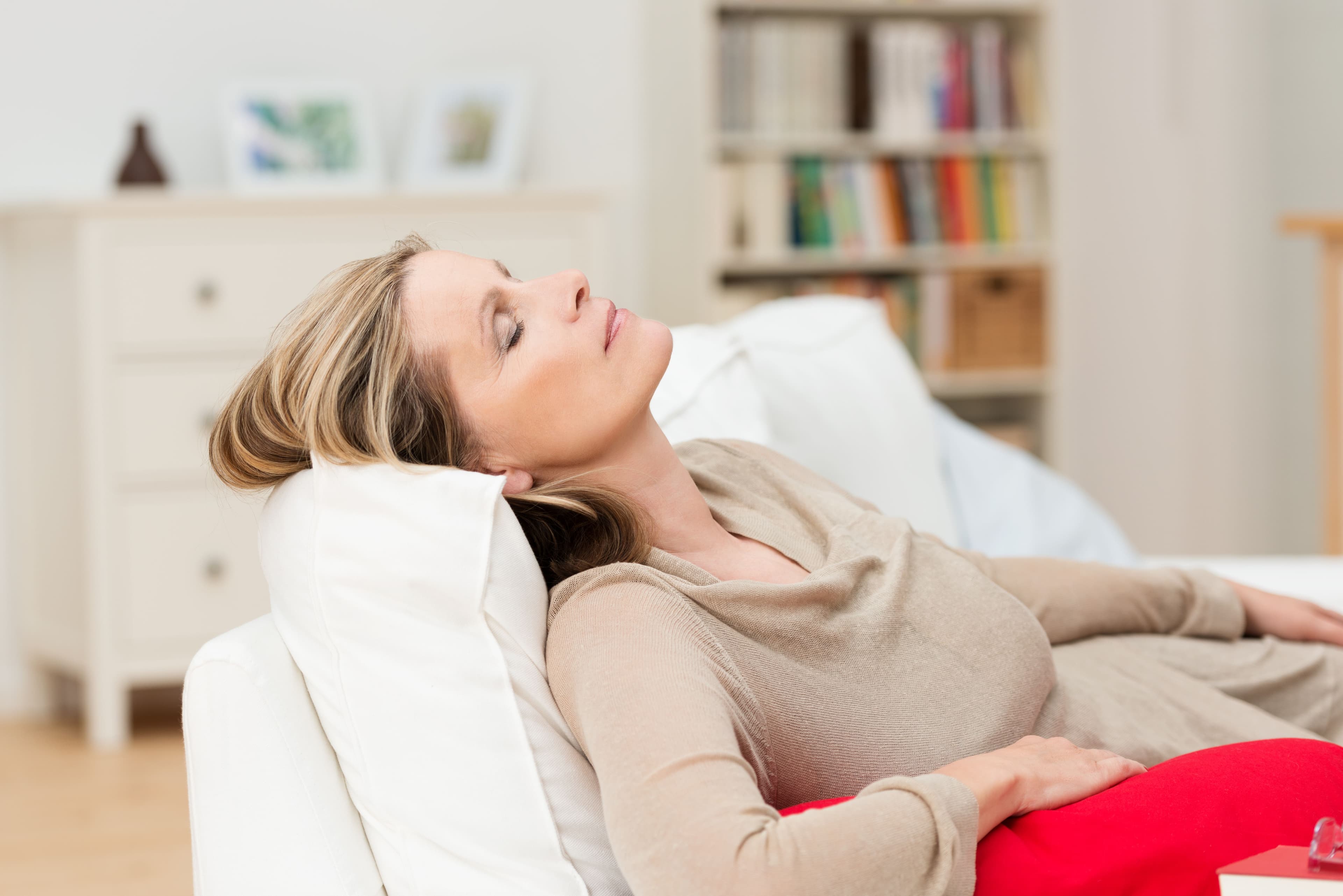
Relaxation after a long day at work or even after running a marathon can be achieved with the help of the right massage chair at home. Thanks to innovative technology, today there are modern products with smart features designed to meet a variety of needs and preferences. Such a chair is an excellent remedy for muscle pain and also an effective way to reduce stress and release tension. On komoder.co.uk, you can find premium massage chair models that allow you to enjoy a true relaxation ritual in the comfort of your own home whenever you feel the need.
Why recovery is just as important as running the marathon
Runners dedicate months to training schedules, nutrition plans, and pacing strategies, but too often overlook the importance of what happens after the race. Marathon running causes microtears in muscle fibers, depletes glycogen stores, and leads to systemic fatigue. The body responds to this stress with inflammation and muscle soreness, signaling the need for deliberate recovery before returning to normal training.
Physiologically, true adaptation, the process where your body repairs and becomes stronger, happens during rest and recovery, not while you’re running. Without adequate recovery, you risk overtraining injuries, prolonged soreness, and even mental burnout. Studies show that structured recovery protocols, including stretching, massage, sleep, and nutrition, accelerate healing and improve long-term performance.
Recovery is also psychological. A marathon takes a toll on mental focus and motivation. Allowing your mind to relax, reduce cortisol levels, and regain balance is just as necessary as caring for your muscles.
Common Post-Marathon Issues Runners Face
It’s completely normal to experience a range of symptoms after completing a marathon. Some of the most common include:
- Delayed Onset Muscle Soreness (DOMS). Typically peaks 24-72 hours after the race, causing stiffness and discomfort in major muscle groups.
- Inflammation and swelling. Knees, calves, and hips often bear the brunt of marathon miles.
- Fatigue and low immunity. Many runners report disrupted sleep and general exhaustion for several days post-race.
- Lower back and neck tension. Changes in running form and fatigue can strain these areas.
- Muscle imbalances. The repetitive motion of running can exacerbate weak points, leading to tightness or instability.
- Loss of running “flow”. Stride fluidity and coordination may feel temporarily off.
If symptoms persist beyond a week or worsen, consulting a physiotherapist or sports medicine professional is advised.
Stretching Routines Every Runner Should Try After a Marathon
Post-marathon stretching should be gentle, controlled, and progressive. The goal is to restore mobility, improve circulation, and reduce stiffness without causing further muscle damage. Here’s a timeline-based approach:
First 24-48 hours. Focus on light mobility rather than aggressive stretching. A simple “legs up the wall” pose (Viparita Karani) helps with circulation, while gentle hamstring and calf stretches, held for 20-30 seconds, can ease tightness without overloading sore tissues.
Days 2-4. Introduce dynamic movements like leg swings, hip circles, and cat-cow stretches for the spine. Foam rolling can help release tension in large muscle groups such as quads, calves, and the IT band.
Days 5-7. Deeper stretches and yoga-inspired poses like the pigeon pose or low lunge can target hip flexors and glutes. Using a resistance band can assist in safely deepening stretches without excessive strain.
It’s worth noting that while stretching helps with mobility and circulation, research shows it may not entirely prevent soreness or injury on its own. That’s why a combined approach, stretching, massage, nutrition, and rest, works best for holistic recovery.
The Role of Massage in Post-Marathon Recovery
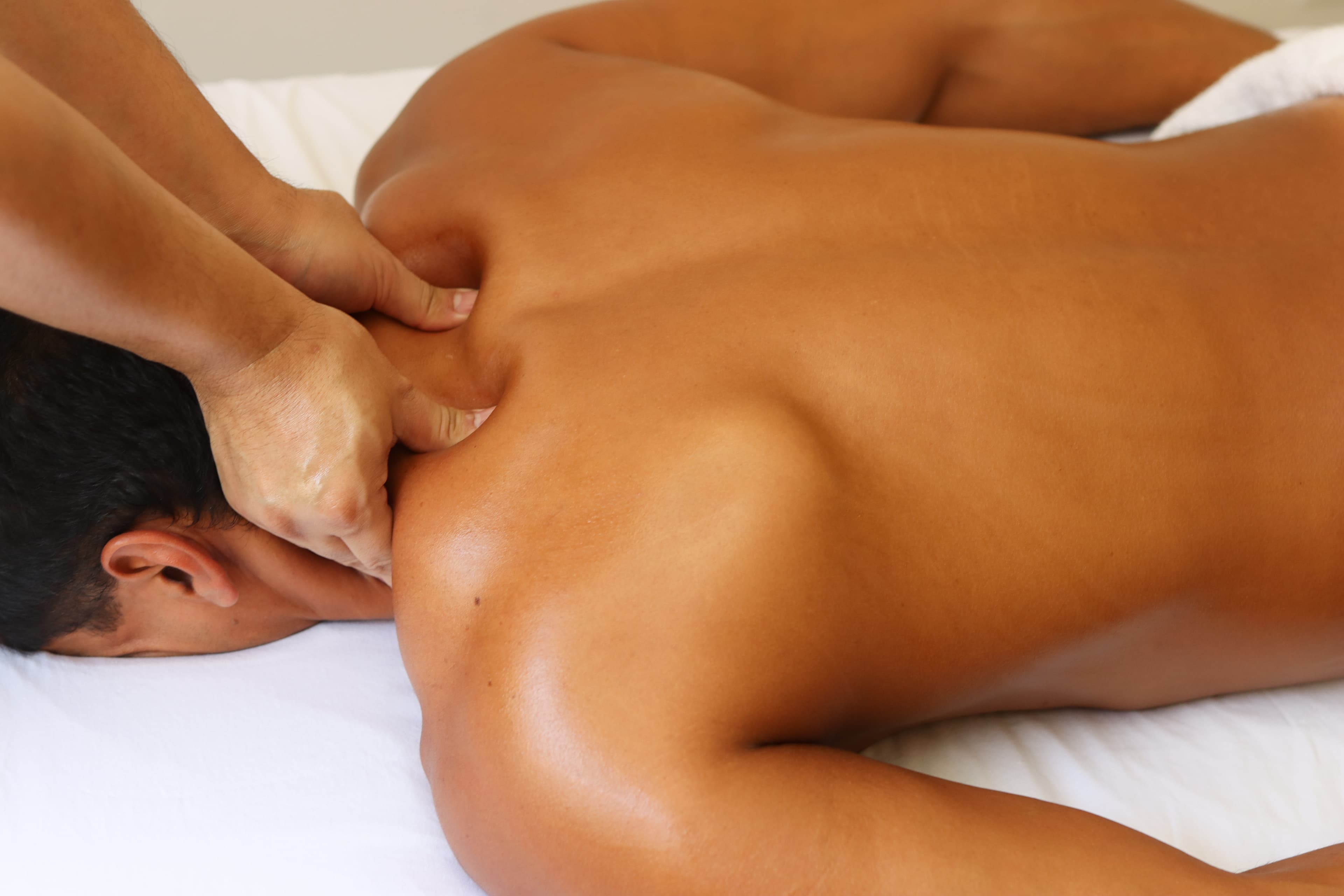
Massage isn’t just a luxury for runners. It’s a powerful recovery tool with proven physiological and psychological benefits. By improving blood flow, reducing inflammation, and promoting relaxation, massage helps accelerate muscle repair and decreases the risk of long-term tightness or injury.
Studies show massage therapy stimulates the parasympathetic nervous system, lowering stress hormones like cortisol while increasing endorphins, the body’s natural painkillers. It can also prevent adhesions in muscle tissues, improve flexibility, and speed up the removal of metabolic waste products like lactic acid.
Timing is key. Aggressive massage too soon after a marathon can aggravate soreness. Light techniques are recommended in the first 24 hours, progressing to deeper work after 48 hours.
Sports Massage vs. Relaxation Massage
Not all massages serve the same purpose. Sports massage uses deeper pressure, targeted techniques, and friction work to release tight muscle fibers, improve mobility, and address specific problem areas. It’s ideal for runners looking to resolve knots and prevent long-term stiffness but is best scheduled 2-3 days post-race when acute soreness has diminished.
Relaxation massage, on the other hand, uses gentler strokes to calm the nervous system, reduce tension, and promote mental recovery. It’s perfect for the immediate days after the marathon when your body needs rest and stress relief rather than intense pressure.
Alternating between the two can provide a balanced approach: light relaxation massage soon after the race, followed by targeted sports massage later in the recovery week.
Benefits of Using Massage Chairs at Home
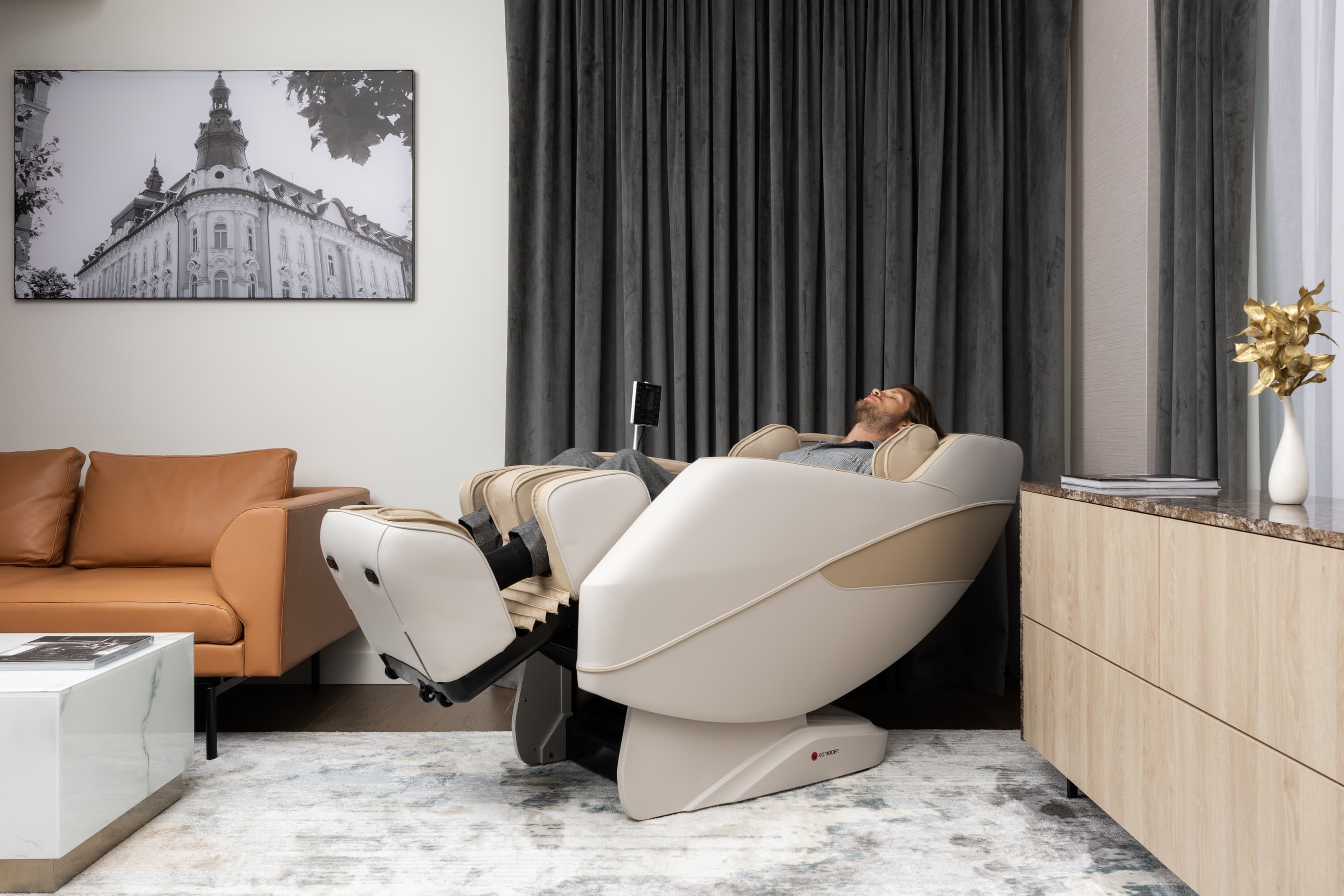
For runners without regular access to massage therapists - or those who want consistent at-home recovery - massage chairs are becoming a popular solution. Modern models feature 3D or 4D roller technology, heat therapy, zero-gravity positioning, and customizable programs for full-body treatment.
Komoder offers premium massage chairs in the UK and Europe, with free delivery and professional installation. For example:
The Komoder OPERA massage chair combines therapeutic precision and full-body relaxation into a refined, family-friendly design. It employs a 3D massage mechanism running along an SL-type rail measuring about 135 cm, which tracks the spine from the neck down to the sacral area.
Also, Komoder Focus II Massage Chair features 12 automatic programs, zero-gravity mode, and airbag compression for calves and feet - perfect for marathon-weary legs.
These chairs allow runners to enjoy daily recovery sessions without leaving home, improving circulation, reducing stiffness, and promoting better sleep. While they don’t fully replace professional hands-on therapy, they provide accessible, consistent support for muscle recovery and relaxation.
Imagine finishing a long training run and spending 20 minutes in a heated, zero-gravity massage chair it’s a practical, time-saving way to enhance recovery and performance throughout your marathon journey.