We live in the age of advanced technology, and this brings us a range of opportunities in various ways. For example, massage chairs have evolved tremendously in recent years, now featuring built-in functions that cater to various needs and requirements.
So, if you’re about to purchase such a chair, it’s a good idea to look for information about what it can offer you. In the article below, we’ve prepared a comprehensive guide that provides valuable insights into stretching and decompression functions, which work to improve spinal alignment, flexibility, and overall well-being.
The science behind spinal decompression and why it matters
Spinal decompression, once only achievable through physical therapy or specialized chiropractic equipment, is now built into high-end massage chairs. But why is this important?
Understanding spinal compression and its effects on health
Spinal compression occurs naturally over time due to gravity, sedentary lifestyles, poor posture, and physical strain. When the vertebrae press together excessively, the cushioning discs between them can become compressed, dehydrated, and even damaged. This may result in chronic back pain, reduced flexibility, herniated discs, and nerve pressure that can radiate into the limbs.
Moreover, spinal compression doesn't just affect the back. It disrupts the body’s entire alignment, causing tension in the neck, stiffness in the shoulders, and poor circulation in the legs. Over time, this misalignment can interfere with sleep, mobility, and daily comfort.
How proper stretching relieves pressure on vertebral discs
Stretching, when applied correctly and consistently, counteracts spinal compression. By gently elongating the body, stretching relieves pressure between the vertebrae, allowing the discs to rehydrate and regain their cushioning properties. It promotes blood flow, encourages lymphatic drainage, and helps maintain the natural curvature of the spine.
Massage chairs equipped with dynamic stretching and decompression functions simulate these therapeutic effects. Through programmed sequences, the body is gently pulled and extended in ways that mimic the skilled hands of a physical therapist.
Types of stretching functions in advanced massage chairs
Not all massage chairs for home are created equal. Advanced models feature intricate stretching systems designed to target specific areas or provide full-body elongation, catering to individual needs.
Full-body stretching systems and their mechanisms
Full-body stretching functions work by anchoring the body at two or more points, typically the shoulders and legs, and then slowly extending it in opposite directions. These systems often involve a combination of motorized recline features and airbag compression to hold the limbs in place while the chair elongates the spine.
This type of stretch is particularly effective after a long day of sitting or standing, as it helps realign the vertebrae and decompress the spine. Users often report a sensation similar to hanging on an inversion table, but without any discomfort or effort.
Targeted lumbar stretching features
Lower back pain is one of the most common complaints among adults. To address this, some chairs focus specifically on lumbar stretching. These functions involve elevating the hips slightly while the backrest moves independently to provide a gentle traction force in the lumbar region.
By isolating this area, the chair can more effectively relieve pressure between the lower vertebrae, reduce sciatic nerve irritation, and enhance lower spine flexibility. The best models offer adjustable settings for intensity and duration to suit different body types and preferences.
Neck and shoulder extension capabilities
Tension in the neck and shoulders often stems from prolonged desk work, stress, or improper sleeping positions. Advanced and modern massage chairs now feature neck traction systems that gently cradle the head while air cells around the shoulders inflate to push downward.
This action produces a mild pulling sensation that stretches the cervical spine and releases muscular tension in the trapezius and deltoid areas. Combined with kneading and tapping massage techniques, this feature can dramatically reduce headaches, stiffness, and upper back discomfort.
Lower body and leg stretching options
Stretching the legs is not just about comfort. It also impacts circulation, hip flexibility, and lower back support. In high-end chairs, the ottoman or legrest is equipped with calf and foot airbags that secure the lower limbs.
During a stretching program, the ottoman extends and retracts in coordination with the backrest, creating a whole-body traction effect. Some chairs also offer individual leg adjustment to accommodate different heights, ensuring maximum effectiveness for every user.
Zero gravity technology: the foundation of effective decompression
Zero gravity positioning is more than just a marketing term. Inspired by NASA’s astronaut recline posture, it positions the body in a way that evenly distributes weight across the chair, reducing spinal load and muscle tension.
In this reclined state, the knees are elevated above the heart and the back is fully supported. This not only enhances comfort but also amplifies the effects of spinal stretching and decompression by minimizing gravitational pressure.
When combined with stretching programs, zero gravity mode allows for deeper, more effective decompression, making it a cornerstone feature of any serious massage chair.
Air compression technology for effective body stretching
Airbags are integral to a modern massage chair’s stretching capability. Strategically placed throughout the chair - around the arms, shoulders, hips, calves, and feet - these airbags inflate and deflate in sequence to hold, move, or stretch parts of the body.
For example, during a leg stretch, calf airbags might secure the legs while the ottoman moves outward. In shoulder stretching, airbags might push down while the chair reclines. This controlled compression and release improves circulation, enhances muscular elasticity, and helps with lymphatic drainage.
Unlike mechanical rollers, airbags can conform to the body’s unique shape, delivering a safer and more personalized experience.
Roller systems that enhance decompression effects
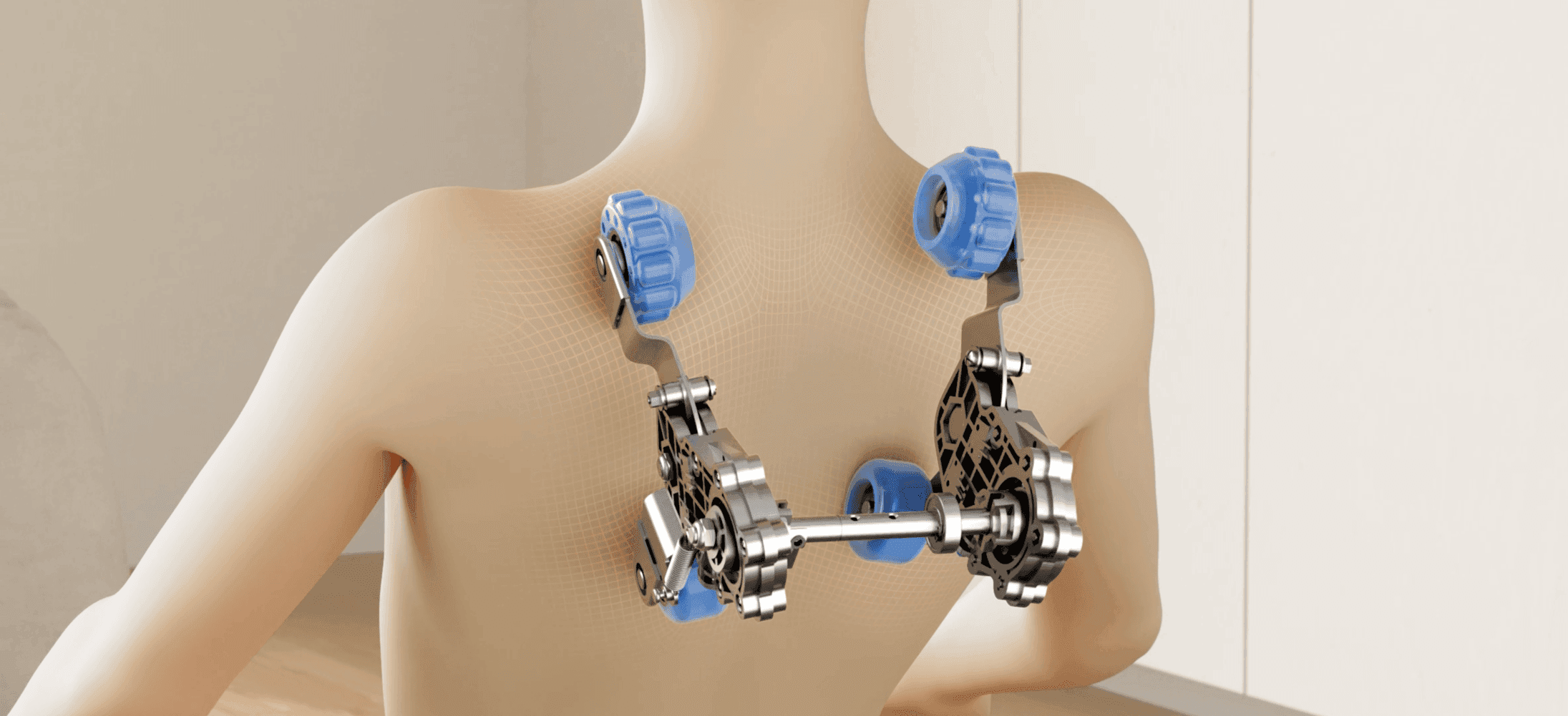
Massage rollers, often powered by intelligent 3D or 4D technology, play a supportive role in spinal decompression. These rollers glide along the spine, mimicking the movements of a professional masseuse, applying pressure in a synchronized manner with stretching sequences.
As the body is extended, rollers can perform kneading or shiatsu techniques that loosen tight muscles, reduce resistance, and improve the effectiveness of each stretch. Some chairs offer customizable roller width and depth, allowing users to tailor the intensity and location of the massage.
Together with decompression programs, this enhances the chair’s ability to not only stretch but also restore muscular and joint function.