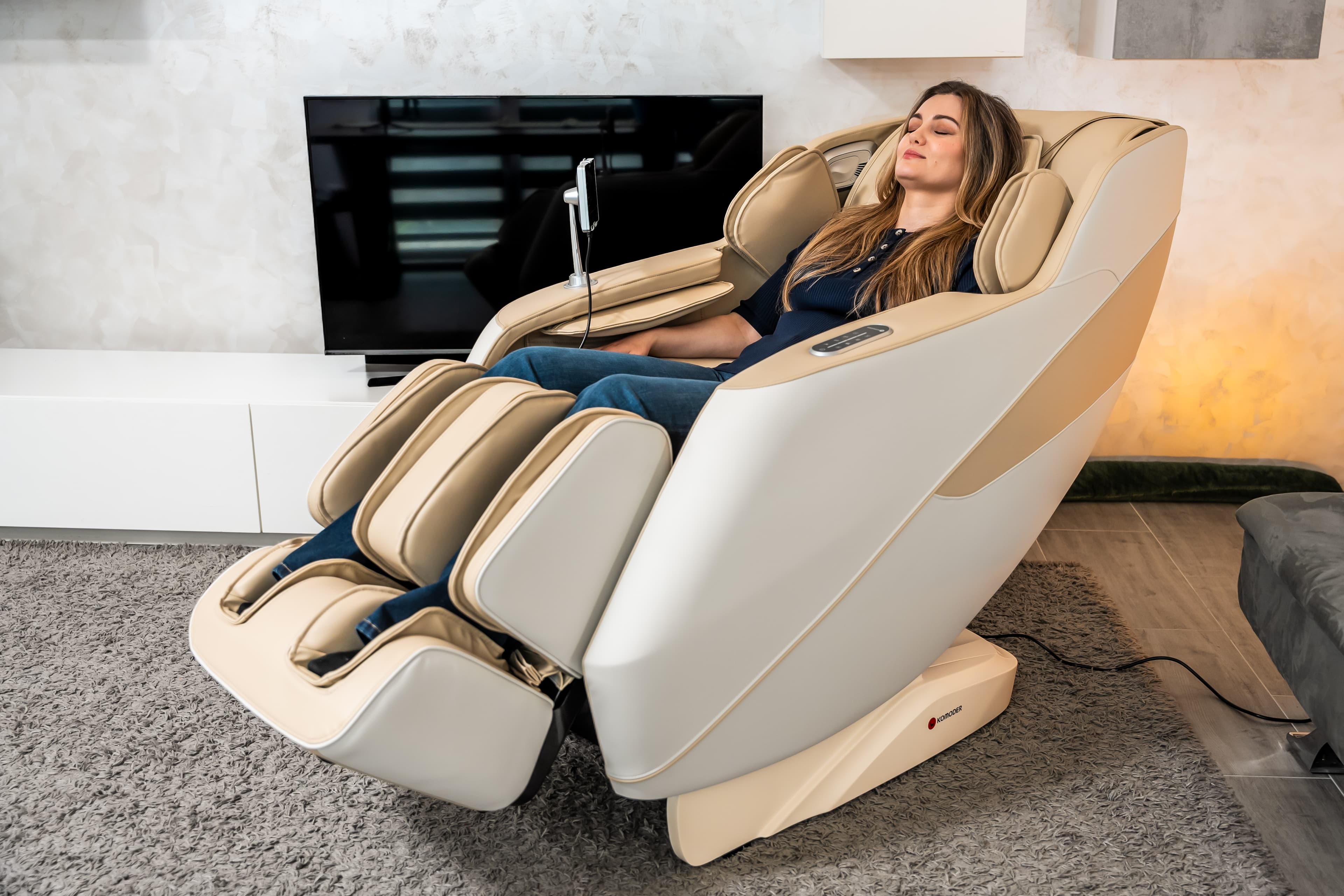
Out of the desire to own more and more things, we often end up overcrowding the space we live in. However, a well-organized home brings many advantages. It offers a sense of openness, cleanliness, and a relaxing atmosphere. Let’s discover some useful tips and recommendations to help you make the changes that can transform your living room space in an amazing way. Adding a massage chair from komoder.co.uk could be an elegant option for this room, while also providing you with many health and wellness benefits.
The psychology of clutter: why a messy home creates stress
To the human brain, chaos means threat. Visual clutter taxes the prefrontal cortex, which is responsible for decision-making and attention, causing mental fatigue even when you may not consciously notice it. In a disordered environment, your brain is constantly processing stimuli, deciding what to ignore, what to attend to, what to suppress. That silent war drains cognitive energy, leaving you more vulnerable to stress, irritability or distraction.
Neuroscience research shows that people in cluttered spaces produce more cortisol, the stress hormone, than those in tidier surroundings. Psychologists argue that environments rich in disorganization interfere with our ability to rest, reflect and recover mentally. A space full of items resisting categorization or harmony sends the message that work is never done; it renders rest uneasy.
Decluttering tips for a calmer, more modern living room
The path from cluttered to calm begins with intention. Begin with a vision, how do you want to feel in your living room? Cozy and warm, airy and bright, or sleek and efficient? That guiding principle helps you decide what stays, what moves, and what must depart.
Start by removing everything that doesn’t enhance your daily life or bring genuine delight. In each section of the room, be it near the sofa, beside the TV unit, or under the coffee table, pause and question: is this piece essential, or a symptom of disorganization? Let go of multiples, especially décor that’s redundant or outdated.
Once you’ve reduced volume, work in layers. First refine major furniture and layout: push sofas slightly away from walls to allow airflow. Angle them subtly to break rigid lines; use rugs or runners to delineate functional zones. Next, tackle smaller items: group similar objects and store them together. Place items you use frequently in lower, easy-to-reach space; hide the rest. Use baskets and boxes to mask visual distraction; but choose containers that elevate the aesthetic (natural weaves or tactful fabric tones).
Finally, adopt a “one in, one out” policy: when bringing a new book, candle, or throw pillow in, remove something else. This simple habit prevents future accumulation. Methodical purging plus wise placement can shift your space from overstuffed to composed without major expense.
Smart storage ideas that work in UK homes and flats
In Britain, many houses and apartments face constraints: narrow hallways, awkward alcoves, reduced ceiling height, or challenging wall depths. The trick is to let storage serve disguise and utility, not dominate.
One effective route is vertical storage. Installing tall units that extend toward the ceiling maximizes unused real estate. Floating shelves above sofas or doors reclaim wall space without consuming floor area. Interiors firms call this “air layering”, using multiple depths to draw the eye upward and free the ground plane. UK furniture brands often provide built-in wardrobe modules that span floor to ceiling, offering hidden storage behind doors that blend into wall lines. Under-sofa and bed pullouts are also powerful. Many sofas and ottomans hide deep cavities ideal for blankets or seasonal items. Beds that lift or have large shallow drawers are a designer favorite, you store bulky bedding unseen. In the same spirit, window seats with lift-top lids become twin-use seating and storage zones.
In stairwells or beneath steps, custom drawers or open shelving can turn otherwise wasted nooks into tidy compartments for shoes, books or everyday gear. DIY guides to under-stair solutions abound in UK design blogs. Behind doors is a classic yet underused opportunity. Door-mounted racks, slim hooks or even shallow shelves on door backs can handle items you need access to but don't want on show, remotes, mail, umbrellas. Even walls inside cupboards can host small rod systems or hooks to hold handbags or scarves. For media walls, bespoke cabinetry with integrated cable management keeps all tech out of sight. Open niches at eye level allow a minimal display; lower drawers and concealed doors hide consoles, remotes, game consoles. Brands offering fitted furniture in the UK emphasize the importance of adjustable shelving and multi-purpose modules to adapt to shifting needs.
In small flats especially, multifunctional furniture is key. A coffee table that lifts and reveals storage, seating cubes that detach and stack, or wall desks that fold down create the flexibility you need without sacrificing calm.
How lighting and colour choices change the feel of your space
While storage and decluttering set the stage, lighting and colour are the emotional palette. The same room painted in pale grey with soft illumination will feel drastically different from one in deep taupe under stark overhead lights.
Colour choices speak to mood at a glance. Neutrals, off-whites, dove greys, muted taupes, provide a restful canvas. Accents in soft greens, dusty blues or terracotta can inject personality without visual chaos. Avoid overly bright or clashing hues in large surfaces; instead, inject colour through accessories, cushions or artwork.
Contrast matters. Use one deeper wall (an “anchor” wall) to ground the space, while keeping surrounding walls lighter to preserve the illusion of openness. Combined with the right lighting, this “dark accent in light field” trick can give your room sophistication without heavy visual burden.
Adding statement pieces for instant calm and style
Once your layout is cleared and palette refined, it’s time to select one or two standout pieces that anchor your calm. A statement item gives the eye a destination and signals intention rather than random accumulation.
Artworks play a role: one well-proportioned, serene painting or framed print can unify a wall without competing for attention. Choose images that echo your palette and mood. Don’t overhang, allow spacing so the piece breathes.
Furniture can be a statement too. A lounge chair sculpted in clean lines, or a centrepiece coffee table with organic form can shift a room’s character. But the trick is restraint: avoid filling every niche with strong objects. Let one or two anchor pieces be your signature.
Wellness-focused furniture like massage chairs
In the realm of statements, furniture that serves health and aesthetics has gained traction: at home massage chairs that look like design objects but restore your body. For example, the Komoder Titan II massage chair offers full-body coverage with SL track design, zero-gravity positioning, heat zones, and multiple auto programs aimed at promoting deep relaxation. It blends function with modern lines so it doesn’t feel out of place in a refined living area.
Meanwhile, the Komoder Victoria 3 Medical massage chair combines therapeutic precision and medical-level support with style. It features customizable depth and airbag control zones designed for serious recovery, yet remains elegantly upholstered and visually minimal. Having either of these as a subtle focal piece signals care, rest, and intention, adding calm and utility to your space.
Wellness furniture becomes more than décor. It's a visible commitment to your health. Because even in a peaceful living room, the function of that calm space is to restore body and mind, and a massage chair does exactly that.
Easy lifestyle habits to keep your living space clutter-free
Even the best design can unravel if habits stray. Cultivating routines is the final, vital step that ensures your sanctuary remains a sanctuary. Start with a five-minute nightly reset: return items to designated homes, fluff cushions, fold throws, wipe tabletops.
Post-entry rituals help too. Use a drop zone (tray or small modulated console) by the entrance to contain keys, phones or mail, never leave them adrift. Encourage one-touch decisions: if an item doesn’t have a home, either assign one immediately or relegate it out.
Don’t let accumulation sneak up on you: schedule mini purges every month, scan surfaces, bookshelves, leftover packaging, and ruthlessly remove what no longer adds value. Use “pause boxes” for items whose fate is unclear, if you don’t retrieve them in three months, they go.
Think in flows not fixes. Allow circulation through the room by keeping pathways clear, resisting the urge to edge furniture too tightly. Display only items you truly enjoy; rotate or swap non-essentials seasonally.
Encourage household buy-in. Everyone stores after themselves and respects dedicated zones. Use labels subtly if needed (e.g. inside cabinet doors) to guide usage and return.
In sum, transforming a cluttered living space into a calm one blends psychology, design, and lifestyle. It’s not about overhauling your home overnight, but about aligning your space with what you want to feel: calm, invited, intentional, your own peaceful backdrop for living.