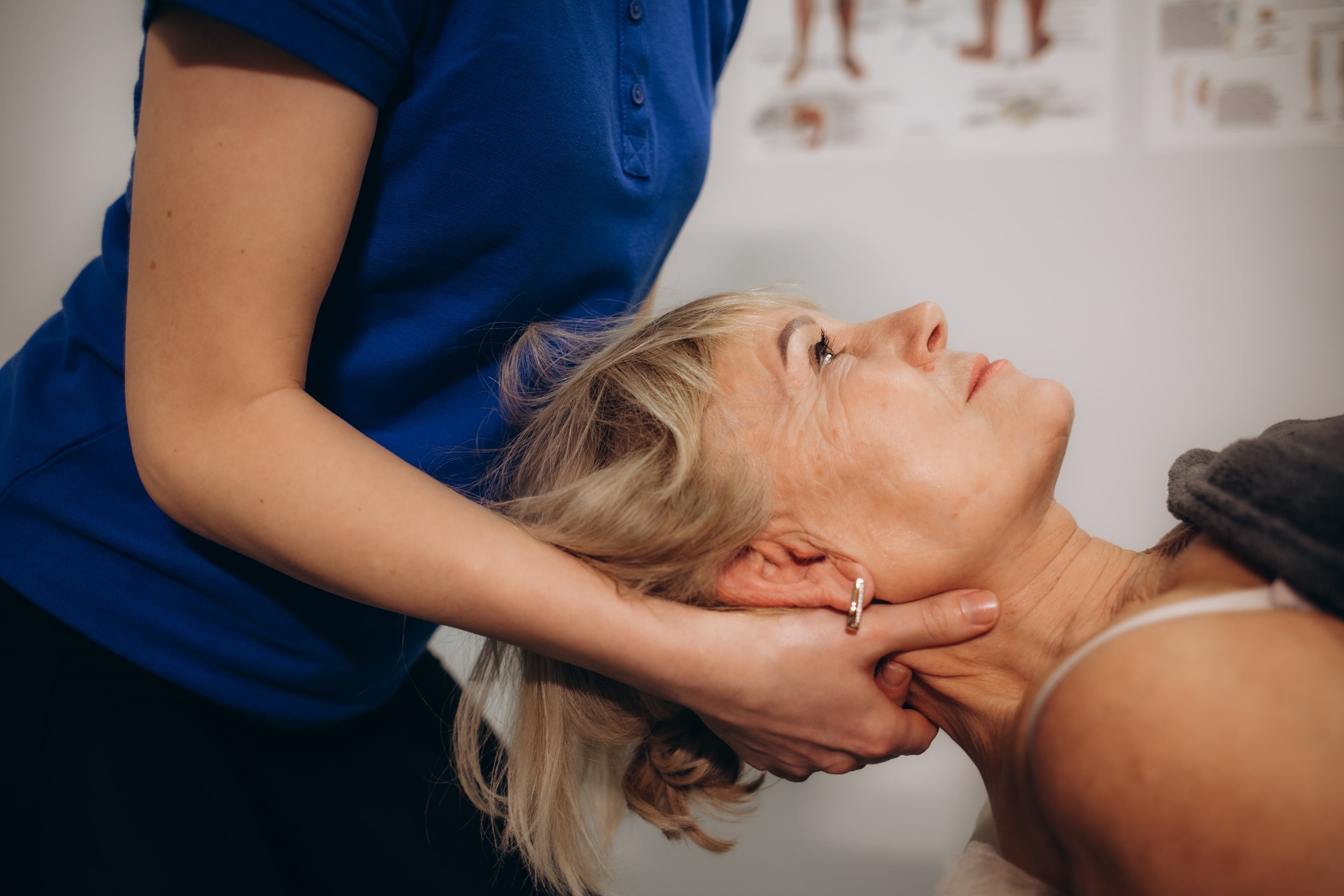
Massage therapy for the elderly is regarded as one of the oldest forms of supportive care, valued for its wide-ranging benefits and a holistic effect on overall health and wellbeing. Massages may be conducted as a medical recommendation to complement broader wellness and recovery, or incorporated into an overall prevention routine. Whether sought for therapeutic support or general wellbeing, massage for seniors offers a gentle, personalised approach to improving quality of life in later years.
What is Geriatric Massage?
Geriatric massage is a specialised form of massage therapy designed to support the unique physical and emotional needs of older adults.
Using gentle techniques, slower movements, and personalised pressure, this customised therapy is adapted as needed for mature bodies, taking into consideration overall health, medical conditions and medication use.
The result is a refined and restorative bodywork experience that prioritises comfort, encourages deep relaxation, and nurtures overall wellbeing throughout later life.
Key Benefits of Massage for Seniors
Depending on the patient’s needs, massage practitioners can accommodate treatments for age-related sensitivities, reduced mobility, or chronic tension.
The benefits of massage for seniors may range from easing muscular rigidity to encouraging improved circulation and emotional wellbeing. Additionally, tailored treatments can provide a valuable component to senior self-care and healthy ageing routines.
The main benefits are:
- Chronic Pain and Arthritis Relief
- Circulation and Blood Flow
- Better Sleep and Deeper Rest
- Mood, Anxiety and Depression
- Balance and Fall Prevention
Chronic Pain and Arthritis Relief
For many older adults, chronic stiffness, joint discomfort, and muscular tension can affect daily comfort and mobility. Gentle massage therapy may help ease areas of persistent tightness, encourage circulation, and promote a greater sense of physical ease, particularly for individuals experiencing restrictive joint mobility and arthritis-related discomfort.
With carefully adapted techniques and personalised pressure, massage for elderly people offers a soothing wellness experience that supports relaxation while helping seniors find relief and better support their everyday movements.
Note: Before the massage session, patients are recommended to communicate with the therapists about which joints are most affected by arthritis. Therapists can adjust their techniques for specific needs related to rheumatoid arthritis or osteoarthritis.
Circulation and Blood Flow
As the body ages, healthy circulation plays an important role in supporting energy, mobility, and overall wellbeing.
Gentle massage techniques may help encourage oxygen-rich blood flow throughout the body, contributing to warmth, renewed complexion, and reduced feelings of stiffness. Thoughtful, slow and rhythmic movements create a calming therapy that nurtures physicality, as well as a renewed sense of vitality.
The Cleveland Clinic notes that massage and stretching can ease nocturnal leg cramps, often linked to poor blood flow, which affects around one-third of people over 60 every two months or more.
Better Sleep and Deeper Rest
Quality sleep can become more challenging with age, which is often influenced by discomfort, stiffness, or an overactive mind.
Gentle massage therapy helps to ease physical tightness in seniors, while promoting a deeper sense of calm throughout the body and nervous system. By encouraging relaxation and reducing built-up stress, geriatric massage may support more restful sleep patterns and a greater sense of restoration, allowing the body to settle more naturally into periods of deeper rest.
Mood, Anxiety and Depression
Massage therapy may play a supportive role in improving emotional wellbeing, particularly for seniors struggling with loneliness, stress, low mood, or feelings of anxiety.
In particular, massage and touch therapies may decrease cortisol levels (the stress hormone linked to weight gain, anxiety, and sleep issues) while simultaneously increasing oxytocin, according to the Global Wellness Institute.
Other research suggests that massage may also help stimulate the release of serotonin and dopamine (neurochemicals associated with improved mood).
With its wide range of wellbeing benefits of massage for elderly, discover more about how massage eases stress and anxiety.
Balance and Fall Prevention
Maintaining balance becomes increasingly important with age. Seniors are more likely to experience reduced muscle strength, joint stiffness, and changes in spatial awareness, all contributing to a higher risk of falls.
The US Centers for Disease Control and Prevention reports that as many as 1 in 4 older adults report falling in a year, but massage therapy can provide short-term enhanced stability to counteract the chances of this.
Additionally, massage therapy may help support greater body mindfulness, ease tense muscles, and encourage improved mobility, all key factors in maintaining steadier movement and coordination.
When incorporated into a regular wellness routine, geriatric massage can complement broader mobility and strengthening efforts, helping seniors feel more confident, grounded, and supported in their everyday movements.
Best Massage Types for Older Adults
As the question “are massages good for elderly” is often raised, choosing the right type of massage promotes comfort and effectiveness, particularly for older adults with varying health needs and sensitivities.
Gentle, low-impact techniques are typically preferred, offering therapeutic benefits without placing strain on the body.
Certain massage techniques are particularly well-suited to the needs of older adults.
Massage Type | Best For | Pressure Level | Key Benefit | Available at Home |
Swedish Massage | General relaxation, mild tension, poor circulation | Light to Medium | Improves blood flow and eases muscle stiffness | Via massage chair |
Geriatric Massage | Older adults with limited mobility or chronic discomfort | Light | Adapted techniques for comfort and range of motion | Consult a specialist |
Manual Lymphatic Drainage | Fluid retention, post-surgery recovery, oedema | Very Light | Reduces swelling and supports the lymphatic system | Consult a specialist |
Reflexology | Targeted relief without full-body contact | Light | Stimulates pressure points on the feet, hands or ears | Via massage chair |
Light Shiatsu | Stress, fatigue, tension along the back and shoulders | Light to Medium | Promotes relaxation and energy flow through gentle compression | Via massage chair |
Chair Massage | Limited mobility, those new to massage, home use | Light to Medium | Accessible, fully clothed, no specialist booking required | Yes, massage chairs |
Safety Tips for Senior Massage
As ageing bodies require a more considered and personalised approach, therapists carefully adapt massage techniques to support comfort, safety, and overall wellbeing throughout every stage of treatment. For the patient, a careful assessment of their health, mobility, and skin condition may include:
Before the Massage
- Share any health conditions or sensitivities, so the therapist can adapt the session safely and avoid techniques that may cause discomfort.
- Mention current medications, as some can affect circulation, skin sensitivity, bruising, or how the body responds to pressure and heat.
- Discuss any advice from a GP or healthcare team, especially if there are existing medical concerns, recent treatments, or recovery needs to consider.
Treatment Adaptations
- Mobility and flexibility may affect how the body is positioned, so the therapist may adjust support, cushioning, or movement during the session.
- Ageing skin is often thinner and more delicate, which means lighter pressure and shorter strokes may be more comfortable and less irritating.
- Sensitivity to heat should be taken into account, as room temperature, warm tools, or heated elements may need to be adjusted for comfort.
- Osteoporosis requires extra care, as deep pressure or forceful techniques may increase discomfort or raise the risk of injury.
When Massage May Need to Be Avoided
- Areas with injuries, recent surgery, burns, open sores, eczema, enlarged lymph nodes, or skin ulcers may need to be avoided to prevent irritation or further damage.
- A history of blood clots or aneurysms should always be discussed in advance, as massage may not be appropriate without medical clearance.
“For individuals with specific mobility or health conditions, massage chairs can offer additional accessible wellness support. Explore more with full body massage chair benefits.”
Massage Chairs for Elderly Wellbeing
Massage therapy does not always require a practitioner’s intervention. Modern, professional body massage chairs can be adjusted holistically in position and intensity, with features such as zero gravity positioning helping to bring the benefits of therapeutic expertise into the comfort of the home. For those seeking tailored comfort and convenience for themselves or loved ones, you can browse our massage chair range to explore supportive options designed for everyday wellbeing.
Ready to Bring Massage Home?
Bringing the benefits of massage into the home offers a convenient and consistently accessible way to support daily comfort, relaxation, and overall wellbeing. With thoughtfully designed massage chairs, users can enjoy personalised care at any time, tailored to individual needs and preferences.
For guidance in selecting the right option, speak to a massage specialist today to explore solutions best suited to you or your loved one’s lifestyle and wellbeing goals.
FAQs
How often should an elderly person have a massage?
An elderly person can have massages every 2 weeks for relaxation and personal upkeep, while more regular treatments may be recommended for ongoing stiffness, chronic discomfort, or recovery support. However, the ideal massage frequency for older adults depends on individual health needs, mobility, and overall wellness goals. Many seniors benefit from shorter, gentle sessions, which are often preferred for comfort and safety.
Can a family member or carer learn to give a senior massage safely?
Yes, both family members and carers can learn gentle massage techniques to help support comfort, relaxation, and wellbeing in older adults. Simple methods such as light stroking movements, hand massage, and foot massage can often be performed safely when adapted to the senior’s health needs and sensitivities. However, deeper therapeutic techniques or treatment for medical conditions should always be carried out by a qualified massage professional or a professional massage chair.
Is massage therapy covered by health insurance for older adults in the UK?
Massage therapy is not usually covered by the National Health Service (NHS), unless it forms part of a supervised rehabilitation, physiotherapy, or pain management program. Some private medical insurance (PMI) policies and health cash plans may contribute towards treatment costs when massage is provided by a qualified and registered practitioner. It is advisable to check individual policy details as coverage can vary between providers.
Can massage help elderly people living with dementia?
Yes, massage can help elderly individuals living with dementia. Consistent, soft touch therapy can encourage relaxation, reduce feelings of agitation or anxiety, and create a calming sensory experience. Simple techniques such as hand or shoulder massage are often used to promote reassurance, connection, and overall comfort.
Is massage safe for someone with osteoporosis?
Massage can be safe and beneficial for individuals with osteoporosis when it is performed using gentle, carefully adapted techniques. Light pressure methods, such as Swedish-style massage, may help ease discomfort, improve circulation, and support mobility without placing stress on fragile bones. Deep tissue work and forceful stretching should be avoided to reduce the risk of injury.
How much does geriatric massage typically cost in the UK?
In the UK, geriatric massage typically ranges from around £50 to £90 per one-hour session, depending on the practitioner, location, and setting. Mobile or at-home specialist services tend to be priced at the higher end, often starting from approximately £80 per hour, particularly in major cities. Costs may vary based on session length and level of specialised care required.