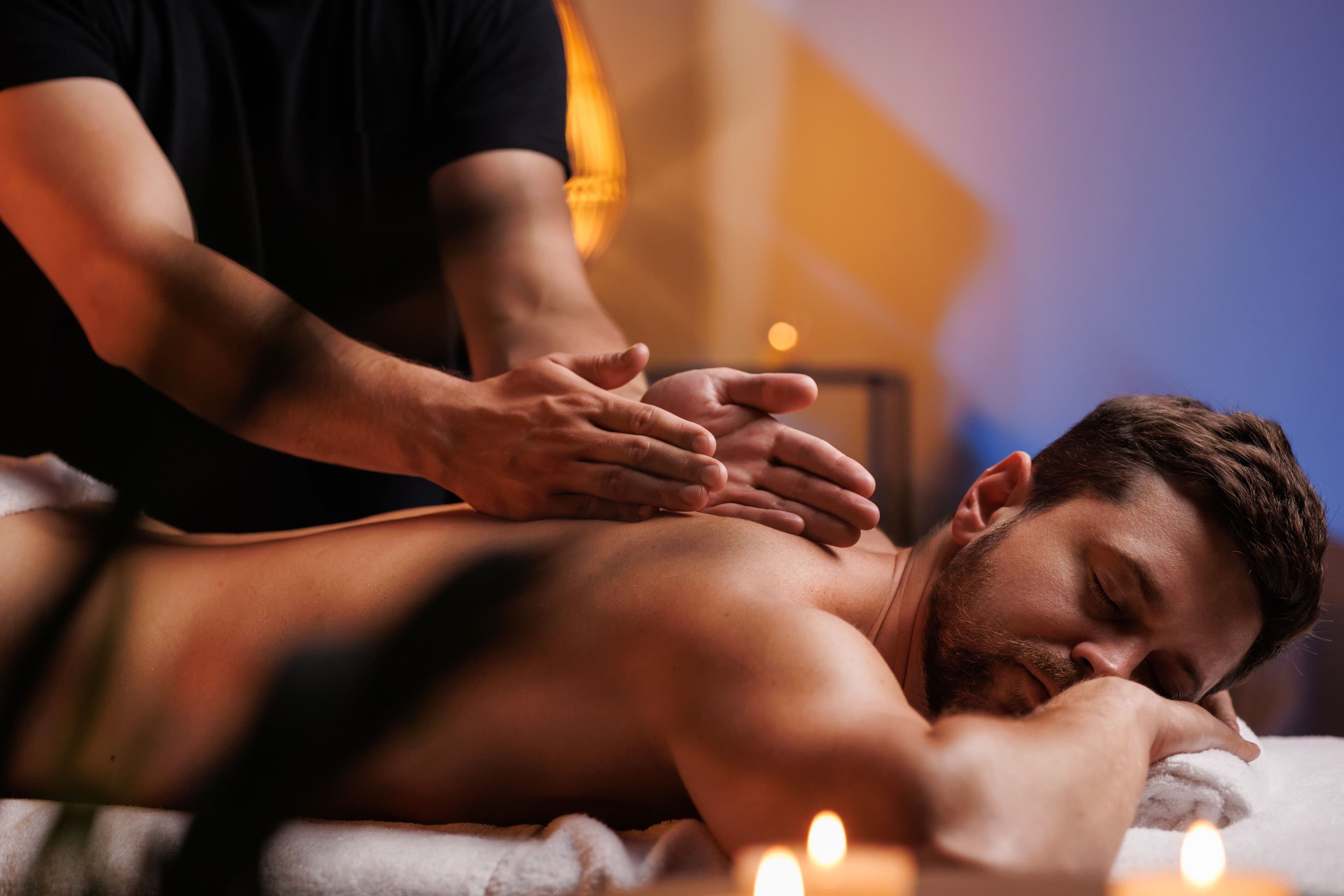
Massage is an ancient healing practice that has been used for centuries to promote relaxation, reduce stress, and relieve pain. Whether you want to spoil a potential massage recipient or are curious about the art of massage, there are specific techniques and tips on how to give a good massage. In this article, you’ll discover some of the best ways to give a good massage, while also looking at how advanced massage chairs can offer an indulgent, technology-enhanced alternative for consistent relaxation and recovery.
Why Good Massages Are Harder Than They Look
A good massage may appear straightforward, but delivering one that truly feels restorative, balanced, and tailored to the body carries some nuance. Wondering how do you give a good massage?
Beyond simply applying pressure, the art of massage requires an understanding of tension patterns, body mechanics, pacing, and responsiveness to individual comfort levels.
What feels relieving in one moment can quickly become uncomfortable if technique, posture, or pressure are inconsistent.
Additionally, there are considerations for the person giving the massage, the atmosphere, and also accommodating the needs of the individual receiving the massage.
Recreating the seamless comfort of a luxury spa environment often requires more than good intentions alone, especially for those seeking regular, high-quality wellness rituals as part of an elevated lifestyle.
Setting the Scene Before You Start
The massage experience can be influenced by preparing items that can transform the session, as well as how you execute the treatment.
Before giving a massage, some of the best massage tips include considerations and preparing these massage essentials.
What You Will Need
- Quality Massage Oil or Lotion: Helps to create a smooth, comfortable massage experience by using a high-quality oil or lotion that is suitable for the recipient and yourself, helping reduce friction while nourishing the skin.
Tip: For massage oil, consider olive, grapeseed, jojoba, or a blended massage oil. Avoid heavily fragranced products, particularly for recipients with sensitive skin. - Comfortable Massage Table, Mat or Bed: Create a professional setup with a comfortable and supportive surface for your recipient to lie on during the massage.
- Soft, Clean Towels: Use clean, soft towels to cover and drape the recipient, maintaining a hygienic and comfortable environment.
- Ambient Lighting and Relaxing Music: Set the mood with soft lighting and soothing music to enhance the overall relaxation experience.
Before You Begin
- Knowledge of Basic Massage Techniques: Familiarise yourself with basic massage techniques, including effleurage, kneading, and friction, to provide a well-rounded, effective massage.
- Prepare your Hands: Consider exfoliating your hands and filing sharp nail edges to deliver the best massage experience you can.
- Communication and Consent: Establish clear communication with the person who is receiving the massage, ensuring their comfort and obtaining consent before starting the massage.
- Time Management: Allocate sufficient time for the massage session, allowing for a thorough and unhurried experience.
Ultimately, the best tips for a full body massage will always centre on the experience and needs of your recipient. You can achieve a refined massage experience through clear communication, thoughtful technique, and a responsive approach to treatment.
The 5 Core Massage Techniques
Most professional massage styles are built around 5 foundational techniques: effleurage, petrissage, friction, tapotement, and vibration. While each approach serves a different purpose, from encouraging relaxation to targeting deeper muscular tension, they work together to create a balanced, revitalising experience. Understanding these core techniques offers valuable insight into how to give a really good massage and why an expertly delivered massage feels both therapeutic and deeply indulgent.
Technique | Best For | Pressure Level | When to Use |
Effleurage | Warming muscles, easing into relaxation | Light | Opening and closing the session |
Petrissage | Releasing built-up tension and knots | Medium | Mid-session on shoulders and back |
Friction | Targeting deep, persistent tightness | Medium to Firm | Mid-session on specific tension areas |
Tapotement | Stimulating circulation, re-energising | Light | Near the end of the session |
Vibration | Soothing deeper muscle layers | Light | Throughout, best achieved with a device |
Effleurage: Start With Slow Strokes
The term “effleurage” comes from the French word effleurer, meaning “to skim” or “to lightly touch.” The name reflects the technique’s signature movement of smooth, gliding strokes that gently sweep across the body to soothe muscles and promote relaxation.
Gentle yet purposeful, effleurage also allows pressure and rhythm to be adjusted intuitively, creating the calming foundation for a more immersive massage experience.
Petrissage: Knead Away the Tension
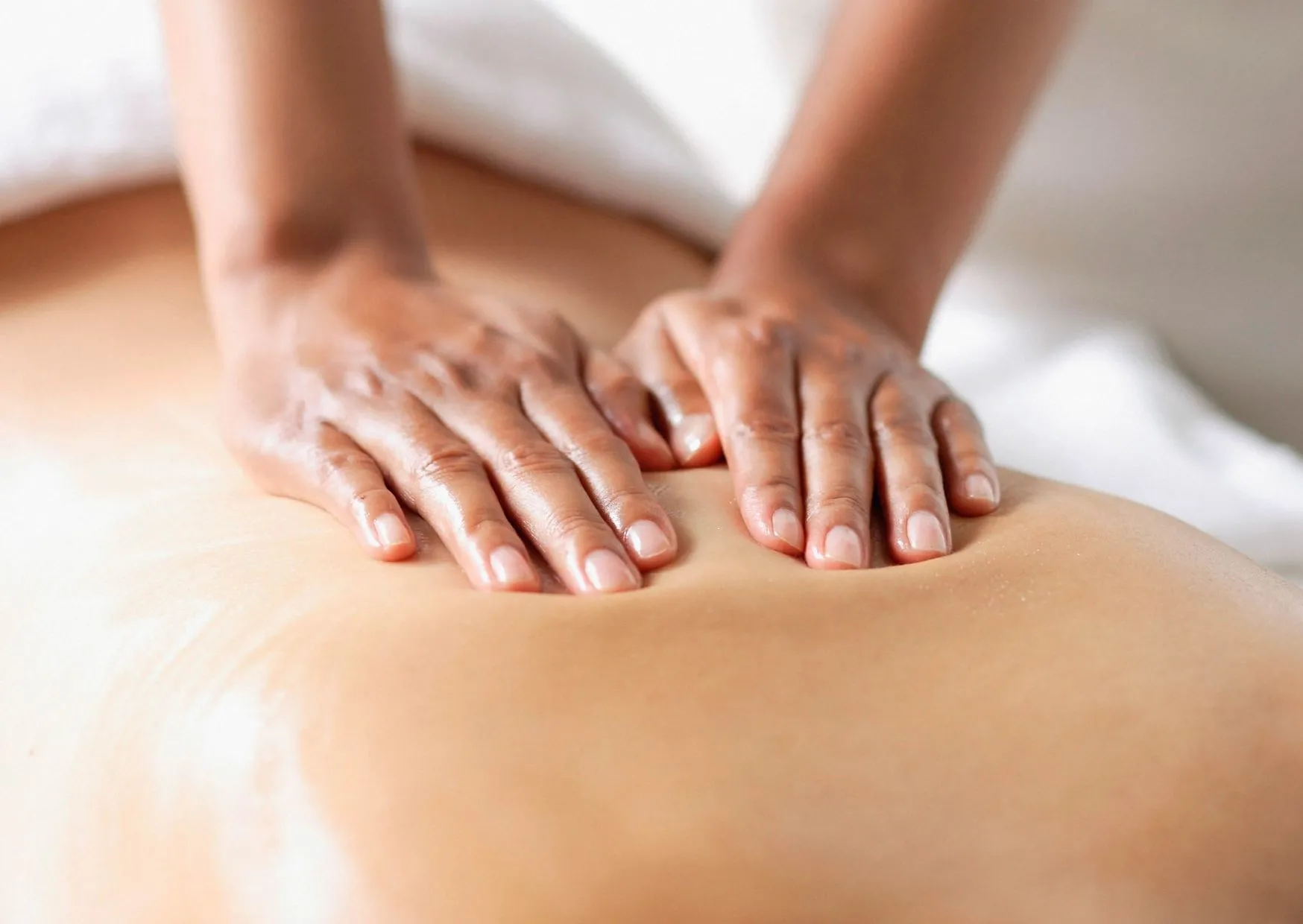
The word “petrissage” originates from the French verb pétrir, meaning “to knead,” much like kneading dough by hand. This technique uses lifting, rolling, and compressive movements to work deeply into the muscles, helping to release built-up tension and improve circulation beneath the surface.
Often associated with a more therapeutic style of massage, petrissage creates a satisfying sense of muscular relief while encouraging the body to feel looser, lighter, and more restored.
Friction: Deep, Targeted Pressure
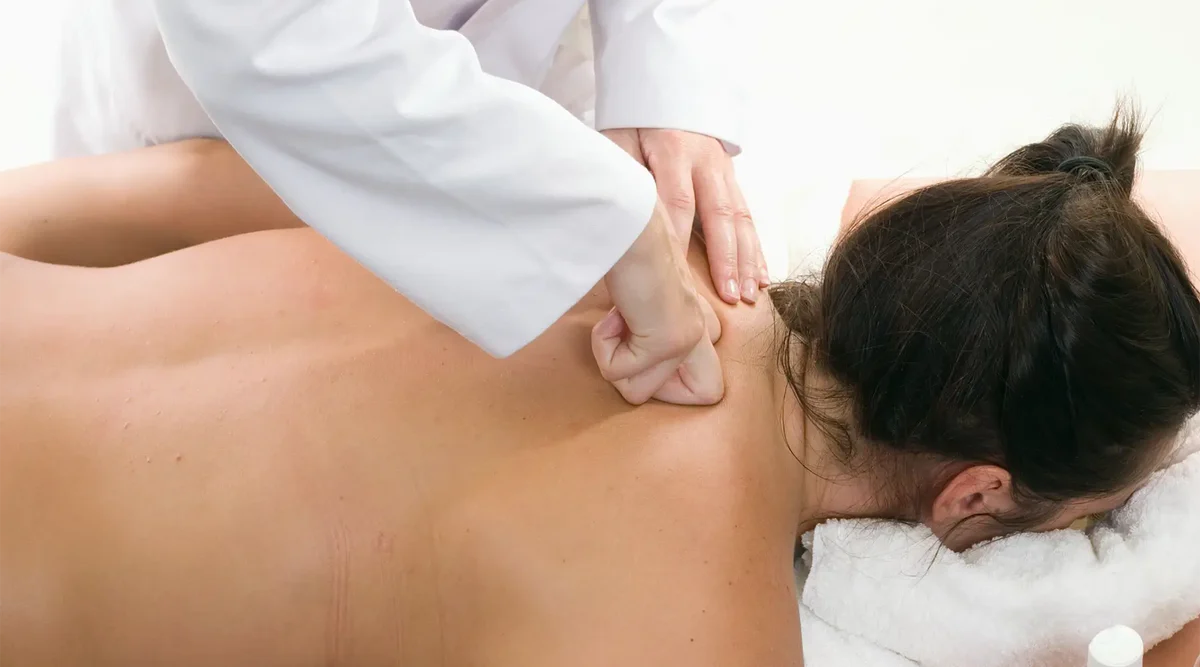
Though a common word in English, friction is originally derived from the Latin frictio, meaning “to rub.” This type of massage involves concentrated, targeted pressure applied to specific areas of tension within the muscles and connective tissue. Unlike broader flowing strokes, this technique uses smaller, controlled movements to work deeply into tight knots and areas of stiffness.
When applied skilfully, friction techniques can help release persistent tension and create a more focused therapeutic effect, particularly in areas prone to strain or repetitive stress.
Tapotement: Rhythmic Percussion Technique
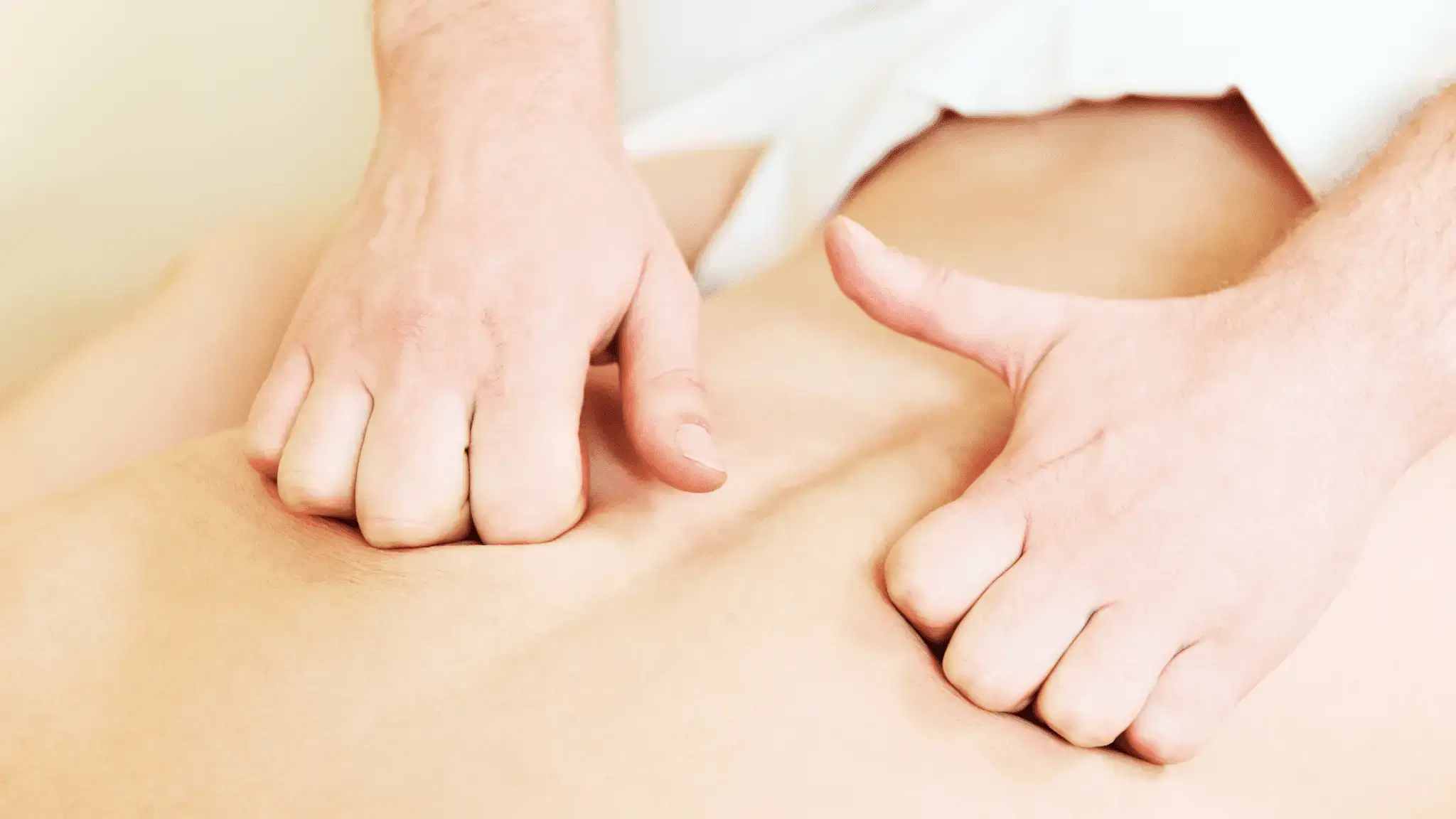
The term “tapotement” comes from the French word tapoter, meaning “to tap” or “to drum lightly”, in a form of percussive movements. This energising technique stimulates muscles and invigorates circulation. Often associated with sports and recovery massage, introducing tapotement to a massage approach invites a more dynamic contrast to slower relaxation techniques, while helping awaken tired or tense areas of the body.
Vibration: Soothing Deeper Muscle Layers
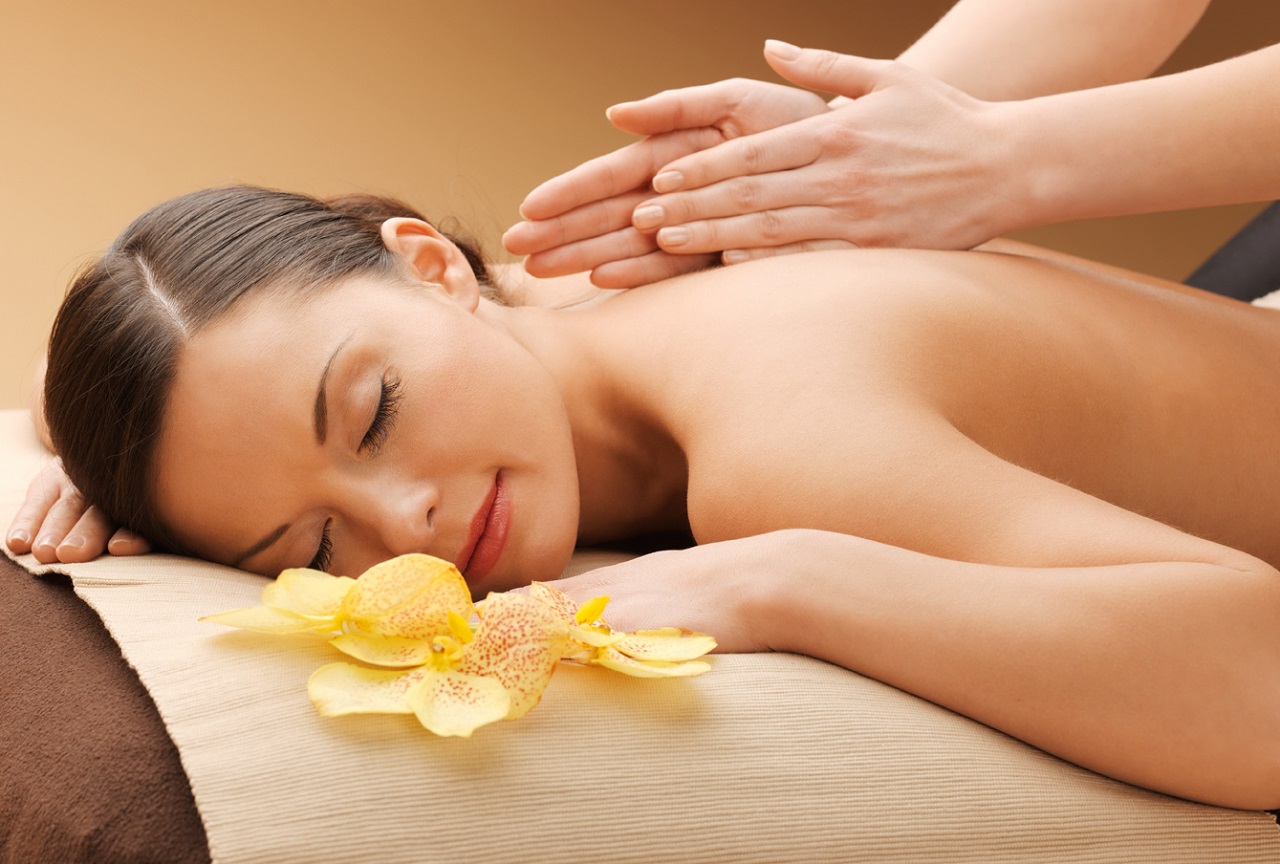
Vibration refers to the rapid trembling or oscillating movements used to stimulate the body’s deeper tissues. It involves controlled shaking or fine pulsating motions designed to relax muscles, ease tension, and encourage a soothing sensory response. Creating vibration techniques can be fairly difficult to sustain consistently by hand, particularly when targeting larger muscle groups or delivering prolonged full-body relaxation. This is where massage devices play an integral role.
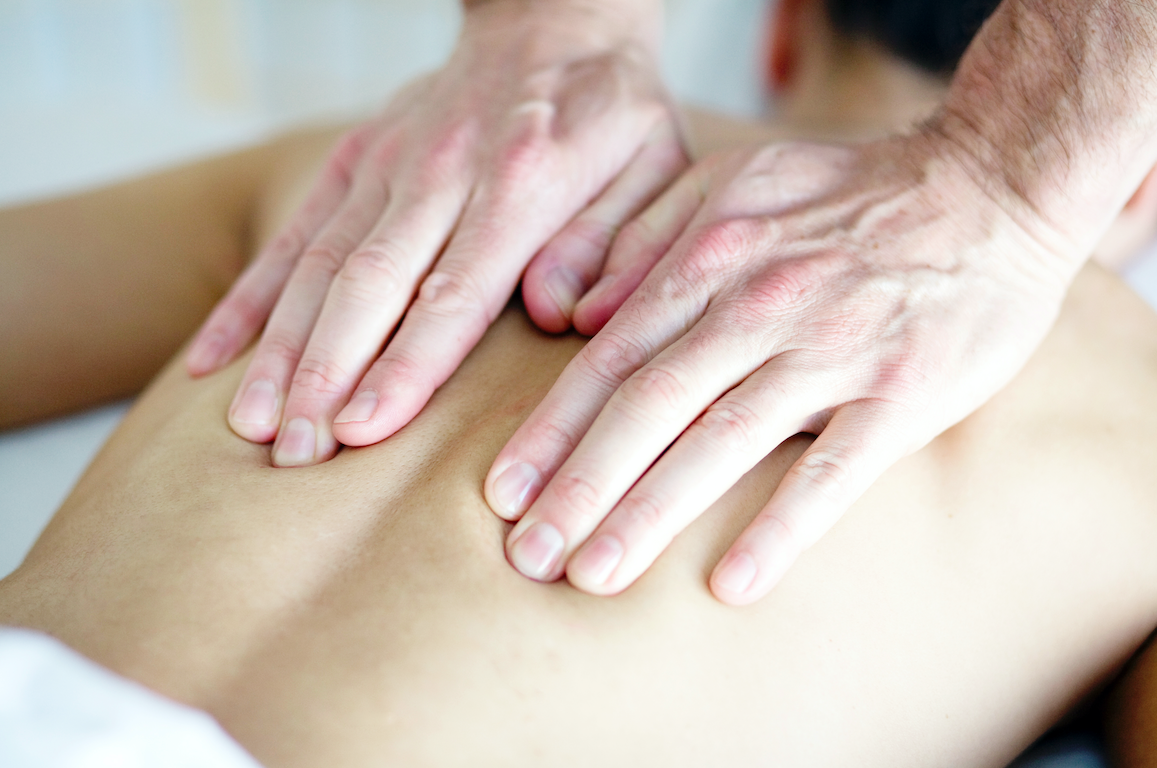
Which Massage Style Should You Use?
There is no single “best” massage style, as each technique serves a different purpose depending on the body’s needs and the desired outcome.
Your Need | Recommended Technique | Expected Effect |
Relaxation and stress relief | Effleurage, Petrissage | Calms the nervous system, eases general tension |
Deep muscle tension or knots | Friction, Petrissage | Releases tightness, improves circulation |
Low energy or fatigue | Tapotement | Stimulates and re-energises tired muscles |
Deeper tissue relief at home | Vibration via massage device | Consistent, sustained deep tissue stimulation |
In practice, most effective massages combine several techniques to create a balanced experience that shifts fluidly between calm, recovery, and revitalisation. There are many benefits of regular massage therapy, including general wellness and luxuriation.
How to Give a Back Massage
A well-executed and curated back massage experience blends patience, rhythm, and the gradual layering of techniques to create a seamless experience of release and relaxation. A back massage is a great way to relieve tension in the upper and lower back, while the benefits of Swedish massage stem from its use of long strokes and kneading motions to promote relaxation and improve circulation.
Develop your signature approach by incorporating the following fundamentals, and explore our guide on how to give a back massage for more detailed techniques and guidance.
Step 1: Start by Preparing the Massage Recipient
Invite your recipient to lie face down, with their face resting between rolled-up towels or a similar face cradle to help keep the neck aligned with the spine. Be sure they have supportive cushioning under the ankles, lower back, or chest as needed for enhanced comfort and relaxation. Drape a towel over the lower hips, legs and feet to keep the recipient warm while exposing the main back area.
Tip: Preparation is as much a part of the experience; anticipate what would help you ease into a space and incorporate those elements.
Step 2: Begin with Warming Techniques
A good back massage doesn’t start with deep pressure; it begins with slow, flowing effleurage strokes. Start with “figure of eight” motion using flat palms around the shoulders and lower back to warm the muscles, and encourage relaxation. This sets the rhythm and helps the body ease into the experience.
Tip: While you are delivering massage movements, be sure to vary your stance, move your body and lean as needed, not just using your arms, to avoid personal injury.
Step 3: Work Gradually into Deeper Pressure
Once the muscles are warmed, techniques like petrissage and gentle friction can be introduced to address areas of tension along the shoulders, lower back, and spine-adjacent muscles. Stay aware and attuned to the recipient's responsiveness by assessing their comfort through subtle cues rather than constant interruption.
Tip: Avoid pressing on bony structures, but rather focus on feeling and following along muscles, sensing for tightened muscle mass.
Step 4: Focus on Common Tension Zones
Many individuals may hold stress in areas that tend to hold daily strain, such as the shoulder and neck junction (called the upper trapezius), mid-back, and lower lumbar area. Approach these areas gently, linger with the appropriate applied technique and duration as needed.
Step 5: Maintain Rhythm and Flow
A good back massage is not a series of isolated techniques, but rather a continuous flow. Transitioning smoothly between strokes is essential to creating that luxurious, entrancing sensation.
Step 6: Conclude with Calming Closure
End with slower, lighter effleurage-style movements again to guide the body to a gentle culmination. Subtle touches and patterns with lightly present signals experience completion in a way that feels sumptuously sealed and restorative.
Tip: You can use verbal cues to gently signal that the massage has come to an end, then carefully drape a large towel over the recipient to keep them while they savour their massage experience.
Safety Rules You Should Never Skip
Even in a relaxing, indulgent setting, massage safety remains a priority so that the experience is beneficial rather than uncomfortable or counterproductive.
While elevating the quality of your massage, keep in mind the safety aspects with these essential massage tips:
- Communicate Clearly Before Beginning: Discuss pressure, comfort levels, and any pre-existing injuries or sensitivities.
- Avoid High-risk Areas: Never apply deep pressure directly on the spine, joints, or areas of acute pain or inflammation.
- Prioritise Proper Alignment and Support: Make sure the body is comfortably positioned to prevent strain or awkward tension.
- Maintain Hygiene and Consistency: Clean hands, fresh linens, and a steady, controlled massage application all contribute to a safe experience.
When these fundamentals are respected, massage becomes not only more effective but also notably restorative and refined.
Safety Note: According to the National Health Service (NHS) guidance on massage therapy safety, massage should be avoided in cases of acute injury, infection, surgical recovery or conditions such as blood clots. Professional assessment is recommended for underlying health concerns.
When You Want Results Without the Effort
Not every moment of relaxation warrants physical effort or technique. While traditional massage relies on skill, stamina, and time, there is a growing expectation for consistent, high-quality results without the learning curve or maintaining physical requirements.
For those who value precision and ease in equal measure, modern wellness solutions offer a way to achieve professional-level relief with minimal input. This is where advanced massage systems come into their own, delivering tailored full-body treatments on demand, whenever they’re needed. The result is a dependable, elevated experience that fits seamlessly into daily life, without compromise on quality or comfort.
Want a Great Massage Every Single Day?
If you are unsure about your massage abilities, still learning how to deliver a quality massage, and possibly looking for a more automated approach to massage, explore our massage chair range. These are designed to provide a full-body massage and come equipped with various settings and features, such as heat therapy and carefully calibrated massage techniques. Massage chairs are a great alternative for those who don't have the time or capacity to visit a professional massage therapist.
If you're interested in using a massage chair, it's essential to research and choose a high-quality product from a reputable manufacturer. Consider whether the product includes features such as adjustable intensity settings, multiple massage techniques, and heat therapy, as these can help improve the massage experience and provide the greatest benefits. For more information on finding the best massage chair model for your needs, get in touch with our team.
FAQs
How long should a full body massage last at home?
A full body massage at home typically lasts between 60 and 90 minutes, depending on the level of relaxation and muscle attention desired. While an hour is often enough for a balanced treatment, a longer 90-minute session allows for a more unhurried experience that thoroughly addresses the body from head to toe.
How often should you give someone a massage?
For general relaxation and well-being, a massage every 4 to 6 weeks is often enough to maintain comfort and reduce everyday tension. More frequent weekly sessions may be beneficial for those managing chronic muscle tightness, physically demanding or athletic routines, or high-stress lifestyles. The ideal frequency ultimately depends on individual wellness goals and recovery needs.
Is it normal to feel sore after receiving a massage?
Yes, it is completely normal to experience mild soreness after a massage, especially following deep tissue work or if the muscles are not used to regular treatment. This sensation can appear within 24 to 48 hours and often resembles post-exercise muscle response as the body adjusts.
Do you need a massage table, or can you use a bed?
A massage table is not essential for an at-home massage, and a bed can be used for more casual treatments. However, a firm, height-appropriate massage table is recommended to support better technique, comfort, and posture for the recipient and the acting masseuse. Softer bed surfaces can make it harder to apply consistent pressure and maintain proper body alignment.
Should you eat before giving or receiving a massage?
It’s best to avoid a heavy meal for at least 1 to 2 hours before a massage, as a full stomach can cause discomfort when lying down. A light snack is usually fine, but eating too much beforehand may lead to bloating or acid reflux when lying face down during the session.
Can you use baby oil or coconut oil instead of massage oil?
Yes, both coconut oil and baby oil can be used as alternatives to traditional massage oils, as they provide good glide and reduce friction during massage. Coconut oil is often preferred for its natural, skin-nourishing properties, while baby oil helps lock in moisture but may not suit all skin types, particularly those prone to skin congestion or breakouts.