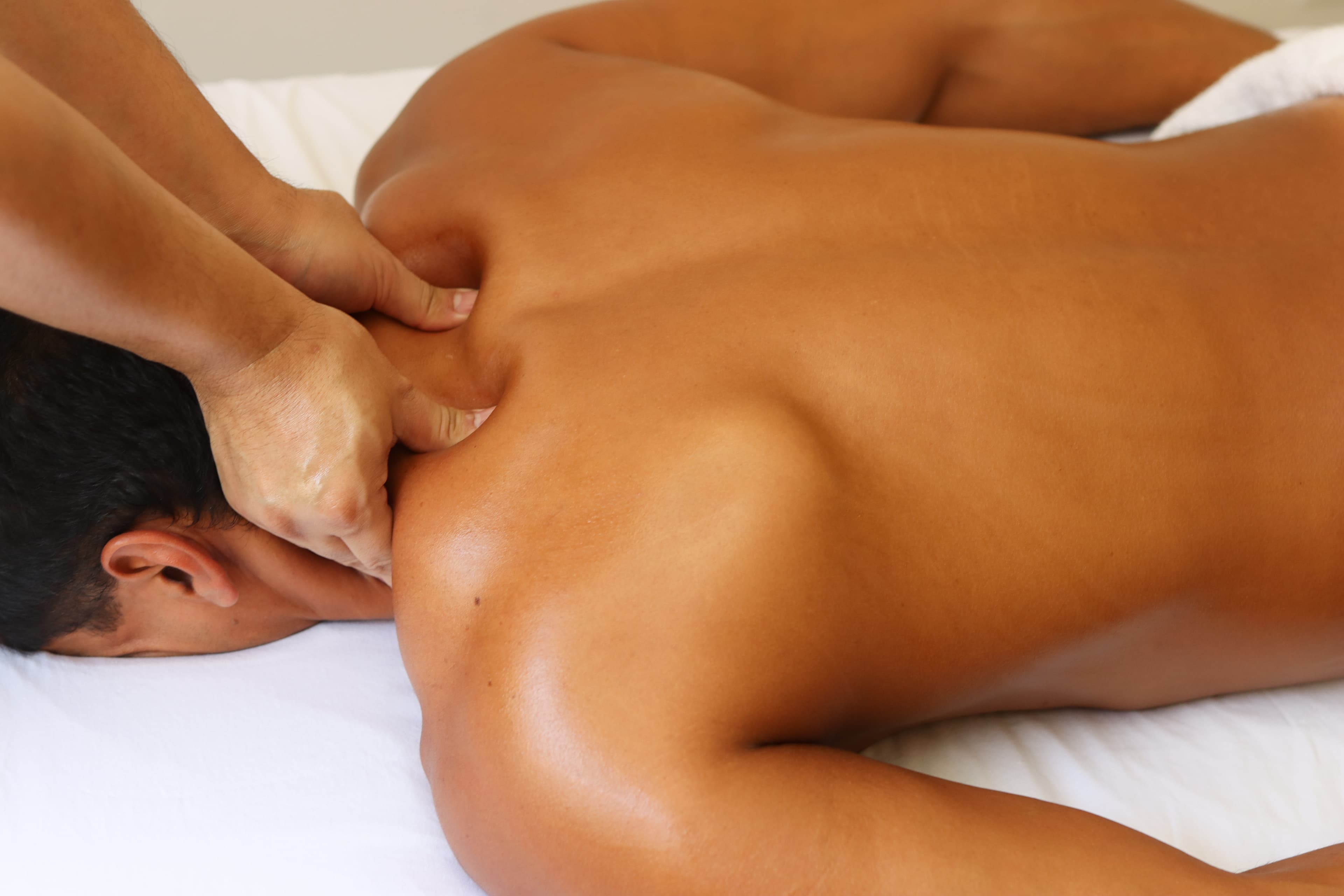
When the demands of daily life accumulate, the body often carries what the mind cannot. Tension slowly settles into the shoulders and back, leaving a lingering sense of fatigue that is difficult to shake. A thoughtfully delivered back massage offers more than physical relief. It creates a moment of pause, restoring ease to both body and mind.
With gentle, attentive touch, muscular tension can soften, circulation can be aided, and a deeper sense of calm can begin to unfold. You can elevate a simple gesture into a meaningful ritual of care by learning how to give a back massage, complemented by luxury massage chairs designed for lasting relaxation beyond the spa.
Why Back Massage Makes a Difference
Massage benefits for neck and shoulders include relieving muscle tension, reducing stress, improving circulation and promoting relaxation. By targeting the back's intricate muscles, a massage can enhance flexibility, alleviate pain, and contribute to overall well-being. Incorporating regular back massages into your and your recipient’s routine helps contribute towards a healthier, more relaxed lifestyle.
Here are the main reasons why back massages are good for general health:
- Muscle Tension Relief: Back massages effectively target and release tension in the muscles, promoting relaxation and reducing stiffness.
- Stress Reduction: The soothing touch of a back massage triggers the release of endorphins, the natural, "feel-good" neurochemicals, helping to lower stress levels and enhance overall mood.
- Improved Circulation: Massage stimulates blood flow, aiding in the distribution of oxygen and nutrients to the muscles and supporting better overall cardiovascular health.
- Pain Alleviation: Back massages can alleviate chronic pain*, such as lower back pain or muscle discomfort, by promoting healing and reducing inflammation.
- Enhanced Flexibility and Posture: Regular back massages contribute to improved flexibility and posture, as they target key muscle groups and release tightness, allowing for better movement and alignment.
*Medical Note: While massages can offer many benefits, the National Health Service (NHS) advises seeking medical guidance regarding easing symptoms of existing health issues.
Setting Up Your Massage Space
Before you begin the back massage, you need to prepare the area where the massage will take place. Choose a quiet room, free from distractions and noise, offering audible solitude. Gather the supplies you will need for the back massage. Prepare massage oil or lotion, a towel, and a comfortable surface for your massage recipient to lie on, such as a massage table, bed, or floor mat.
For a thoughtful touch, some good back massage tips include assessing whether the room’s temperature is comfortable and if there is enough space to manoeuvre around the recipient. You can also use soft lighting (perhaps introduce candles) and some calming music to help create a relaxing atmosphere.
Positioning Your Recipient Correctly
One of the most essential back massage tips when preparing your recipient for a massage is to position them comfortably on a supportive surface. This is ideally a massage table, but a firm bed or mat is a great alternative. Allow the body to fully release into a neutral, relaxed alignment and gently support their head, neck, and lower back area with cushions or folded towels to create a cradle.
The intention is to create a stable, quiet foundation where the body can soften effortlessly without strain or adjustment.
Basic Phases of a Massage
There are six basic, core massage phases to familiarise yourself with. These provide a thoughtful foundation of balance and flow for your session, before moving on to mastering well-known massage techniques.
- Warm up the muscles with a warm towel or heating pad
- Apply and warm massage oil or lotion before touching the back
- Begin with long strokes from the shoulders down to the lower back
- Apply targeted pressure to any knots using fingers or knuckles
- Spend extra time on the lower back, then work up to the shoulders
- Finish with a gentle palm touch to promote final relaxation
Step 1: Warm-Up
Before beginning the back massage, it is essential to warm up the muscles. Have your massage recipient lie on their stomach if they are able and place a warm towel over their back for a few minutes to help relax the muscles. You can also use a heating pad or hot water bottle for added warmth.
Step 2: Apply Massage Oil or Lotion
Dispense massage oil or lotion to your hands, gently warming and rubbing it between your palms before beginning. Next, place them on your recipient's back, starting at the shoulders and working your way down to the lower back. Make sure to use enough oil or lotion to prevent friction to achieve a smoother, more soothing experience.
Step 3: Begin the Back Massage
Start the massage at the top of your recipient's back, using your palms to apply gentle pressure. Use long strokes, associated with Californian massages, moving your hands down towards the lower back.
Step 4: Apply Pressure to Knots
If you encounter knots or tension in the muscles, use your fingers or knuckles to apply pressure to the area, known as Japanese massage. Use circular motions to help release the tension.
Step 5: Focus on the Lower Back, Then Move to the Shoulders
The lower back is an area that often holds a lot of tension. Spend extra time massaging this area. After massaging the lower back, move up to the shoulders, using circular motions.
Step 6: Finish with a Gentle Touch
After finishing the back massage, use your palms to apply a gentle touch to your massage recipient's back. This can help to promote relaxation and reduce tension.
With these core steps in mind, you can now delve into specific massage techniques and their differences to create a sensuous, rejuvenating massage experience.
Back Massage Techniques Step by Step
A signature massage experience incorporates specialised techniques of back massage, ranging from gentle motions to more intentional pressure-based manoeuvres. Explore each one, work within your comfort level and ability, and maintain open communication with your recipient for a personalised experience.
Technique | Best For | Pressure Level | When to Use |
Effleurage | Warming up muscles, distributing oil | Light | Opening the session |
Compression | Releasing general muscular tension | Light to Medium | Mid-session on larger muscle groups |
Petrissage | Kneading out built-up knots | Medium | Mid-session on shoulders and upper back |
Tapotement | Stimulating and re-energising the body | Light | Near the end of the session |
Trigger Point Work | Targeting concentrated areas of tension | Light to Medium | Mid to late session on specific tight spots |
Effleurage: Long Warming Strokes
Effleurage begins the massage with slow, flowing strokes designed to warm the muscles and ease the body into relaxation.
- How to Apply: Using the palms of your hands, glide smoothly along the length of the back, along muscles with light to moderate pressure, maintaining an even, unhurried rhythm throughout. Then, sweep outward from the muscles beside the spine toward the sides of the torso, allowing the fan stroke to feel slow, fluid, and expansive.
- Why it Works: This fundamental phase encourages circulation, distributing massage oil evenly, and establishes a calming sense of continuity before deep massage manoeuvres follow.
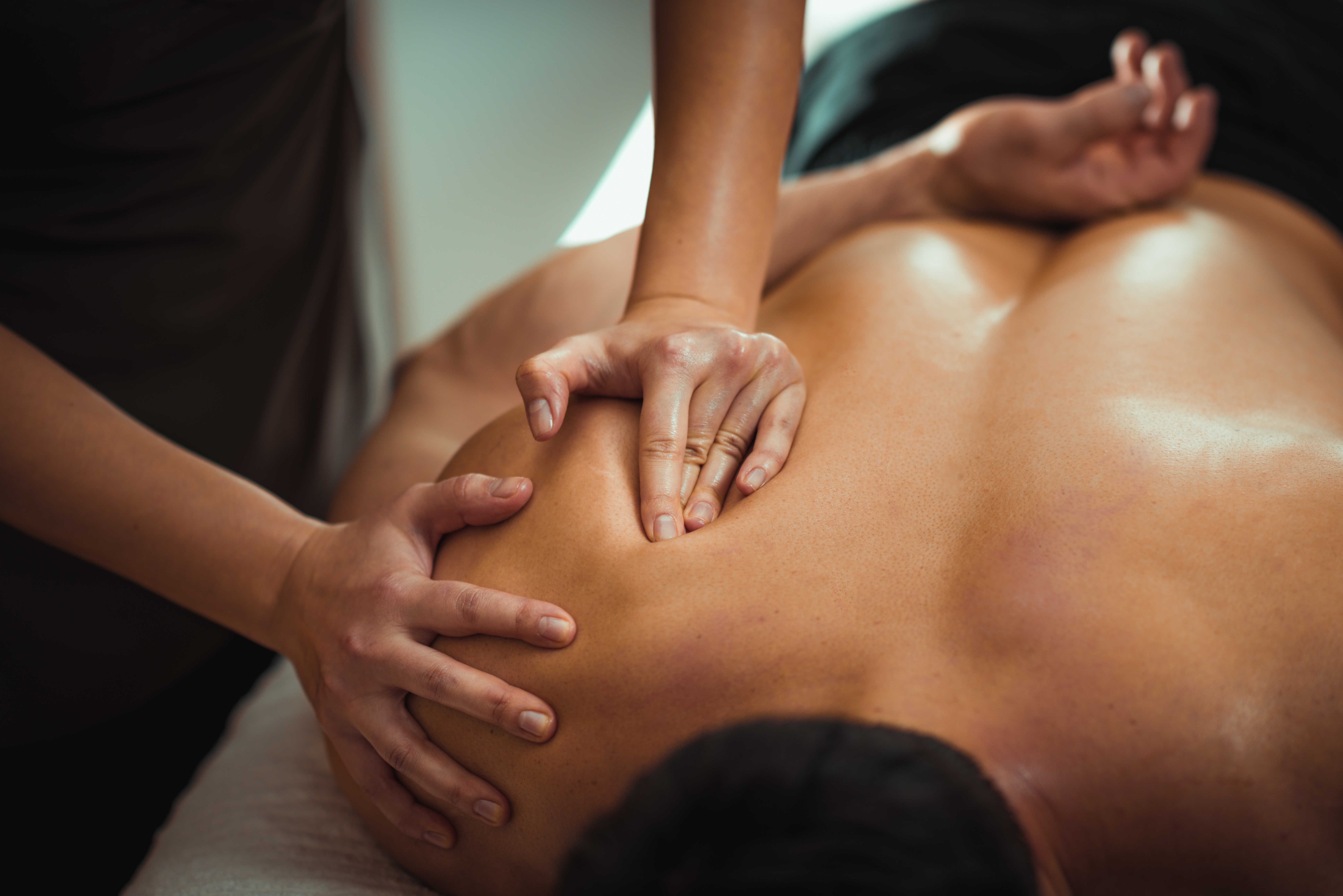
Compression: Steady Calming Pressure
Compression uses steady, controlled pressure to help release muscular tension while promoting a grounded sense of relaxation.
- How to Apply: Using the palms or heels of the hands, gently lean into larger muscle areas of the back, applying sustained pressure to persistent areas before slowly releasing. Think concentrated application of attention, rather than forceful pressure.
- Why it Works: It softens the body while encouraging a deeper sense of physical ease when applied with care and consistency.
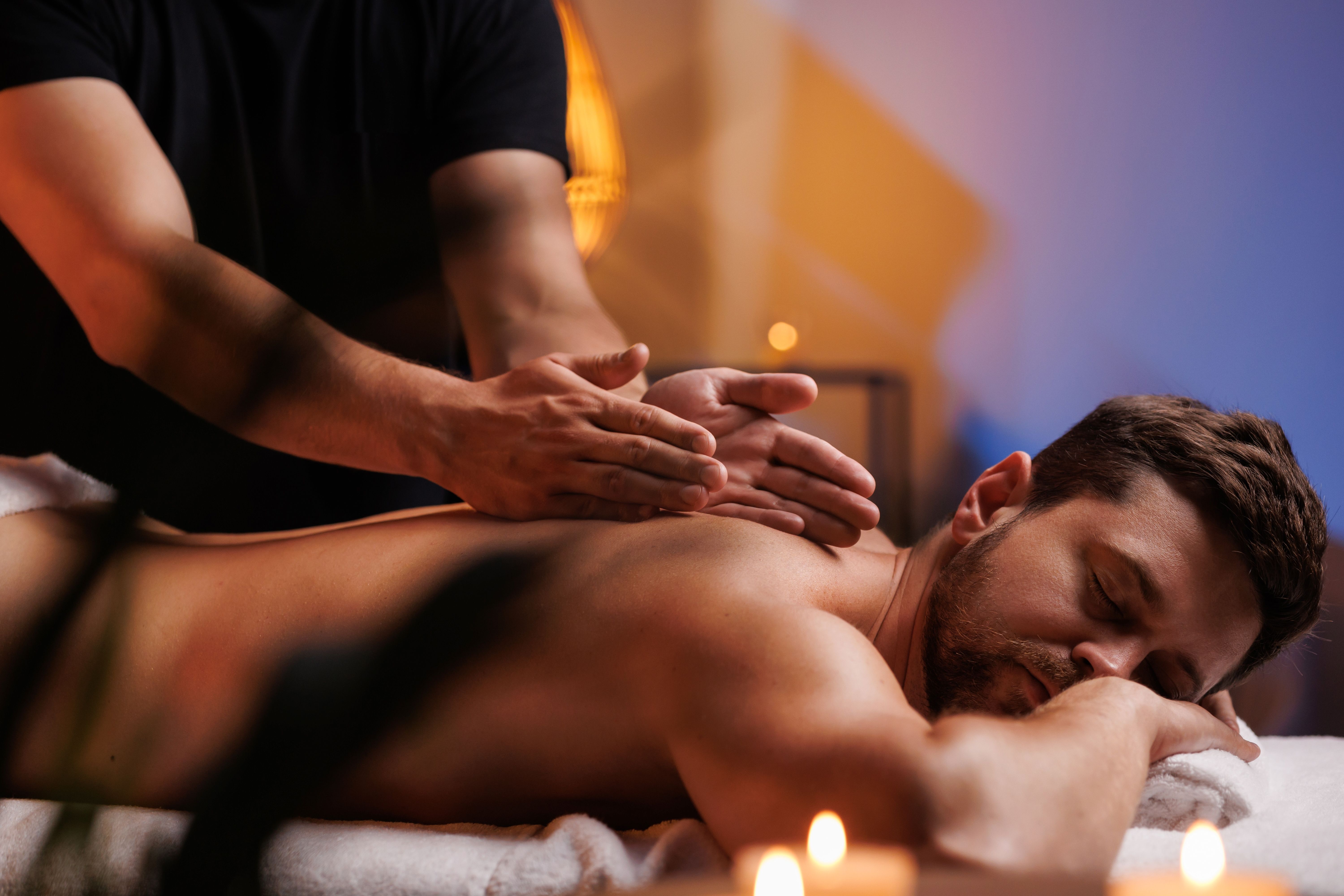
Petrissage: Kneading Out the Knots
Petrissage focuses on deeper kneading movements that gently lift and work through areas of built-up tension within the muscles.
- How to Apply: Using the thumbs, fingertips, or palms, apply slow, rhythmic motions across the shoulders and broader back muscles, taking care to avoid excessive pressure. As this technique stems from the French verb pétrir, meaning “to knead,” incorporate this by gently grasping and releasing muscles.
- Why it Works: This technique also promotes circulation, while easing muscular tightness and creating a greater sense of release throughout the body.
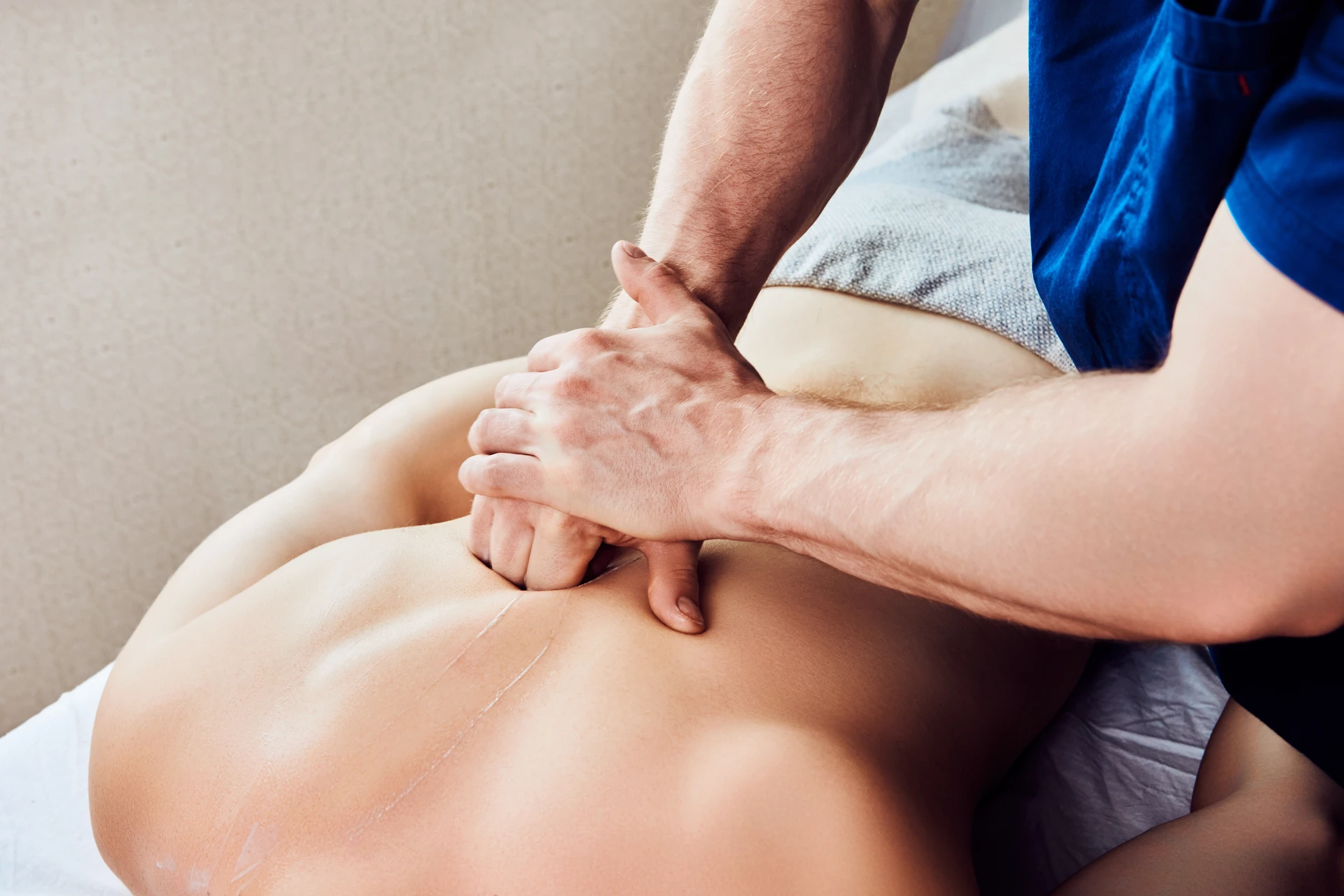
Tapotement: Rhythmic Percussion Technique
Tapotement introduces light, rhythmic tapping movements that help stimulate the muscles and reawaken the body toward the end of a massage.
- How to Apply: Using relaxed, cupped hands or gentle fingertip motions, apply soft percussive movements evenly across the back, from bottom to the crest of the shoulders, without striking too firmly.
- Why it Works: It can leave the body feeling refreshed, energised, and lightly invigorated when used sparingly and with control, near the end of the massage session.
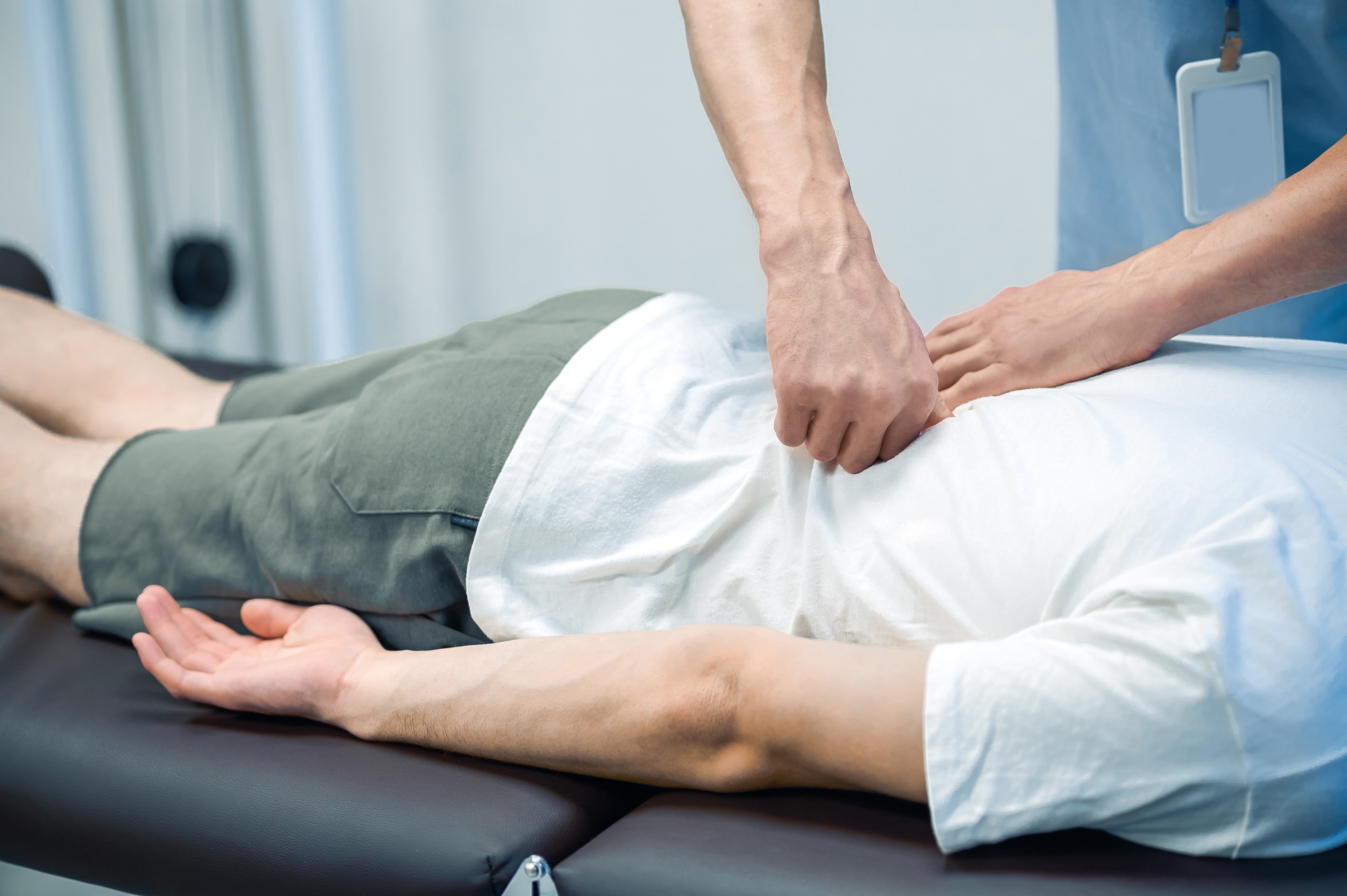
Trigger Point Work: Releasing Tension
Trigger point work focuses on areas of concentrated muscular tension that may feel especially tight or sensitive to pressure.
- How to Apply: Using the thumbs or knuckles, apply gentle, sustained pressure to tense muscle points, between 30 and 90 seconds, before slowly releasing. Always work within the recipient’s comfort level, assessing for discomfort or any need to adjust pressure.
- Why it Works: Performed with patience and care, this technique assists muscular release while easing lingering areas of discomfort.
Tips for a Better Massage
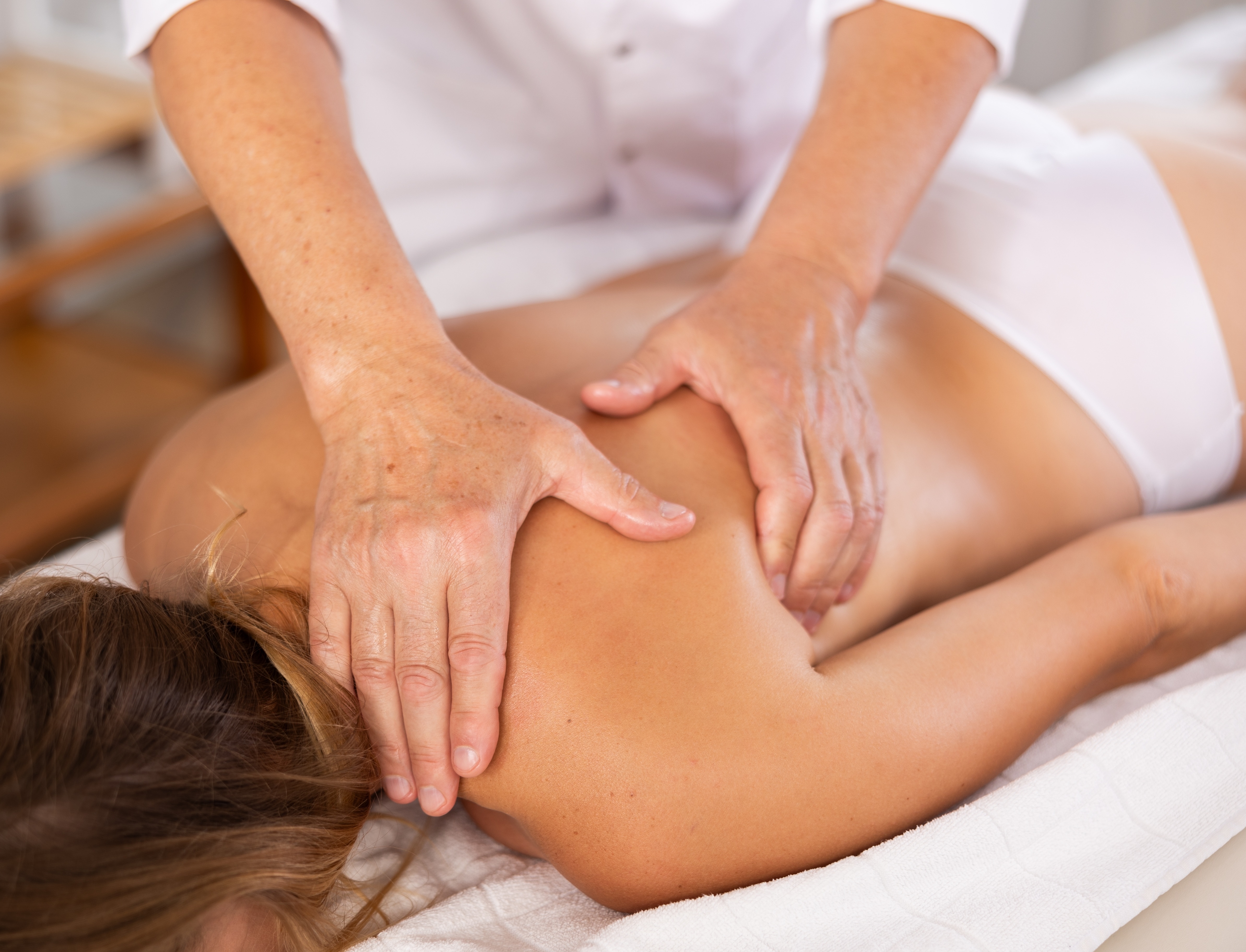
A thoughtful massage experience extends beyond technique and attentiveness alone, with atmosphere, pacing, and bespoke experience curation all contributing to a deeper sense of relaxation.
For an elevated, refined experience, apply these tips for good back massage:
- Guide the Body Throughout the Experience: Maintaining consistent pressure, encouraging clear communication, and creating a calm, comfortable environment.
- Small, Signature Details: Warmed massage oil, soft, dimmed lighting, and unhurried movements often make the greatest difference in elevating a simple massage into a restorative ritual.
- Music as a Personal Touch: Consider finding or creating a specialised, gentle playlist or light instrumental background music, depending on the recipient’s preferences.
- Prepare Yourself as the Masseuse: Among the most overlooked back massage tips techniques is the preparation of the masseuse themselves. Soft, well-groomed hands, neatly maintained nails, minimal jewelry, and a subtle or fragrance-free scent all contribute to a more refined and comfortable experience for the recipient.
When to Avoid Back Massage
Back massage is not suitable in all circumstances. Always assess first the potential massage recipient’s eligibility for a session
Avoid back massage if the recipient has any of the following:
- Recent injury or unexplained pain in the back area
- Fever, active inflammation, or infection
- Acute skin conditions such as eczema, open sores, or burns affecting the back
- A history of blood clots, without prior medical clearance
- Active cancer or undergoing certain medical treatments, unless cleared by a GP
When in doubt, it is always advisable to seek professional medical guidance before proceeding.
Massage for Pregnant Mothers
Pregnant mothers may receive back massages to help relieve muscle tension, aches, and pain. However, it is best to wait to treat pregnant mothers until the second trimester due to a higher risk of miscarriage or morning sickness in the first 12 weeks. Potential massage recipients should discuss with an OB-GYN or midwife first, especially those experiencing high-risk condition symptoms, such as preeclampsia or preterm labour concerns.
To create the safest and most enjoyable experience, specialists state that the ideal position for a pregnant mother is to lie on her side with pillows for support.
Alternatively, they may sit upright or in a semi-reclining position, such as in a massage chair for a short session of 20 minutes on a low setting. Explore our massage chair range for the ideal choice for a safer, upright seated massage experience for mums-to-be.
Note: According to the National Health Service (NHS), it is recommended to avoid lying on the stomach, especially after the first trimester.
Ready to Upgrade Your Home Massage?
Explore a more consistent and effortless approach to relaxation with advanced wellness solutions designed to bring spa-level comfort into your everyday routine. Discover our range of home massage chairs for daily relief, created to support deep, restorative relaxation within the comfort of your own space.
For personalised guidance or product recommendations, feel free to get in touch with our team to find the right solution for your lifestyle and wellness needs.
FAQs
How long should a back massage last?
A back massage can last between 30 and 60 minutes, depending on the level of focus and relaxation desired. Shorter 30-minute sessions are well-suited to targeting specific areas of tension, while longer treatments allow for a more complete and restorative experience. For a deeper, full-body approach that includes the back, neck, and shoulders, sessions may extend to around 90 minutes.
Is it normal to feel tired or drowsy after a back massage?
Yes, it is normal to feel tired, drowsy, or deeply relaxed after a back massage. This response often occurs as the body releases built-up tension and the nervous system shifts into a calmer, restorative state. It is a natural part of the relaxation process and usually indicates that the body is in a repair mode, sometimes referred to as a “massage hangover”.
Should you drink water after a back massage?
Yes, it is recommended to drink water after a back massage to help rehydrate the body and aid the natural recovery process. Hydration assists the body in processing and clearing metabolic waste, such as lactic acid, released from relaxed muscle tissue. Sipping 8–16 ounces of water within an hour post-massage session can help reduce soreness, headaches and support the lymphatic system.
How often should you get a back massage for ongoing tension?
For ongoing back tension, massage is often most effective when scheduled every 1 to 2 weeks to help manage persistent tightness and stress-related discomfort. As tension becomes more manageable, sessions can gradually shift to a maintenance routine every few weeks. The ideal frequency will ultimately depend on individual lifestyle, activity levels, and the severity of muscular strain.
Can you give a back massage on a bed rather than a massage table?
Yes, a back massage can be comfortably performed on a bed, especially if recreating a massage environment at home. Supportive pillows and positioning the recipient closer to the edge of the bed can help improve accessibility. For deeper pressure techniques without a massage table, consider using a mattress topper or a thick yoga mat placed on the floor.
How do you avoid hand and wrist fatigue when giving a long massage?
To avoid hand and wrist fatigue during a longer massage, alternate between body weight and hand strength, rather than relying solely on repetitive pressure. Maintaining relaxed wrists, proper posture, and alternating between palms, forearms, fingertips and introducing massage tools or devices can also reduce strain over time. Supportive positioning and regular hand care may further help improve comfort and endurance during extended sessions.